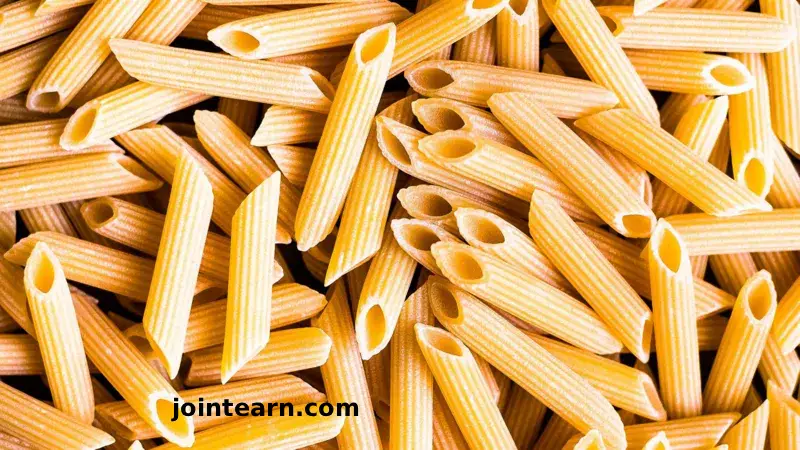
The United States has drastically reduced proposed tariffs on Italian pasta imports, sparing American consumers from potentially significant price hikes. The move follows threats from the Trump administration last year to impose tariffs of nearly 92% on 13 Italian pasta producers, a level that would have exceeded the value of the pasta itself for US importers.
The Italian foreign ministry confirmed the reduction on Thursday, describing the move as an acknowledgment of the “constructive co-operation shown by Italian companies.”
Background: Proposed Tariffs and Trade Concerns
Earlier, the US Commerce Department alleged that 13 Italian pasta makers were selling their products at “less than normal value”, a practice often referred to as dumping, which could undermine US pasta producers. The department initially proposed tariffs of 91.74%, combined with an existing 15% EU-wide tariff, which could have pushed the effective rate to over 100% of the product’s value.
Economists warned that such measures would have sharply increased prices for American consumers, although the pasta from the 13 firms represented a relatively small portion of all Italian pasta imports to the US.
The tariff threat also created a political challenge for Italian Prime Minister Giorgia Meloni, who maintains a close working relationship with President Trump among European leaders.
Reduced Tariff Rates
After discussions between the US and Italian authorities, the tariff rates were significantly cut:
- La Molisana, a major Italian brand, saw its proposed tariff reduced to just 2.26%.
- Other producers will face rates ranging up to 13.98%.
A US Commerce Department spokesperson confirmed that Italian pasta makers had addressed many concerns raised during the preliminary determination. The department added that it will continue to engage with stakeholders before issuing a final determination.
Context: Trump Administration Trade Policies
Since returning to office, President Trump has aggressively used tariffs as a tool to protect US industries and boost domestic manufacturing. While intended to combat what the administration views as unfair trade practices, these measures have often been criticized by economists for raising costs for consumers.
The pasta tariff adjustment is part of a broader trend of softened trade measures:
- A planned increase in tariffs on furniture imports was postponed for 12 months, just before New Year’s Day.
- In November, tariffs on key food products, including coffee, bananas, and beef, were suspended, reducing pressure on US consumers.
Impact on US Consumers and Italian Companies
The reduced tariffs are a relief for American consumers, who could have faced drastic price increases on imported Italian pasta. For the affected Italian companies, the adjustments preserve access to the lucrative US market, while demonstrating the benefits of compliance and cooperation with US trade authorities.
The episode highlights ongoing trade tensions and negotiations between the US and European Union, showing that diplomatic engagement and constructive responses from exporters can influence policy outcomes.
Conclusion
The US decision to slash proposed tariffs on Italian pasta underscores the balance between protecting domestic industries and maintaining affordable food prices for consumers. It also reflects the importance of cooperation between trading nations, ensuring that measures like tariffs do not disproportionately harm international trade partners or disrupt consumer markets.
For US consumers and Italian exporters alike, the move provides certainty and stability, allowing continued access to high-quality Italian pasta without the threat of extreme taxation.


Leave a Reply