Saudi Arabia has officially welcomed a request from Yemen’s Saudi-backed Presidential Leadership Council (PLC) to host a high-level forum in Riyadh aimed at resolving escalating violence in southern Yemen. The move comes amid a surge in armed conflict between rival factions, raising concerns about regional stability and the security of Gulf nations.
In an official statement issued on Saturday, the Saudi Ministry of Foreign Affairs urged all southern factions to participate in the Riyadh forum, emphasizing the goal of “formulating a comprehensive vision for fair solutions to the southern cause.” The forum is expected to serve as a platform for dialogue between Yemen’s diverse groups, with the aim of fostering peace and preventing further bloodshed.
Yemen’s Southern Crisis: PLC’s Call for Unity
Earlier the same day, PLC Chairman Rashad al-Alimi extended a direct invitation to all factions and political figures in southern Yemen to convene in Riyadh. According to Yemen’s state-run Saba News Agency, al-Alimi stressed the “justness and centrality of the southern cause” while rejecting “unilateral or exclusionary solutions” as a means to resolve the ongoing conflict.
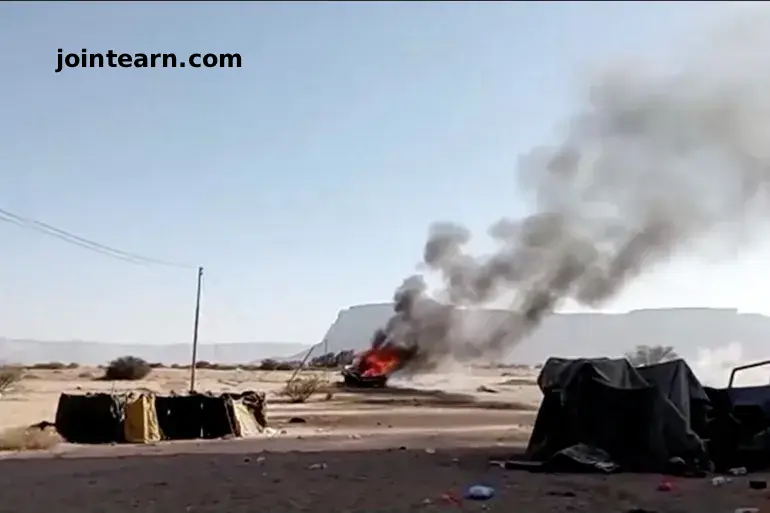
The southern conflict has intensified over recent weeks following a major offensive by the Southern Transitional Council (STC) in Hadramout and al-Mahra provinces. These regions collectively account for nearly half of Yemen’s territory, making them strategically significant. The offensive has resulted in rising casualties and displacement, further destabilizing a country already scarred by years of civil war.
Strategic Importance of Hadramout
Hadramout province, an oil-producing region bordering Saudi Arabia, holds both economic and historical significance. Many prominent Saudis trace their lineage to Hadramout, and its capture by the STC last month was perceived by Riyadh as a direct threat to national security. The STC, although part of the anti-Houthi coalition, has been accused of harboring ambitions to establish an independent state in southern Yemen. This has put it at odds with the internationally recognized Yemeni government led by the PLC.
Saudi authorities have publicly expressed concern over the STC’s actions and have alleged that their coalition partner, the United Arab Emirates (UAE), has armed the separatist group. The UAE has denied these allegations, insisting on its commitment to Saudi Arabia’s security. Nevertheless, the escalation has strained relations between the GCC allies and raised fears of further fragmentation in Yemen.
UAE Responds to Southern Tensions
On Saturday, the UAE issued a statement expressing “deep concern” over the escalating conflict and urged Yemeni factions to exercise restraint to ensure national security and stability. In a notable development, the UAE also announced the withdrawal of all its armed forces personnel from Yemen. The Emirati Ministry of Defence clarified that this move aligns with its plan to conclude the remaining missions of counter-terrorism units and was conducted in coordination with relevant partners to ensure the safety of all personnel.
STC’s Independence Referendum and Regional Implications
Despite calls for dialogue, the STC unilaterally declared plans to hold a referendum on independence from northern Yemen within two years. Former Yemeni diplomat Ali Ahmed al-Amrani dismissed the idea of secession as unrealistic, emphasizing that it “does not reflect a national consensus.”
Political analysts warn that the southern conflict could mark a dangerous new phase in Yemen’s ongoing civil war. Hisham Al-Omeisy, a political and conflict analyst with the European Institute of Peace, described the situation as “a proxy war within a proxy war,” where rival factions are aggressively attempting to redraw territorial control. He warned that the consequences of the fighting could extend far beyond Yemen’s borders, threatening the security of neighboring Gulf states.
Saudi-Led Coalition and Historical Context
The Saudi-backed coalition, formed in 2015, initially aimed to oust the Iran-backed Houthi rebels from northern Yemen. However, after a decade of brutal conflict, the Houthis remain entrenched, while the southern coalition partners have increasingly turned against each other. Recent Saudi-led airstrikes, reportedly targeting STC positions, resulted in at least 20 casualties, reflecting the volatile and deadly nature of the current clashes.
Saudi Arabia’s invitation to the Riyadh forum represents a crucial diplomatic step toward resolving internal Yemeni disputes, restoring stability in southern regions, and preventing further fragmentation of the country. As tensions persist, the success of the forum may significantly influence the broader dynamics of peace and security in the Middle East.


Leave a Reply