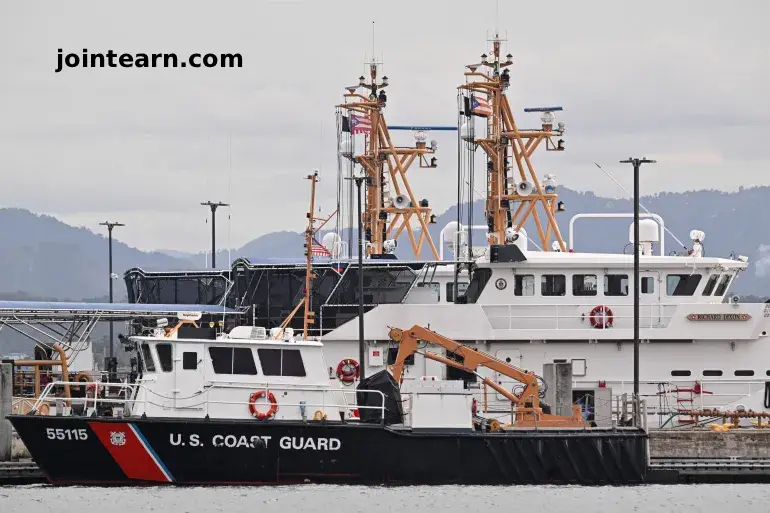
The United States Coast Guard has officially suspended its search for survivors following a series of US military strikes on suspected drug smuggling boats in the eastern Pacific. The three-day search, conducted approximately 400 nautical miles southwest of the Mexico-Guatemala border, lasted more than 65 hours without any confirmed sightings of survivors.
The strikes occurred amid the Trump administration’s ongoing campaign against alleged narcoterrorist networks operating in waters surrounding Venezuela, raising international scrutiny over the legality and humanitarian implications of these operations.
Details of the Military Strikes
The US Southern Command reported that its forces targeted three boats traveling in a convoy in the eastern Pacific. On one boat, three people were killed, while passengers on the remaining boats jumped overboard before their vessels were subsequently destroyed. A follow-up strike on another vessel reportedly resulted in two additional deaths.
The US military claimed the vessels were involved in drug trafficking, but provided no public evidence to substantiate the allegations. The Coast Guard dispatched search plans from California and coordinated with ships in the area to locate possible survivors, though the search concluded without success.
Harsh Weather Conditions Hampered the Search
Media reports noted that the search took place under challenging conditions, including nine-foot seas and 40-knot winds, which significantly complicated rescue and recovery efforts. Despite these obstacles, authorities emphasized the effort was conducted in accordance with standard operational procedures, though no survivors were located.
Rising Controversy Over US Strikes
Human rights organizations and international law experts have criticized the strikes, arguing they constitute extrajudicial killings, taking place without due process or legal authority. Some analysts note that certain follow-up strikes may have violated international laws of armed conflict, particularly when survivors were reportedly targeted after abandoning their vessels.
In previous incidents, survivors from US strikes were rescued, including two individuals from a submersible vessel in the Caribbean Sea who were later returned to their home countries, Ecuador and Colombia. Another survivor in late October prompted the Mexican Navy to suspend its search after four days. These cases highlight the growing humanitarian and legal concerns surrounding US operations in the region.
Venezuela Context and Escalating Tensions
The strikes are part of a broader US strategy against Venezuela, which has included sanctions, naval blockades, and targeted attacks on alleged drug trafficking infrastructure. Venezuelan President Nicolas Maduro has repeatedly condemned US operations as an effort to overthrow his government and seize control of the country’s oil and mineral resources.
Despite escalating tensions, Maduro recently signaled willingness to negotiate with the United States to combat drug trafficking, even as his government maintains that US military actions in Venezuelan waters constitute illegal aggression.
Humanitarian Implications
The US military strikes and suspension of searches raise serious concerns for international law and the safety of civilians in the region. Observers warn that ongoing operations in international waters may endanger lives, exacerbate regional instability, and heighten diplomatic tensions between the US, Venezuela, and neighboring Latin American countries.


Leave a Reply