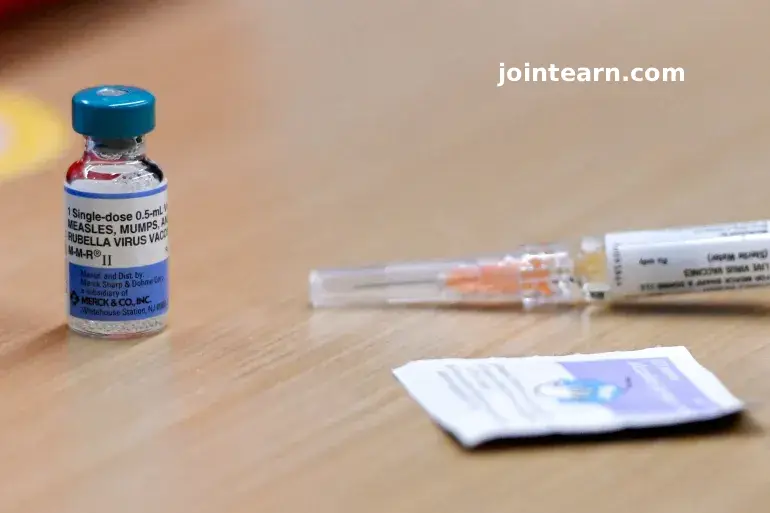
Health officials in South Carolina have confirmed that the state’s measles outbreak has grown to 185 cases, an increase of nine from earlier this week. The surge comes amid growing concerns over vaccine hesitancy in the United States, as public health experts warn that declining MMR (measles, mumps, rubella) vaccination rates are fueling the spread of the highly contagious virus.
According to the South Carolina Department of Public Health, 172 of the reported cases involve unvaccinated individuals, while four patients were partially vaccinated, four had an unknown vaccination status, and one case involved a fully vaccinated person. Another four cases remain under investigation.
Background: Measles in the United States
Measles, a virus once declared eliminated in the U.S. in 2000, is highly infectious and can lead to severe complications, especially in children. While death rates are low, the CDC estimates that a single infected person can transmit the virus to nine out of ten people who are not immune. Complications may include high fever, hearing or vision loss, and encephalitis.
The elimination of measles in the U.S. was largely credited to the success of the MMR vaccine, which was first introduced in 1963, with the combined MMR shot available in 1971. Full vaccination typically requires two doses, with the first administered before 15 months of age and the second by six years old.
Rising Vaccine Hesitancy
Public health officials say that vaccine hesitancy has played a key role in the resurgence of measles in the U.S., a trend that worsened during policies implemented under the Trump administration. CDC data show that the MMR vaccination rate among U.S. kindergarteners fell from 95.2% in 2019-2020 to 92.7% in 2023-2024, representing roughly 280,000 fewer children vaccinated.
In 2025, the U.S. reported 2,065 measles cases, the highest annual total in over 30 years, and more than seven times the number in 2024, when only 285 cases were reported. One of the largest outbreaks occurred in Texas, where three people died—the first measles deaths in the U.S. since 2015.
Controversial Messaging on Vaccines
Amid the 2025 outbreak, former Health and Human Services Secretary Robert F. Kennedy Jr. encouraged vaccination on social media but has also promoted false claims about the MMR vaccine, including debunked connections to autism and misleading statements about fetal tissue. Medical experts continue to emphasize that the MMR vaccine is safe and effective, and that misinformation is contributing to preventable outbreaks.
Local Impact in South Carolina
The current outbreak in South Carolina is concentrated in the northwestern region of the state, with most cases occurring in children under 17 years old. Public health officials continue to urge parents to ensure their children are fully vaccinated to prevent further spread.
Democratic candidates in the state’s 2026 midterm elections have also made combating the outbreak a campaign issue. Pediatrician Annie Andrews, running against incumbent Senator Lindsey Graham, has highlighted vaccination and public health preparedness as central to her platform. She wrote on social media:
“If you told me back in medical school that someday I would be running for the Senate and my campaign slogan would be ‘It’s me or the measles’ I would definitely not have believed you.”
Importance of Vaccination
Experts stress that measles remains preventable, and achieving high vaccination coverage is critical to protecting communities, especially children. The MMR vaccine is widely accepted as safe, and public health authorities warn that continued vaccine skepticism could result in larger outbreaks, placing vulnerable populations at risk.


Leave a Reply