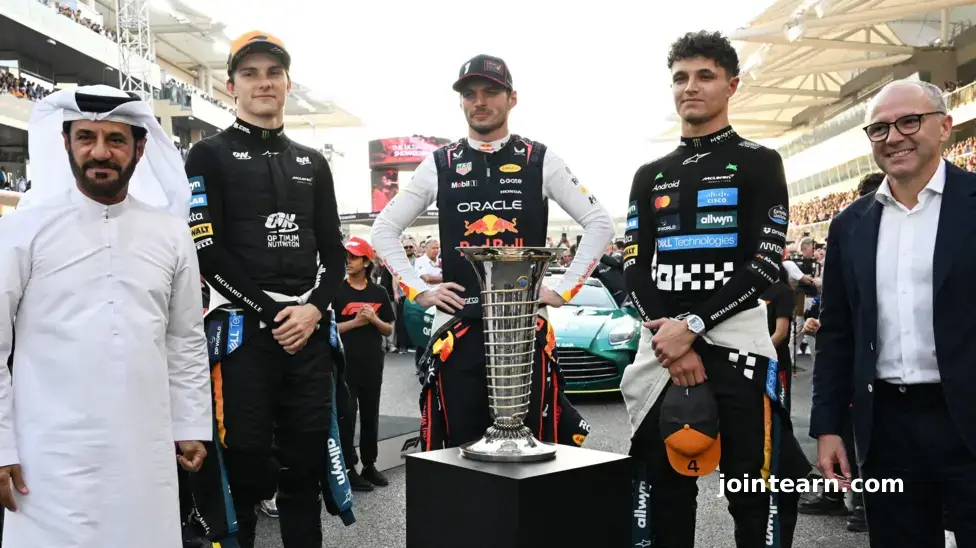
Formula 1 has finalised a new Concorde Agreement, the legal contract that governs the relationship between the sport’s key stakeholders — the FIA, commercial rights holder F1, and the 11 F1 teams.
The current agreement, which was due to expire at the end of 2025, is now replaced with a new deal running from 2026 through 2030, coinciding with the introduction of F1’s latest technical and sporting regulations.
What the New Concorde Agreement Covers
The Concorde Agreement outlines the regulatory framework, governance structures, and financial arrangements for Formula 1. While the exact terms are confidential, a statement from the FIA highlighted that the deal will:
- Provide enhanced funding for race regulation and race direction
- Support stewarding and technical expertise across all F1 races
- Enable the FIA to continue modernising operational and technological capabilities
FIA president Mohammed Ben Sulayem, recently re-elected unopposed for a second four-year term, emphasized the importance of the deal for F1’s future:
“This agreement allows us to continue modernising our regulatory, technological, and operational capabilities, including supporting our race directors, officials, and the thousands of volunteers whose expertise underpin every race. We are ensuring F1 remains at the forefront of technological innovation, setting new standards in global sport.”
F1 president Stefano Domenicali added:
“This agreement ensures F1 is in the best possible position to continue to grow around the world.”
Financial Context
The FIA relies heavily on income from F1. Under the previous Concorde Agreement, the governing body received approximately $40 million (£30m) annually. The new deal reportedly includes a revised financial framework, enabling further investment into the sport’s regulatory and operational areas.
Concorde Agreement History
The Concorde Agreement gets its name from the Place de la Concorde in Paris, where the first deal was signed in 1981 after disputes between F1 teams and the FIA, then led by Bernie Ecclestone. Since then, it has remained the cornerstone of the sport’s governance and financial structure.
Alignment with 2026 Regulations
The new agreement spans the entire 2026 regulation cycle, which will introduce:
- New car and engine designs
- Fully sustainable fuels
- Slightly smaller and lighter cars
- Engines with an almost 50-50 split between internal combustion and electrical power
These changes mark one of the biggest technical overhauls in F1 history, aligning with the sport’s goal to be more sustainable and technologically advanced while maintaining its high-octane appeal.


Leave a Reply