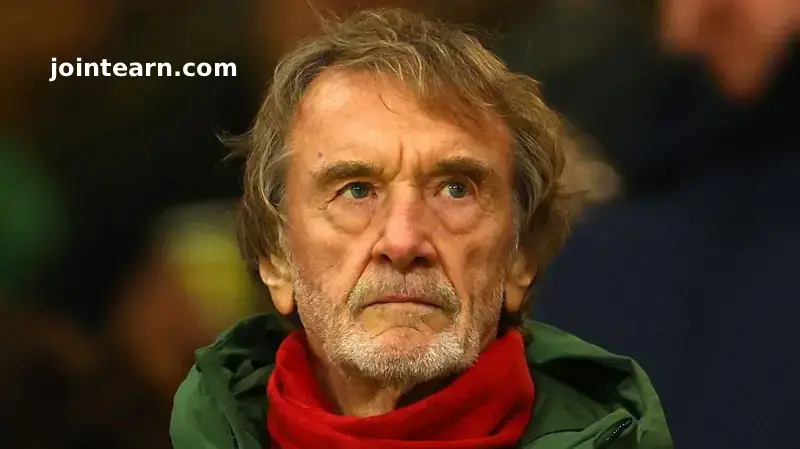
The sacking of Ruben Amorim is the latest explosive episode in what has become an increasingly tumultuous chapter at Manchester United under Sir Jim Ratcliffe and Ineos.
Amorim, 40, was dismissed after an outburst at Elland Road following United’s 1-1 draw with Leeds, a misjudged and highly combustible act directed at those above him. It was a final, fatal misstep in a period already riddled with tension, tactical inflexibility, and underperformance.
The Portuguese coach, who had only spent 14 months at Old Trafford, leaves behind a club still grappling with instability and a lack of coherent direction—a reflection of the systemic mismanagement under Ratcliffe since he acquired a 27.7% stake and assumed control of football operations in February 2024.
Mismanagement at the Top
Ratcliffe, a billionaire industrialist renowned for his success outside football, has struggled to adapt to the unique pressures of running one of the world’s largest football clubs. Manchester United is no less chaotic than it was before his arrival, despite the initial portrayal of him as the mega-rich saviour.
From triggering Amorim’s £9.25m release clause at Sporting Lisbon to the handling of his predecessor Erik ten Hag, decisions have been costly and poorly timed. Ten Hag, extended and funded with £200m in transfers on the back of an FA Cup triumph, was dismissed just months later. His £10.4m payout and the associated turmoil exemplify the pattern.
Dan Ashworth, then United sporting director, left after only five months, following a series of high-profile resignations and misjudged appointments. His exit reportedly cost the club £4.1m, including compensation to Newcastle United and personal pay-offs—illustrating the scale of mismanagement.
Amorim: Talent and Turmoil
When United targeted Amorim, he was regarded as one of Europe’s brightest managerial talents. However, his insistence on a 3-4-3 formation clashed with player capabilities and Premier League realities. His rigid tactical approach, combined with headline-grabbing emotional outbursts, contributed heavily to his downfall.
During his tenure, Amorim:
- Loaned Marcus Rashford to Barcelona
- Sold Alejandro Garnacho to Chelsea
- Limited playing time for academy star Kobbie Mainoo, who has featured for only 212 minutes this season despite starting England’s Euro 2024 final
On the pitch, United’s record under Amorim included a 15th-place Premier League finish, though the team did reach the Europa League final, losing to Tottenham Hotspur.
Transfer Market and Fan Faith
Amorim enjoyed substantial backing in the transfer market, with United spending £200m on attacking reinforcements including Matheus Cunha, Bryan Mbeumo, and Benjamin Sesko. While Cunha and Mbeumo impressed, Sesko’s impact remains uncertain.
Despite early fan support, faith has waned due to poor results and inconsistent performances, including losses to 10-man Everton and draws against Wolverhampton Wanderers.
Back to Square One
With Amorim gone, Darren Fletcher assumes caretaker duties while United begins a search for a new manager. The club’s hierarchy, including Ratcliffe, director of football Jason Wilcox, and chief executive Omar Berrada, face mounting pressure to deliver stability and restore faith among United’s global fanbase.
This latest episode underscores a key truth: Manchester United’s ownership must prove it can make a decisive, correct managerial appointment if the club is to regain coherence on and off the pitch.


Leave a Reply