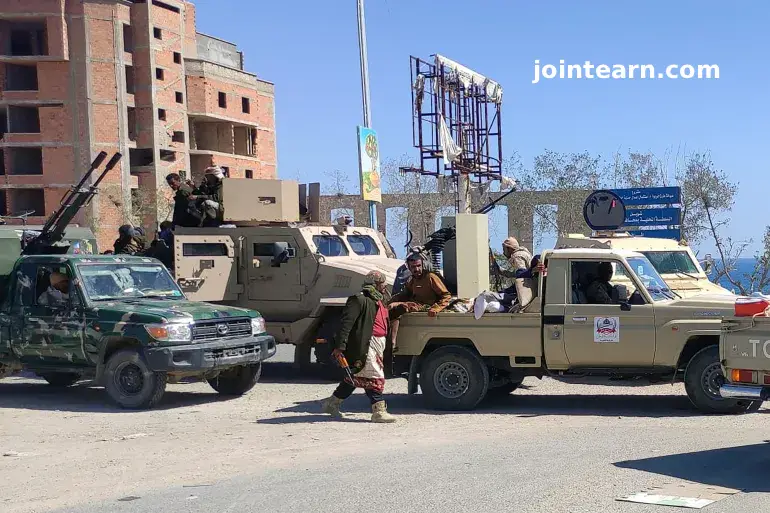
Yemeni government troops, backed by Saudi Arabia, have successfully retaken multiple cities and governorates in southern Yemen, including the strategic port city of Mukalla, following recent clashes with the United Arab Emirates-backed Southern Transitional Council (STC). The operation highlights shifting power dynamics in Yemen’s ongoing conflict and escalating tensions among Gulf Arab powers.
Saudi-Backed Forces Achieve “Record Success”
Rashad al-Alimi, head of Yemen’s Presidential Leadership Council (PLC), hailed the government’s campaign as a “record success,” noting that the Homeland Shield forces regained control over all military and security positions in Hadramout province, which shares a border with Saudi Arabia. The operation, launched just a day before the announcement, marks a significant milestone for Yemen’s internationally recognized government in reclaiming southern territory from STC control.
Government sources confirmed that all districts of Hadramout, Yemen’s largest governorate, have now returned to state control. Similarly, Homeland Shield forces reclaimed all nine districts of al-Mahra following the withdrawal of STC fighters, according to Mohammed Omar Suwailam, Director General of the Youth Office for al-Mahra.
Strategic Importance of Mukalla and Hadramout
The recapture of Mukalla, the provincial capital and key eastern port, is particularly significant for Yemen’s government. The city had fallen to the STC in December 2025, giving the secessionist movement a foothold in the south that threatened government influence and Saudi border security.
According to Al Jazeera Yemen affairs editor Ahmed al-Shalafi, these gains represent both military and political victories. While Homeland Shield forces secured the battlefield, Yemen’s government also extended an invitation to the STC for dialogue in Saudi Arabia, signaling a dual approach of force and diplomacy.
Casualties and Continuing Tensions
Fighting has come at a high cost. At least 80 STC fighters were reported killed, with 152 wounded and 130 captured during the operations, according to STC officials. Saudi airstrikes on STC positions in Barshid, west of Mukalla, intensified the campaign, demonstrating Riyadh’s direct military support for the Yemeni government.
Despite the military success, tensions remain high. The STC continues to exercise control in certain areas, including the port city of Aden, where movement restrictions reportedly affected residents, including families and patients seeking medical care. The Yemeni government condemned these restrictions as violations of the constitution and the Riyadh Agreement, pledging to protect civilians and restore freedom of movement.
Restoration of Services in Retaken Areas
In cities such as Seiyun in Hadramout, life is gradually returning to normal. State institutions have begun resuming operations, and public services are being restored. Hadramout Governor Salem Ahmed Said al-Khanbashi visited Seiyun Airport following the government’s recapture of the region, highlighting efforts to stabilize southern Yemen and reassert central authority.
Meanwhile, Aden International Airport partially resumed operations after closure, although some flight disruptions continue in other areas, including Socotra Island, amid ongoing disputes between the Yemeni government, Saudi-backed forces, and the STC.
Implications for Yemen and the Gulf
The recent operations underscore the fragile balance of power in southern Yemen. With Saudi-backed forces retaking key territories, the government has strengthened its position against secessionist movements, while UAE-backed STC forces face mounting pressure. Analysts note that continued military campaigns combined with diplomatic efforts may determine the long-term stability of Yemen’s south, particularly in resource-rich and strategically located governorates like Hadramout and al-Mahra.
Looking Ahead
The Yemeni government has pledged to advance from Hadramout to Aden, aiming to reclaim STC strongholds and ensure nationwide governance. Observers are closely monitoring developments, as renewed clashes could affect:
- Civilian safety and humanitarian conditions
- Flight operations and transportation across southern Yemen
- Gulf regional politics, particularly relations between Saudi Arabia and the UAE
- The implementation of the Riyadh Agreement and political reconciliation
With military momentum favoring the Yemeni government, the southern conflict remains a focal point for both regional security and international diplomacy.


Leave a Reply