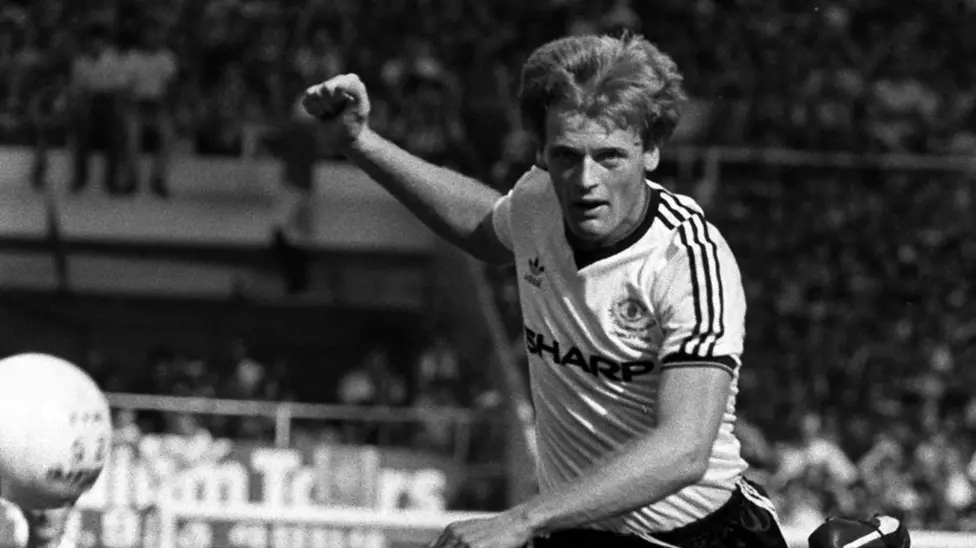
Former Scotland, Manchester United, and Leeds United defender Gordon McQueen reportedly believed his dementia was linked to repeatedly heading footballs during his playing career, according to his daughter, Sky Sports presenter Hayley McQueen.
McQueen, who passed away in 2023 aged 70, had been diagnosed with vascular dementia and chronic traumatic encephalopathy (CTE). An inquest into his death opened on Tuesday at the coroner’s court in Northallerton, North Yorkshire, shedding light on the progression of his illness and its possible links to his football career.
Early Signs of Dementia
Hayley McQueen described noticing her father’s decline shortly after his 60th birthday, including personality changes, balance issues, and dysphagia (swallowing difficulties).
“He used to get confused about things… never people—he had an incredible memory for the past,” she said. “It was more the withdrawn nature of my dad. He would be the centre of attention, but with dementia he would have to be asked a question to speak.”
McQueen also experienced headaches, memory loss, difficulty making simple drinks, and trouble with everyday tasks.
Football Career and Heading Impact
Gordon McQueen played nearly 350 matches for St Mirren, Leeds United, and Manchester United between 1970 and 1985, establishing himself as one of the most dominant aerial defenders of his era.
Hayley noted that her father scored most of his goals “mainly with his head, from set-pieces.” Former teammates, including Joe Jordan, Lou Macari, Bryan Robson, Eddie Gray, and Gary Bailey, highlighted that heading was a central part of his playing style and contributed to his reputation as a master of aerial duels.
Medical Findings
Post-mortem examinations revealed that McQueen had mixed vascular dementia, CTE, and pneumonia in the right lung. Professor Willie Stewart, a consultant at Queen Elizabeth University Hospital in Glasgow, explained that the CTE symptoms—cognitive decline and neuro-behavioural changes—were typical in individuals with long careers in contact sports like football and rugby.
“The only available causal evidence was exposure to impacts, or heading a football,” Prof Stewart said, confirming a significant link between McQueen’s repetitive head impacts and the progression of CTE.
Prof Stewart’s studies indicate that outfield players, particularly defenders, are at higher risk of neurodegenerative disease, whereas goalkeepers have a risk equivalent to the general population.
Pathologist Dr David Scoones agreed, stating that CTE likely contributed significantly to McQueen’s death.
Family Reflections
Hayley recalled conversations with her father about the possible cause of his condition:
“He would say, ‘Yes, heading a football all those years probably hasn’t helped.’”
She also noted that while McQueen suffered from throat cancer, it was the neurological impact of repeated head trauma that most significantly altered his personality, memory, and daily functioning.
Broader Implications for Football
McQueen’s inquest adds to a growing body of evidence highlighting the long-term risks associated with heading in football, particularly for defenders and players in central positions. The findings underline the importance of ongoing research into sports-related neurodegenerative diseases and may influence future protocols for player safety, training methods, and heading guidelines.
The inquest has been adjourned until Monday, 26 January 2026.


Leave a Reply