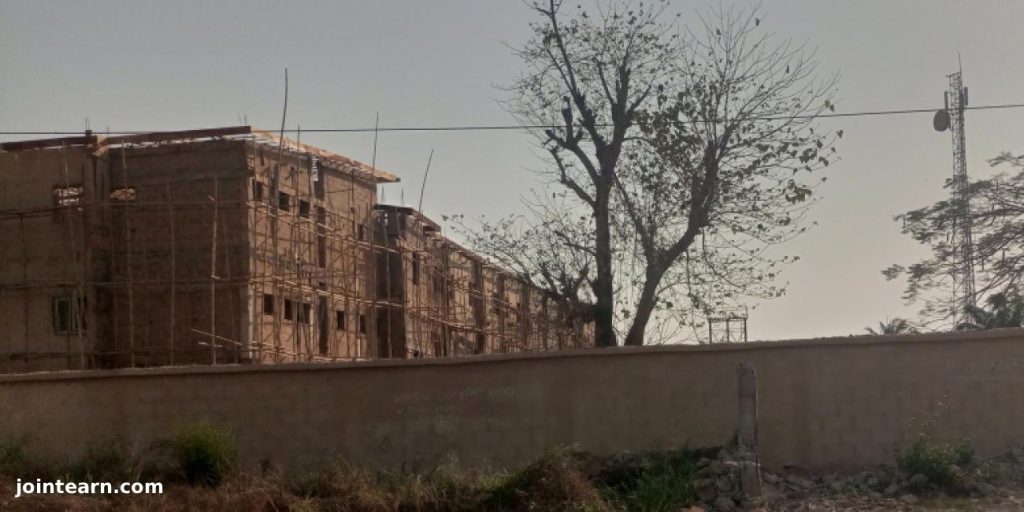
Enugu State has allocated ₦30 billion in its 2026 budget for a school feeding programme aimed at benefiting 260 “Smart Schools” across the state. This initiative, championed by Governor Peter Mbah, is part of a broader effort to improve child nutrition and learning outcomes. However, the plan has sparked concerns due to the fact that less than 20% of the schools have been completed.
The School Feeding Programme
The ₦30 billion earmarked for the school feeding initiative is designed to improve the health and academic performance of schoolchildren by providing balanced meals. The aim is to address childhood malnutrition while boosting school attendance and learning outcomes. The budget document highlights the importance of prioritizing nutrition to create a foundation for healthier, more resilient future generations.
Challenges in School Construction
Despite the ambitious budget, many of the Smart Schools are still under construction. Interviews with education stakeholders and site visits to various wards across Enugu reveal that many school buildings are in the early stages of development.
At the Emene Practicing Schools, one of the Smart Schools under construction, none of the buildings have been roofed, and there has been little progress on equipping classrooms or landscaping. Similarly, at New Haven Primary Schools, some painting has been completed, but sewage systems, water infrastructure, and other essential facilities are still under construction. At the Army Command Schools, the Smart School project is still ongoing.
With the second term of the 2025/2026 academic year set to resume on January 12, 2026, critics are questioning whether it is feasible to roll out the feeding programme in schools that are not yet fully operational.
Concerns About the Feeding Programme
The feeding programme has raised doubts due to the misalignment between the construction timeline and preparations for food supply and vendor engagement. Critics caution that starting the programme before the schools are ready may lead to inefficiency, warehousing losses, or even diversion of funds.
Prof. Mike Okorie, an education policy analyst, stated: “School feeding works best when there are functional schools, with classrooms, enrolment lists, kitchens, and proper oversight. Otherwise, you risk paying for meals without institutional controls to ensure children actually receive them.”
Budget Allocation and Opportunity Costs
The ₦30 billion allocated for feeding rivals other significant education investments, such as ₦68 billion for 10 Technical and Vocational Education and Training (TVET) schools, ₦158 billion for 16 Smart Senior Secondary Schools, and ₦15 billion to upgrade 106 public secondary schools. The scale of the feeding programme has led some to argue that front-loading construction and equipment could better prepare the schools to host students and implement feeding programmes at scale.
Equity Concerns
Community leaders in rural wards have expressed concerns about equity. Solomon Ezeilo, the PTA chairman, questioned, “If only a handful of schools are operational, who benefits from the feeding money now? Will children in unfinished wards be counted?”
While the administration has emphasized that nutrition is essential to learning, transparency advocates are calling for clear implementation details. They demand clarity on which schools will be operational in 2026, the enrollment numbers, vendor selection criteria, and unit costs per meal. They also urge for safeguards to prevent waste in the face of ongoing construction delays.
Government Response
Sources within the government have assured that the budget reflects a holistic approach, with the aim to build, equip, and support learners simultaneously. They insisted that the feeding programme will be sequenced and that early investments will target schools that are functional or near completion, with a gradual expansion as construction progresses.


Leave a Reply