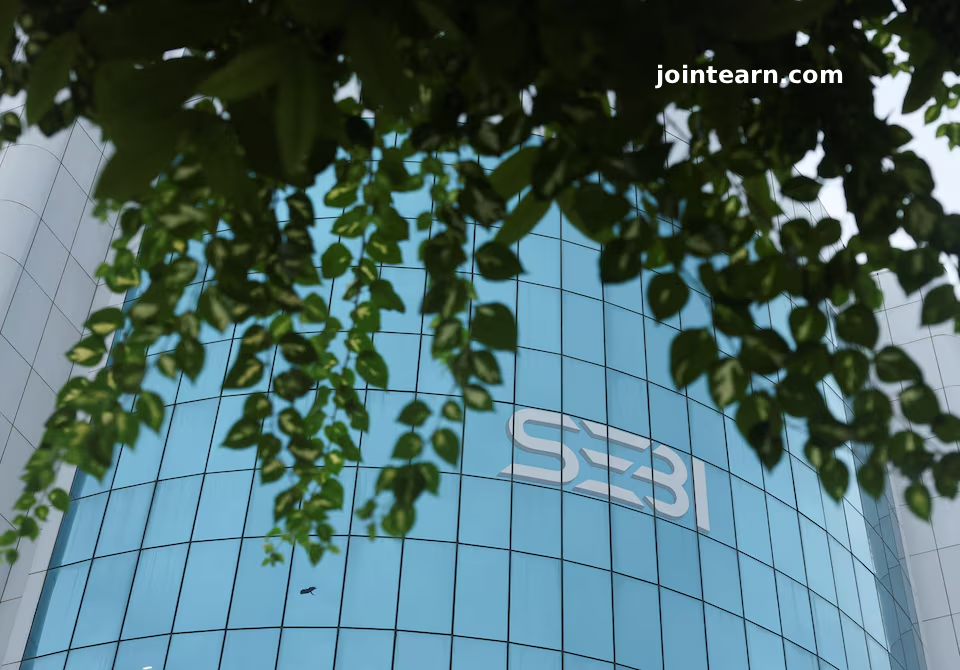
In a significant development in India’s financial regulatory landscape, Bank of America (BofA) has been accused by the Securities and Exchange Board of India (SEBI) of violating insider trading regulations and breaching internal “Chinese walls” during a 2024 share sale of Aditya Birla Sun Life Asset Management (ABSL AMC). The allegations stem from SEBI’s investigation into the bank’s domestic securities unit and its handling of confidential information during the high-profile transaction.
Key Allegations by SEBI
According to SEBI’s October 30, 2025 notice:
- BofA’s deal team allegedly held unpublished, price-sensitive information and contacted potential investors directly or indirectly.
- The bank’s broking arm, research team, and Asia-Pacific syndicate team reportedly shared confidential valuation reports and other sensitive details with investors at the request of the deal team.
- SEBI criticized BofA for failing to maintain internal Chinese walls, which are critical safeguards to prevent conflicts of interest and the misuse of sensitive information.
- The regulator also alleged that BofA suppressed material facts and provided false statements during its investigation.
A source familiar with the matter told Reuters that BofA has submitted an application to settle the charges without admitting guilt, which is currently under review by SEBI.
Investors Involved
SEBI’s notice highlighted interactions with three prominent investors during the ABSL AMC share sale:
- HDFC Life – India’s second-largest private insurer
- Norges Bank – Norway’s central bank
- Enam Holdings – A leading Indian investment firm
SEBI noted that these interactions occurred after BofA was appointed to manage the transaction on February 28, 2024, but before the official announcement of the share sale on March 18, 2024. Such communication is considered a breach of Indian insider trading rules, which prohibit the sharing of price-sensitive information with employees or investors outside the designated deal team.
Specific Instances of Alleged Violations
SEBI’s notice included concrete examples of internal protocol failures:
- The deal team requested the broking arm to prepare a valuation report for ABSL AMC and its sponsor, the Aditya Birla Group, which was then shared with Enam Holdings, a potential investor.
- The deal team asked the APAC syndicate team in Hong Kong—outside the deal team—to seek feedback from Norges Bank regarding its interest in the $177 million share sale.
According to SEBI, these actions indicate that confidential information was not handled on a strict ‘need-to-know’ basis, raising concerns about the bank’s internal control mechanisms.
Internal Failures and Whistleblower Involvement
The case came to light in 2024 following a whistleblower complaint, which prompted an internal BofA investigation. The probe reportedly led to the exit of senior officials who violated internal protocols.
SEBI also highlighted discrepancies in BofA’s responses during the investigation:
- Initially, the bank denied any meetings or communications with investors regarding the share sale.
- BofA claimed that feedback from investors was generic and occurred before the bank’s formal appointment to manage the deal.
- Only after SEBI obtained responses from HDFC Life and Enam Holdings did the bank acknowledge conversations with potential investors, contradicting its earlier statements.
Expert Insights
Sumit Agrawal, Senior Partner at Regstreet Law, noted:
“This case looks less like classic insider trading and more like an internal-controls failure, which can attract serious regulatory action.”
SEBI’s notice emphasizes that while there is no direct evidence of price-sensitive information being exchanged, the failure to maintain proper internal barriers constitutes a serious regulatory breach.
Implications for Bank of America
The SEBI allegations could have multiple consequences for BofA:
- Regulatory fines or penalties for breach of insider trading and internal control rules
- Potential damage to the bank’s reputation in India and investor trust
- Increased scrutiny over the bank’s domestic securities operations and global compliance procedures
As of now, neither BofA nor SEBI has publicly commented on the matter.
Conclusion
The SEBI notice against Bank of America underscores the importance of internal compliance and strict handling of sensitive information in investment banking. Even without evidence of direct insider trading, failures in internal protocols can result in significant regulatory actions and reputational damage.
This case also highlights the increasing role of whistleblowers and internal audits in holding global financial institutions accountable for their conduct in foreign markets.


Leave a Reply