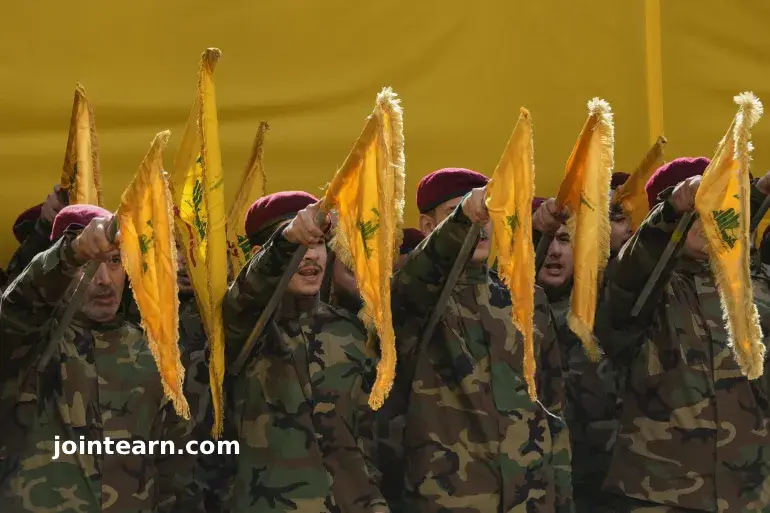
Beirut, Lebanon – Lebanon is poised to advance its controversial plan to disarm Hezbollah, with Army Commander Rodolphe Haykal scheduled to brief the government on the progress of the mission on January 8, 2026. This development comes amid heightened regional tensions, complex domestic politics, and ongoing pressure from Israel, which continues to monitor Hezbollah’s military capabilities along Lebanon’s southern border.
The mission, which began last year, aims to bring all weapons under state control, with the first phase focused on the area south of the Litani River.
Background: Hezbollah’s Military Presence and Regional Tensions
In late 2025, Lebanon’s army conducted tours for journalists and international diplomats, highlighting its efforts to dismantle Hezbollah’s military infrastructure along the southern border with Israel. The initiative sought to demonstrate the army’s commitment despite “limited capabilities,” according to Haykal.
Israel, however, has repeatedly warned that it may expand attacks if Hezbollah is not disarmed promptly. Israeli officials claim the group continues to rebuild its military capacity “faster than the army is dismantling it,” though the United Nations peacekeeping force in southern Lebanon reports no evidence of rebuilt infrastructure.
Hezbollah, for its part, dismisses the disarmament efforts as a US-Israeli initiative and maintains that the November 2024 ceasefire with Israel applies only to areas south of the Litani River.
Phase One: Progress Along the Litani River
The army’s first phase involved securing and clearing the area between the Litani River and the southern border with Israel, approximately 30 kilometers at its widest point. Haykal is expected to report on the completion of this phase, highlighting key operational achievements.
Despite progress, Israeli military actions continue. Intense airstrikes north of the Litani, near positions held by Hezbollah, signal that Israel is prepared to act independently if Lebanon delays the next phase.
Political analyst Joe Macaron noted, “Israel has already shifted focus to phase two, which will be far more difficult. Expanding operations north of the Litani will involve significant challenges, including the risk of internal political tensions.”
Phase Two: Challenges Beyond the Litani
Phase two will extend disarmament efforts north of the Litani River up to the Awali River near Sidon. Hezbollah has made it clear that it will not surrender weapons in this region, raising the potential for domestic conflict. Analysts warn that without broad political consensus, any move north of the Litani could trigger violent resistance from Hezbollah and its supporters within Lebanon’s Shia community.
Ali Rizk, a Lebanese security analyst, explained:
“The community feels it is under a twin threat – from Israel and the new regime in Syria – which is why support for Hezbollah’s weapons remains strong.”
The army is reportedly preparing carefully for this phase, aware that political backing and strategic planning are essential to avoid internal clashes.
Hezbollah’s Position and Regional Alliances
Hezbollah continues to assert that it has complied with the ceasefire, arguing that the truce applies only south of the Litani River. Secretary-General Naim Qassem emphasized that Lebanon is not obligated to act until Israel fulfills its commitments under the truce and UN Resolution 1701, which calls for the disarmament of all non-state actors.
Iran’s influence remains a critical factor. The arrival of Iranian Foreign Minister Abbas Araghchi in Beirut coincides with Lebanon’s government meeting on disarmament. Analysts suggest that Iran will play an active role in supporting Hezbollah and preventing the group from losing its weapons, which are viewed as vital to its ideological and strategic interests.
Domestic and Regional Implications
Lebanon’s leadership, led by Prime Minister Nawaf Salam, has pledged to reassert full state sovereignty by moving forward with phase two. Yet the country faces pressure from multiple fronts:
- Israel: Ready to act militarily if Lebanon does not disarm Hezbollah.
- Iran: Supporting Hezbollah’s retention of weapons as a regional strategic ally.
- Domestic Politics: Hezbollah retains significant influence among Lebanon’s Shia population, complicating government-led disarmament initiatives.
The Lebanese army’s careful approach, combined with ongoing diplomatic engagement, will be critical in managing these tensions while attempting to enforce state authority over weapons across the country.
Looking Ahead
As Lebanon advances its disarmament plan, phase two will test both the army’s capacity and the government’s political resolve. Analysts warn that the operation’s success will depend on a delicate balance of military strategy, diplomacy, and domestic political consensus.
The coming weeks will be decisive in determining whether Lebanon can assert state control over all armed groups, while navigating the complex pressures of Israeli security demands, Iranian influence, and Hezbollah’s entrenched domestic support.


Leave a Reply