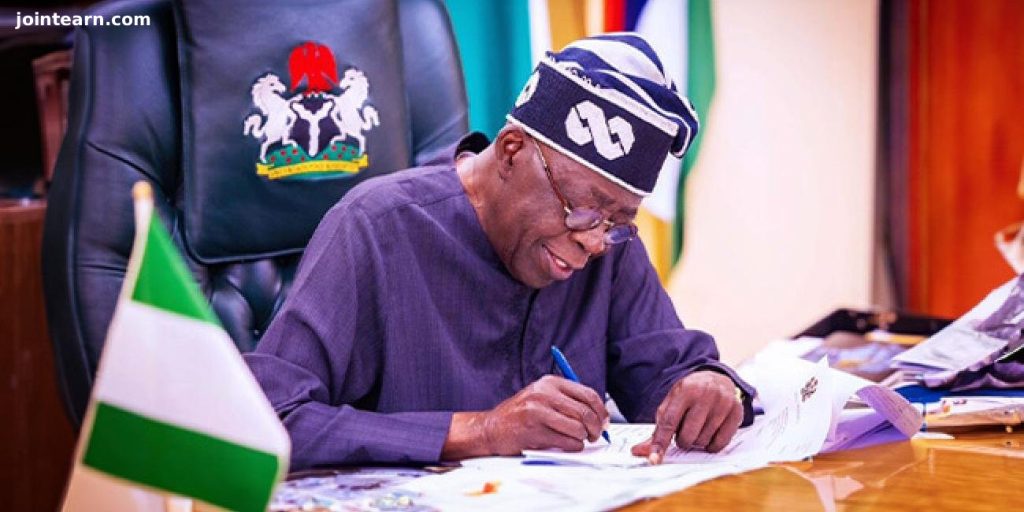
The Bola Tinubu-led administration has budgeted an additional N7 billion for the solarisation of the Presidential Villa in 2026, according to the Budget Office of the Federation. The allocation, listed under State House expenditures, is described as “provision of solarisation of Villa with solar mini grid.”
This follows the N10 billion already budgeted in 2025 for the same project, which seeks to develop a solar grid at Aso Rock, the residence of the President and top government officials. The initiative comes amid repeated power failures affecting average Nigerians nationwide.
The Presidency has defended the project, citing it as a strategic, long-term investment in sustainability and energy efficiency, similar to solar energy initiatives at global presidential residences, including the White House in Washington, D.C. Presidential spokesperson Bayo Onanuga emphasized that the project aligns with international standards for powering critical national institutions.
The announcement coincides with ongoing fragility in Nigeria’s electricity system. In a recent grid collapse, power generation fell sharply from 2,052MW to just 139.9MW within an hour, leaving most distribution companies unable to supply electricity. Only Ibadan, Abuja, and Benin DisCos received limited allocations, while major cities including Lagos, Enugu, and Port Harcourt went without power.
This latest allocation to the Presidential Villa has drawn criticism from Nigerians, who argue that the government is prioritizing energy security for itself while millions of citizens continue to experience unstable electricity.
Observers note that the repeated collapses of the national grid—including incidents in March and September 2025—underscore the persistent vulnerability of Nigeria’s power infrastructure, where a single disturbance can quickly cascade into widespread outages.


Leave a Reply