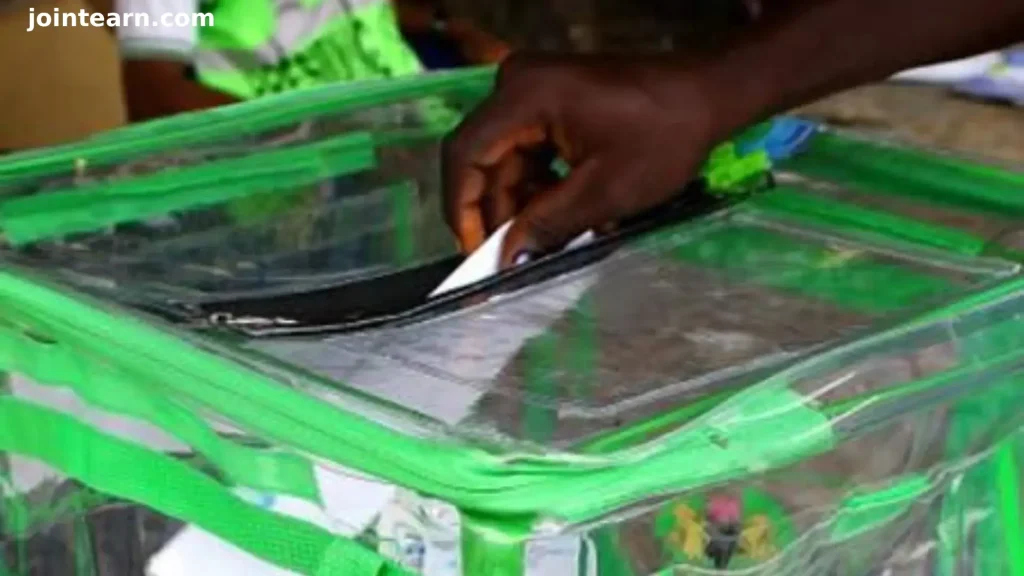
As preparations for the 2027 general elections gain momentum, Nigeria’s political landscape is becoming increasingly charged. Party defections, internal crises, and emerging fault lines are now common across the major political parties, including the PDP, LP, NNPP, ADC, and even the ruling APC.
Beyond these developments, a notable shift is underway: the gradual erosion of political godfatherism. Across Nigeria, governors who initially rose to power under the influence of political mentors are asserting independence, sometimes at significant political cost.
Kano: Yusuf vs Kwankwaso
In Kano State, tension has escalated between Governor Abba Kabir Yusuf and his former mentor, Senator Rabiu Musa Kwankwaso. Reports indicate Yusuf plans to defect from the NNPP to the APC, despite Kwankwaso’s opposition. Arrangements for the move are reportedly advanced, with January 12 set as a key date.
The fallout has split the state’s political structure, including commissioners, lawmakers, and local officials. The NNPP’s state chairman, loyal to Kwankwaso, was replaced with a Yusuf ally. Kano’s Commissioner for Information, Ibrahim Abdullahi Waiya, described a potential defection as beneficial for the state, citing increased access to federal projects.
Kaduna: Sani and El-Rufai Rift
Kaduna State has also seen a high-profile showdown between Governor Uba Sani and his predecessor, Nasir El-Rufai. The dispute became public in 2024, with allegations of financial mismanagement and unpaid salaries under El-Rufai’s administration. While Sani remains in the APC and El-Rufai has moved to the ADC, tensions remain, highlighting the challenges of godfather-protégé relationships.
Jigawa: Quiet Tension
In Jigawa, relations between Governor Umar Namadi and former governor Badaru Abubakar are reportedly strained, though less publicly visible. Political analysts predict potential clashes as the 2027 elections approach.
Rivers: Wike–Fubara Confrontation
Rivers State has experienced a prolonged dispute between former governor Nyesom Wike and current governor Siminalayi Fubara, which included a suspension of Fubara and appointment of an acting administrator. Despite a temporary reconciliation, underlying tensions persist, with Wike reportedly positioning a candidate for 2027 and loyal legislators pursuing impeachment proceedings against Fubara.
Historical Context
Godfather-protégé conflicts are not new. Past examples include Abubakar Rimi vs Malam Aminu Kano in Kano (1982), Lamidi Adedibu vs Rashidi Ladoja in Oyo (2006), and disputes in Sokoto State. These clashes have long influenced Nigerian politics.
Expert Opinions
Political scientist Professor Kamilu Sani Fage argues that godfatherism has no place in a true democracy, as it prioritizes personal gain over public interest. Its decline, he says, allows elected officials to govern independently.
However, some political actors disagree. Umar Kyari, PDP spokesperson in Jigawa, maintains that godfatherism remains inevitable in Nigeria, while Sheikh Ibrahim Khalil, ADC governorship candidate in Kano, notes that many politicians rely on mentorship to succeed.
Looking Ahead to 2027
As the 2027 elections approach, more confrontations between godfathers and their political offspring are expected. Whether these developments mark the end of godfatherism or simply a reshaping of old power structures remains uncertain, but one trend is clear: loyalty is no longer guaranteed, and authority is increasingly contested.


Leave a Reply