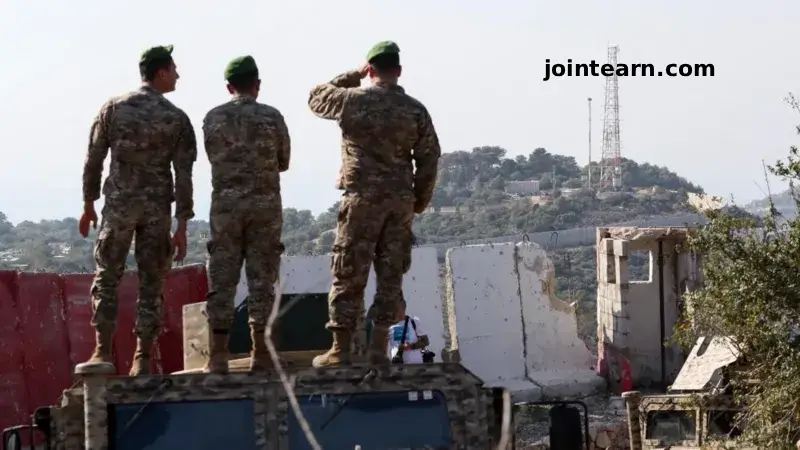
Lebanese Army Assumes Security in Southern Lebanon
The Lebanese army has announced it has taken over security in southern Lebanon, an area historically dominated by the Iranian-backed militia Hezbollah. This move comes amid concerns that Israel could escalate its military campaign against the group, which is considered a terrorist organization by the United States, the United Kingdom, and several other countries.
The southern region of Lebanon, particularly south of the Litani River, has long been a stronghold for Hezbollah. Following a ceasefire in November 2024, which ended a year-long war with Israel, international pressure, particularly from the US, has mounted for Hezbollah to be disarmed and for non-state weapons to be removed.
Progress and Challenges in Disarmament
The Lebanese army reported that its efforts to clear areas south of the Litani River have been effective and tangible. Soldiers have dismantled infrastructure previously controlled by Hezbollah without encountering resistance. The army emphasized that while substantial progress has been made, more work remains, including clearing unexploded ordnance and tunnels.
Lebanon plans to move next to the area between the Litani and Awali rivers, including the port city of Sidon, though no timeline has been provided. The army has raised concerns over insufficient funding and equipment, limiting its capacity to fully implement the plan.
Hezbollah’s Position and Ongoing Influence
Hezbollah has complied with ceasefire terms in the south, removing fighters from key areas, and insists it will not disarm north of the Litani. The group maintains a strong presence in the eastern Bekaa Valley and Beirut’s southern suburbs (Dahieh).
As both a political party and social movement, Hezbollah runs schools, hospitals, and social services, enjoying widespread support among Lebanon’s Shia community. However, critics argue that this is a critical moment to disarm the group following its losses in the war.
Lebanese President Joseph Aoun has rejected the use of force against Hezbollah, warning it could exacerbate sectarian divisions and spark violence.
International Reactions and Israeli Concerns
Israel and the US have expressed skepticism about Hezbollah’s compliance. The office of Israeli Prime Minister Benjamin Netanyahu described the Lebanese army’s efforts as “an encouraging beginning” but insufficient, citing Hezbollah’s ongoing attempts to rearm with Iranian support.
Israeli media have reported that Netanyahu received approval from former US President Donald Trump to intensify operations against Hezbollah if necessary. Israel continues to occupy positions in southern Lebanon and conducts near-daily strikes targeting locations it claims are linked to Hezbollah, although the UN peacekeeping force (UNIFIL) reports no evidence that the group is rebuilding its military infrastructure in these areas.
Humanitarian Impact and Reconstruction Efforts
The southern Lebanese region has been heavily affected by conflict. Tens of thousands of residents remain displaced, and much of the infrastructure lies in ruins. International partners, including the US and European donors, have conditioned reconstruction aid on Lebanon taking action against Hezbollah and ensuring security in the south.
While the ceasefire has reduced large-scale violence, the situation remains fragile. Observers caution that delays in disarmament and reconstruction could hinder Lebanon’s recovery and risk renewed clashes in the region.
Looking Ahead: Security and Stability in Southern Lebanon
The Lebanese army’s takeover of security in Hezbollah-dominated areas marks a significant shift in the balance of power in southern Lebanon. The next stages of the plan will require careful management to avoid sectarian tensions, ensure civilian safety, and support reconstruction efforts.
Lebanon’s leadership faces the dual challenge of maintaining peace while disarming a politically and socially entrenched militia, navigating domestic, regional, and international pressures simultaneously.


Leave a Reply