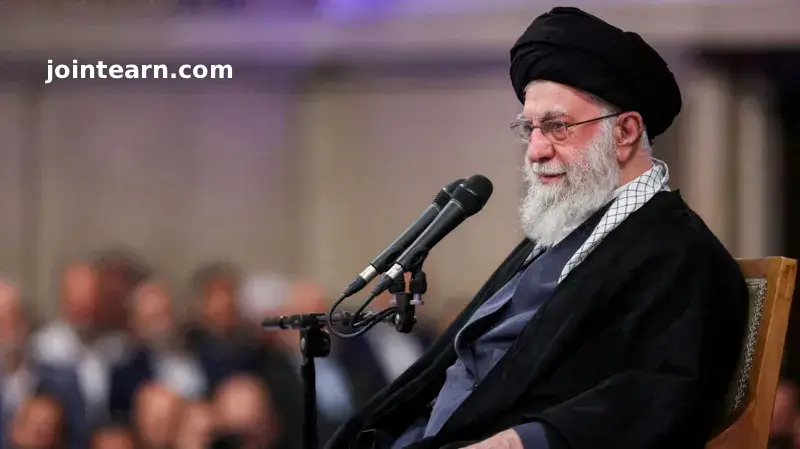
Iran is facing its largest wave of anti-government protests in years, with dozens killed and thousands arrested as demonstrators demand economic reforms, political change, and greater freedoms. In a defiant response, Supreme Leader Ayatollah Ali Khamenei has called the protesters “troublemakers” seeking to please the U.S., while the Iranian government has blamed the United States for inciting unrest.
The protests, now in their 13th day, began with anger over Iran’s collapsing economy and have grown to encompass calls for the end of the Islamic Republic, with some demonstrators even advocating for a return of the monarchy.
Deadly Toll and Arrests
Human rights groups report that at least 48 protesters and 14 security personnel have been killed, with over 2,277 arrests since the demonstrations began on 28 December. The Norway-based Iran Human Rights NGO (IHRNGO) confirms at least 51 deaths, including nine children, and the BBC has verified the identities of 22 victims.
Iran’s internet blackout, in place since Thursday evening, has further limited the flow of information, making it difficult to assess the full scale of the unrest. Internet monitoring groups Cloudflare and NetBlocks have reported only minimal online traffic returning.
Khamenei’s Defiant Response
In a televised address, Khamenei emphasized that the Islamic Republic will not yield, saying:
“The Islamic Republic came to power through the blood of several hundred thousand honourable people and it will not back down in the face of those who deny this.”
He later reiterated that Iran will act decisively against what he called “destructive elements,” signaling a hardline stance against the protesters.
Iran’s United Nations ambassador also accused the U.S. of interfering in Iran’s internal affairs, claiming that American threats and incitement encouraged violence and instability.
U.S. Reaction
Former President Donald Trump commented from the White House, stating that Iran is “in big trouble” and warning of potential consequences if the government escalates violence. Trump emphasized that U.S. involvement would not mean “boots on the ground,” but claimed that protesters are gaining control of cities that were previously thought secure.
Reza Pahlavi, the son of Iran’s last shah, has also called on Trump to prepare to intervene in support of Iranian demonstrators, urging the international community to back the people of Iran.
Spread of Protests Across Iran
Protests have erupted nationwide, with verified demonstrations in 67 locations. Videos from cities such as Tehran, Zahedan, and Isfahan show mass gatherings, chants against Khamenei, and incidents of property damage, including overturned cars and a fire at the office of the Young Journalists Club in Isfahan.
In Zahedan, crowds chanted “death to the dictator” after weekly prayers. In Tehran, cars were set alight near the Kaaj roundabout, and in Shiraz, residents reportedly stocked up on essentials amid fears of worsening conditions.
Humanitarian Impact and Internet Shutdown
The ongoing internet blackout has disrupted daily life, leaving citizens unable to access information, contact family members, or use debit cards in shops. The shutdown has also limited reporting, making it difficult to verify events and casualty figures.
Human rights activists warn that the blackout increases the risk of intensified government violence, with Nobel laureate Shirin Ebadi warning of a potential massacre. Families of protesters have expressed severe anxiety, unsure of the safety of their loved ones.
International Reactions
The protests have drawn global concern:
- France, Germany, and the UK condemned the killings and called on Iran to protect the rights of peaceful demonstrators.
- UN spokesperson Stéphane Dujarric emphasized that governments have a responsibility to allow peaceful protest and ensure the safety of citizens.
Italian Prime Minister Giorgia Meloni and French President Emmanuel Macron also stressed that those responsible for violence must be held accountable.
Background: Iranian Protest Movements
The current unrest builds on a history of pro-democracy and anti-government protests in Iran, including the 2022 demonstrations sparked by the death of Mahsa Amini, a young woman detained by morality police. Those protests resulted in over 550 deaths and 20,000 arrests, highlighting long-standing tensions over civil liberties, governance, and women’s rights in the country.
The ongoing protests underscore the Iranian people’s frustration with economic hardship, political repression, and systemic corruption, and they continue to challenge the authority of the Islamic Republic.


Leave a Reply