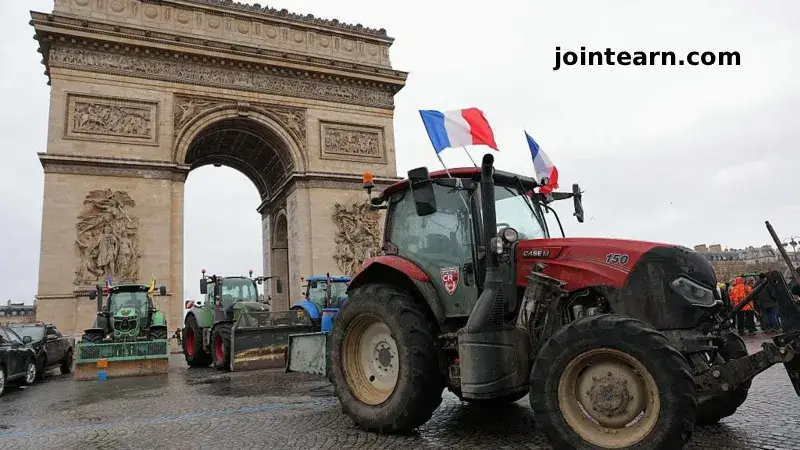
The European Union (EU) has reached a landmark free trade agreement with South America’s Mercosur trading bloc — a milestone that comes more than 25 years after talks first began and marks the largest trade accord the EU has ever negotiated. Mercosur includes Brazil, Argentina, Paraguay and Uruguay, and the deal now needs approval from the European Parliament before it can be formally signed and take effect.
Historic Breakthrough After Long Negotiations
EU member states have given a qualified majority backing to the Mercosur trade pact, following decades of stop‑start diplomacy and intense internal debate. With political support secured, both sides are preparing for an official signing ceremony in Paraguay, solidifying one of the most ambitious trade frameworks in global economic history.
Brazil’s President Luiz Inácio Lula da Silva described the agreement as a “historic day for multilateralism”, highlighting its significance against rising global protectionism and trade frictions. The pact aims to bolster economic ties between Europe and South America and offers a strategic counterpoint to tariff‑driven policies elsewhere in the world.
Largest Free Trade Zone and Economic Promise
Once ratified, the deal is expected to create one of the largest free trade areas in the world, linking markets of around 700 million people and eliminating the majority of tariffs between the EU and Mercosur. The European Commission estimates that removing tariffs could save EU businesses approximately €4 billion annually in export duties, enhancing export prospects for automobiles, machinery, chemicals, and other sectors.
In addition to boosting exports, the pact aims to diversify trade partners at a time when global markets are increasingly unpredictable, offering EU companies access to dynamic South American markets while providing Mercosur countries with expanded entry to Europe’s consumer base.
Safeguards for Farmers and Internal EU Debate
Not all EU member states supported the deal unanimously. Farmers in France, Poland, Austria, Ireland, and other countries protested, worried that cheaper agricultural imports such as beef, poultry, and sugar could undercut domestic producers. Tractor demonstrations and mass protests erupted in several capitals, signaling widespread anxiety in rural communities.
To address these concerns, the EU Parliament and Council have adopted enhanced safeguard measures that allow tariffs on sensitive agricultural imports to be temporarily suspended if rising volumes or falling prices threaten European farmers. These protections apply to products such as beef, poultry, eggs, citrus, and sugar, and include faster investigation timelines and monitoring mechanisms.
Italy’s support was pivotal in securing the qualified majority needed, after additional concessions and assurances were offered for its agricultural sector. European Commission President Ursula von der Leyen hailed the compromise as a “win‑win” for both blocs, emphasizing consumer and business benefits.
Environmental and Sustainability Commitments
The agreement also incorporates binding environmental and sustainability commitments, with both sides pledging to uphold multilateral environmental agreements, protect biodiversity, and combat illegal deforestation. A “precautionary principle” ensures that parties can regulate to protect health and the environment even if scientific data is evolving.
These provisions are designed to reassure critics that economic integration will not come at the expense of high environmental standards, although some advocacy groups remain skeptical about enforcement and long-term ecological impacts.
Next Steps: European Parliament Vote and Ratification
The trade agreement must now be approved by the European Parliament, with parliamentary votes expected in the coming months. While some economists and lawmakers caution that the deal’s macroeconomic impact may be modest — with benefits accruing gradually as implementation phases in over years — supporters argue the pact is strategically vital for securing Europe’s trade future.
If ratified, the EU‑Mercosur pact could reshape transatlantic trade relations, strengthen economic cooperation, and signal a renewed commitment to rules‑based global trade after decades of complex negotiation.


Leave a Reply