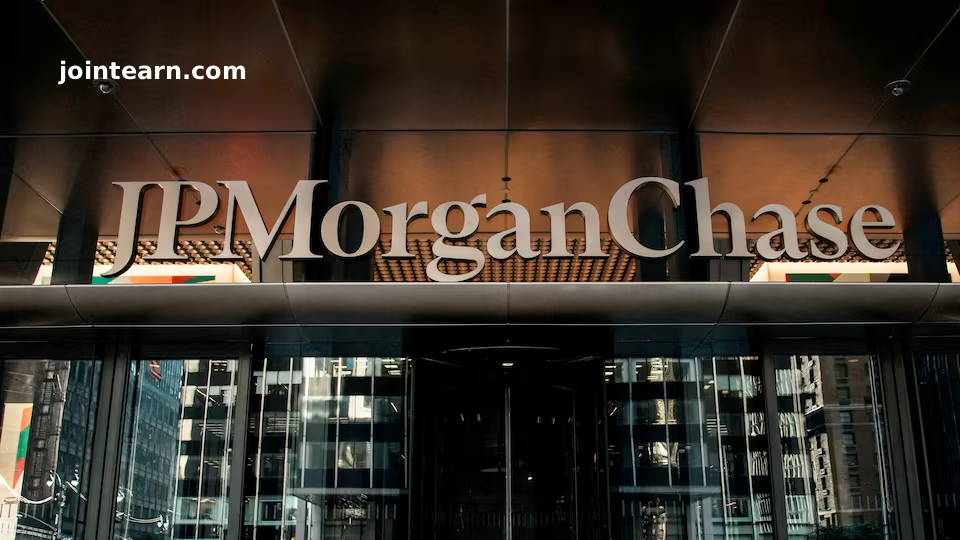
U.S. banks are closely monitoring Venezuela’s oil sector, as selective easing of sanctions opens potential opportunities for investment and trade financing. Among financial institutions, JPMorgan Chase appears particularly well-positioned to take advantage of the evolving situation due to its longstanding presence in Venezuela and prior experience in international trade financing.
JPMorgan Could Reactivate Venezuelan Operations
JPMorgan has operated in Venezuela for over 60 years, maintaining a dormant office in Caracas even after scaling back activities in 2002. Analysts suggest the office could be reactivated if required, allowing JPMorgan to engage in oil sector financing and broader trade initiatives once U.S. sanctions are relaxed.
María Paola Figueroa, Head of Frontier Latin America Research at the Institute of International Finance, said:
“The potential reopening of the oil sector and a broader economic recovery could create meaningful opportunities for foreign banks to re-enter the Venezuelan market, subject to the easing of U.S. financial sanctions.”
US Sanctions and Strategic Rollback
Venezuela has been under U.S. sanctions since 2006, with further restrictions imposed in 2017 and broad sanctions on the oil sector in 2019. The Trump administration is now planning to selectively lift some sanctions, allowing proceeds from oil sales to settle in U.S.-controlled accounts at global banks. This could create openings for U.S. banks to finance Venezuelan oil projects or infrastructure investment.
JPMorgan’s Potential Roles
Sources suggest several avenues for JPMorgan’s involvement:
- Trade Bank Model: A possibility exists to establish a trade bank to finance Venezuelan oil exports, similar to JPMorgan’s prior role in the Trade Bank of Iraq after 2003.
- Strategic Investment Funding: JPMorgan could utilize resources from its $1.5 trillion Security and Resiliency Initiative, potentially channeling funds into critical sectors such as minerals and oil infrastructure.
- Bond Trading and Restructuring: The bank already trades Venezuelan sovereign bonds not under sanctions with offshore counterparties and may participate in restructuring or other financing deals.
Mike Mayo, banking analyst at Wells Fargo, noted:
“JPMorgan is the best in class global bank. So if there are more opportunities globally or in Venezuela, the best in class global bank should get a fair share of this.”
Other Banks Watching Closely
While JPMorgan has a clear historical advantage, other U.S. banks are exploring opportunities:
- Citigroup: Could be a “dark horse” due to its Latin America experience, though it sold its Venezuelan operations to Banco Nacional de Crédito in 2021.
- BBVA: The Spanish lender maintains a significant presence in Venezuela, with potential opportunities in energy and infrastructure if political transitions proceed.
- Bank of Nova Scotia: Exited Venezuela in 2014 but anticipates potential growth in Latin American markets due to U.S. involvement.
Challenges Remain Despite Sanction Relief
Venezuela’s banking system remains heavily regulated, financially isolated, and economically unstable, relying on offshore intermediaries and alternative currencies for trade settlement. Even with sanctions lifted, banks may remain cautious, reflecting lessons from Iran in 2016, where global banks hesitated to re-enter the market despite relief from sanctions.
Christopher Hodge, Chief U.S. Economist at Natixis, emphasized:
“This is far from an ‘if you build it, they will come’ scenario.”
Strategic and Geopolitical Importance
Although Venezuela accounts for only 0.1% of global GDP, its oil reserves and geopolitical significance make the country strategically important for U.S. financial institutions and international investors. The potential for U.S. banks to support Venezuela’s oil sector could also strengthen U.S. influence in Latin America while offering long-term financial opportunities.
The Trump administration has stated it is carefully evaluating options and will make announcements regarding U.S. banks’ involvement in Venezuela directly, stressing that any decisions will prioritize American interests.


Leave a Reply