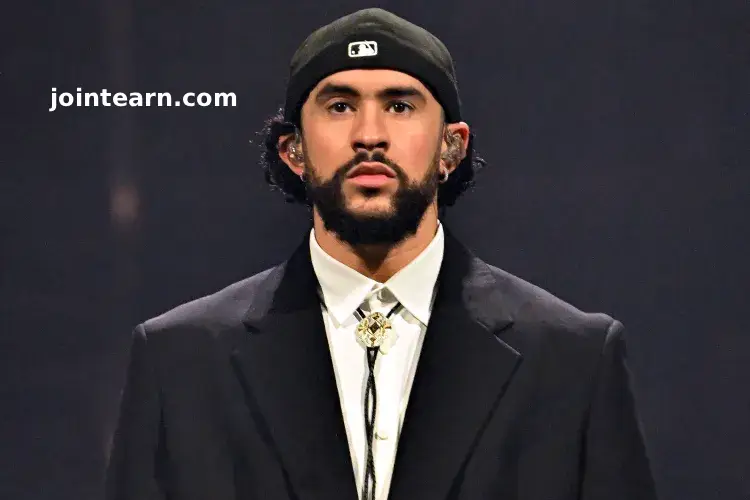
Latin music superstar Bad Bunny, born Benito Martínez Ocasio, is reportedly being sued for $16 million by a woman who claims her voice was used without permission in two of his songs. The legal action, filed in Puerto Rico on January 5, 2026, has drawn attention from fans and music industry insiders alike.
Allegations Against Bad Bunny
The lawsuit, brought by Tainaly Y. Serrano Rivera, alleges that her voice recording appears in Bad Bunny’s 2018 album X100pre song “Solo de Mi” and his 2025 album Debí Tirar Más Fotos track “EoO”. Rivera claims she never signed a contract allowing her voice to be used for commercial or advertising purposes, and she was not informed that her recording would be featured in global music releases.
According to Rivera, the specific audio line used is:
“Mira, puñeta, no me quiten el perrero”
which translates roughly to: “Listen, damn it, don’t take away my vibe.” Rivera asserts that this phrase has become widely associated with Bad Bunny, used in his concerts, promotional materials, and merchandise.
Production Details and Previous Legal Issues
Rivera alleges that Bad Bunny’s longtime producer, La Paciencia (real name Roberto Rosado), requested the recording back in 2018. Despite providing the recording, Rivera says she was never made aware it would appear on commercially released tracks, giving her grounds for claims of privacy and publicity violations.
This lawsuit is not the first time Bad Bunny has faced legal disputes over voice recordings. In 2023, Carliz de La Cruz Hernández filed a $40 million lawsuit, claiming that her phrase “Bad Bunny, baby” was used in his songs “Pa Ti” and “Dos Mil 16” without her permission. That case remains pending, and Rivera’s legal team—attorneys Jose Marxuach Fagot and Joanna Bocanegra—also represent Hernández.
Court Proceedings and Potential Impact
Bad Bunny and his record label, Rimas Entertainment, are called to respond in court in May 2026. If Rivera’s claims are successful, the case could result in a multi-million-dollar settlement or judgment, as well as significant reputational impact for the Latin music icon.
Fans of the artist and legal analysts alike are closely watching the case, which highlights broader concerns about intellectual property, voice rights, and music industry ethics. Unauthorized use of recordings in commercially released music has become a growing legal issue, particularly in the era of global streaming and digital content.
The Global Spotlight on Bad Bunny
As one of the world’s leading Latin music stars, Bad Bunny’s music spans reggaeton, Latin trap, and urban genres. Songs like “Solo de Mi” and “EoO” have attracted millions of streams worldwide, making the alleged unauthorized use of Rivera’s voice a potentially high-stakes matter.
The artist continues to tour and release new music while navigating these legal challenges, demonstrating the complex intersection of celebrity, creativity, and intellectual property in today’s music industry.
Conclusion
The $16 million lawsuit against Bad Bunny underscores the importance of proper contracts and permissions in music production. As the case progresses toward court hearings in May 2026, the music world will be watching to see how one of the biggest names in Latin music addresses these allegations. The outcome could set an important precedent for artists and producers regarding voice rights and the commercial use of recordings in the digital age.


Leave a Reply