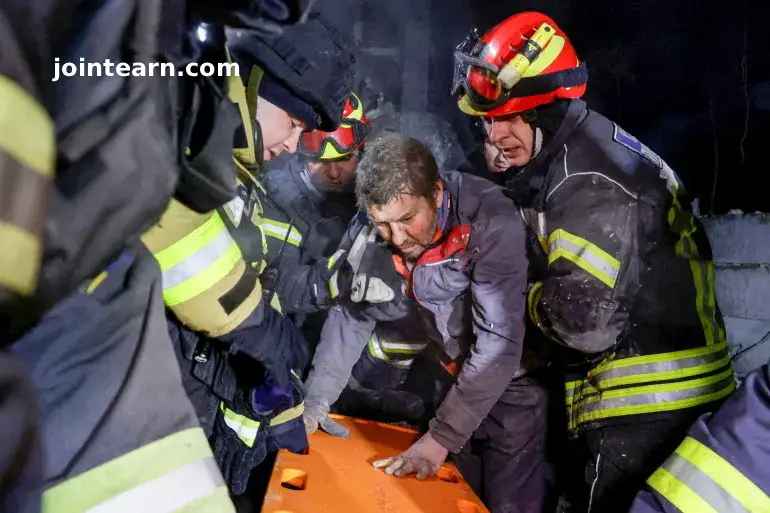
Kharkiv, Ukraine – At least four people were killed and six others wounded in a Russian drone attack on the northeastern Ukrainian city of Kharkiv on January 13, 2026, officials confirmed. The attack comes amid escalating tensions and renewed international concern over Russia’s military actions in Ukraine, just hours after the United States accused Moscow of “dangerous and inexplicable escalation” at the United Nations Security Council (UNSC).
Details of the Kharkiv Drone Strike
Kharkiv Regional Governor Oleh Syniehubov reported that the fatalities occurred on the outskirts of the city, located just 30 kilometers (19 miles) from the Russian border, a frequent target of missile and drone attacks. The attack struck both civilian and infrastructure sites, including a medical facility for children, which caught fire after the strike, according to Kharkiv Mayor Ihor Terekhov.
Rescue teams worked quickly to evacuate survivors from the debris, while emergency services responded to the fires and destruction caused by the long-range drone strike.
Impact on Ukrainian Infrastructure
The Russian attacks extended beyond Kharkiv. Ukrenergo, Ukraine’s national grid operator, reported emergency power cuts in Kyiv following overnight missile and drone strikes that damaged critical infrastructure. Details on the full extent of damage or the duration of outages remain limited.
Kyiv’s military administration head, Tymur Tkachenko, confirmed that the Ukrainian capital experienced a brief but intense barrage from Russian missiles. Witnesses reported hearing multiple explosions across the city. Ukrainian air defense units were deployed to intercept incoming threats, and according to Ukrainian Air Force reports, out of 293 drones and 18 missiles launched overnight, 240 drones and seven missiles were shot down.
International Response and UN Security Council Meeting
The attack occurred shortly after the United States accused Russia of escalating the conflict during an emergency UNSC meeting. Tammy Bruce, the US deputy ambassador to the UN, described Russia’s actions as “inexplicable” and warned that further escalation could intensify the war across Ukraine and neighboring regions.
“The moment calls for de-escalation,” Bruce said, highlighting the US’s push for a peaceful resolution. The US also expressed concern over Russia’s recent use of the nuclear-capable Oreshnik ballistic missile, which caused significant casualties and represented the second deployment of this missile in combat.
Ongoing Military Tensions and Ceasefire Challenges
The drone strike comes amid continued uncertainty over potential ceasefire agreements. Ukraine and its Western allies have recently discussed strategies to protect Ukrainian territory in the event of a truce, including proposals for France and the UK to deploy troops. Russia rejected these plans, warning that foreign military presence in Ukraine would constitute legitimate combat targets.
The Russian Ministry of Defence claimed that the Oreshnik missile strike last week targeted a Ukrainian aircraft repair plant in Lviv, near the Polish border, citing a recent alleged drone attack on President Putin’s residence as justification—a claim Kyiv and the United States have dismissed as inaccurate.
Civilian Toll and Humanitarian Concerns
Kharkiv has been a frequent target of Russian drone and missile attacks throughout the war. The city’s residents continue to face the threat of civilian casualties and infrastructural destruction, creating a humanitarian challenge for both local authorities and international aid organizations. Emergency services remain on high alert, while citizens cautiously attempt to resume daily life amid ongoing threats.
Conclusion: Peace Remains Elusive
The Russian drone attack on Kharkiv underscores the fragility of peace in Ukraine and the continuing challenges in securing a ceasefire. With both military and civilian infrastructure at risk, the conflict shows no immediate signs of abating. The international community continues to push for diplomatic solutions, but the risk of further escalation remains high as Russia and Ukraine exchange military strikes and political accusations.


Leave a Reply