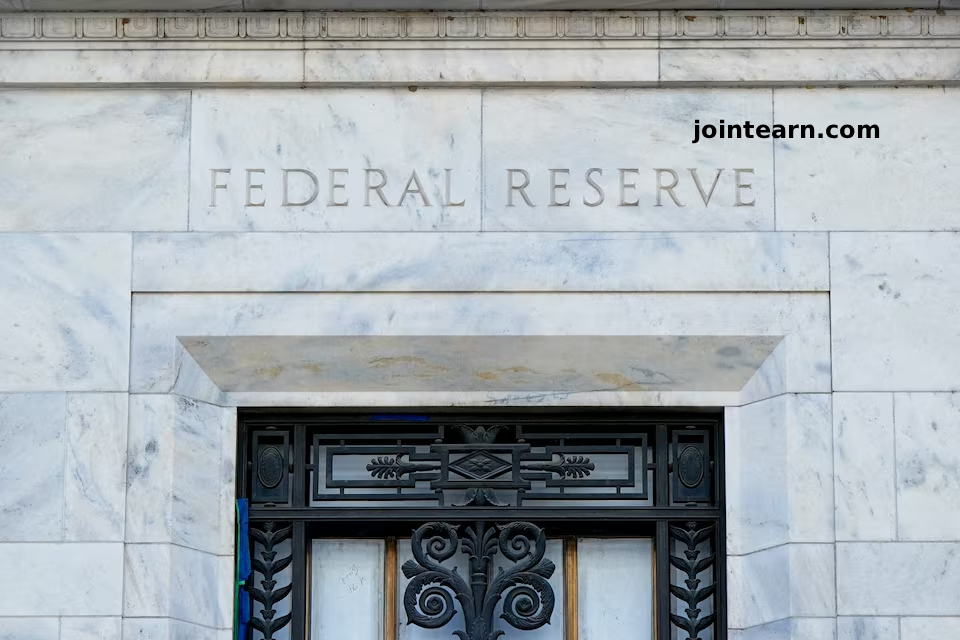
Inflation may not fall quickly enough for Federal Reserve Chair Jerome Powell to implement another interest-rate cut before his term concludes in May 2026, according to economists and market analysts. The latest consumer price index (CPI) data from the Bureau of Labor Statistics shows that consumer prices increased 2.7% in December year-on-year, in line with expectations but still above the Fed’s 2% target.
Market Expectations for Rate Cuts
Following the data release, traders are largely anticipating the next interest-rate cut in June, after Powell’s tenure ends. Financial markets continue to price in two rate cuts for 2026, although interest-rate futures indicate roughly a 40% probability of an April cut, slightly higher than the 38% previously recorded.
- Core CPI, which excludes food and energy, rose 2.6%, slightly below expectations, signaling a gradual disinflationary trend in the U.S. economy.
- Market participants are monitoring the Fed’s ability to balance inflation concerns with economic growth pressures as global and domestic risks persist.
Expert Commentary
Seema Shah, Chief Global Strategist at Principal Asset Management, commented:
“A disinflationary trend is gradually taking shape. As tariff pass-through effects become clearer and inflation concerns ease, the Fed is likely to shift towards a stance where one or two more cuts can be justified.”
Shah’s remarks underscore the cautious optimism among economists that inflation may gradually moderate, allowing the Fed to consider rate reductions later in the year.
Political Pressure and Federal Reserve Independence
The CPI data comes amid heightened political scrutiny of the Federal Reserve’s independence. In a rare and unprecedented move, the Trump administration subpoenaed Powell, creating concerns that the central bank’s decisions could be influenced by political considerations rather than purely economic ones.
- Powell and the Fed maintain that interest rate decisions should be based on economic fundamentals, not presidential directives.
- The Justice Department’s request prompted pushback from international central bankers and key U.S. lawmakers, including members of Trump’s own Republican party, emphasizing the importance of Fed independence in maintaining market confidence.
Implications for the U.S. Economy
If inflation remains above target, the Fed may delay additional cuts until after Powell’s term, potentially:
- Affecting borrowing costs for consumers and businesses
- Influencing equity and bond market performance
- Shaping expectations for monetary policy under the next Fed chair
Financial markets and investors are watching closely, balancing inflation trends, geopolitical uncertainties, and domestic political developments. Analysts note that the timing of rate cuts will have major implications for credit markets, investment decisions, and economic growth in 2026.


Leave a Reply