Washington, D.C., January 15, 2026 – Former U.S. President Donald Trump unveiled a new healthcare proposal, dubbed “The Great Healthcare Plan”, aiming to reduce costs and increase consumer choice. However, experts and lawmakers have raised concerns over the plan’s lack of a clear funding structure and an implementation timeline, leaving uncertainty about its impact on millions of Americans.
The announcement comes as many Americans face rising health insurance premiums, and Congress remains deeply divided over how to address subsidies under the Affordable Care Act (Obamacare).
Key Features of Trump’s Healthcare Plan
Trump’s healthcare framework introduces several major reforms:
- Direct Payments via Health Savings Accounts (HSAs) – Instead of government subsidies being paid directly to insurance companies, funds would go to consumers to purchase insurance or cover healthcare costs. Experts warn that while HSAs can benefit wealthier Americans, they may insufficiently support lower-income households, who often cannot fund the accounts adequately.
- Most-Favored-Nation (MFN) Drug Pricing – The plan seeks congressional approval to codify Trump’s MFN drug pricing strategy, aimed at lowering prescription costs by benchmarking U.S. drug prices against international standards.
- Expanded Over-the-Counter Access – Certain medications would be made available without a prescription, providing Americans with more flexible access to essential medicines.
- Transparency Requirements for Insurers and Providers – The plan mandates insurance companies and Medicare/Medicaid providers to publish:
- Claims denial rates and average wait times for routine care.
- Comparison of premiums paid versus profits and administrative costs.
- Prices and fees in plain English, making coverage costs easier to understand.
- Insurance Cost-Sharing Reduction Program – The plan proposes a program to reduce premiums on common Obamacare plans by more than 10 percent, primarily targeting lower-tier bronze and catastrophic plans.
Funding and Implementation Concerns
Despite the ambitious framework, the White House has not outlined the total funding, the exact payment amounts for consumers, or which Americans would qualify for direct payments. White House Press Secretary Karoline Leavitt emphasized that all Americans would see lower costs but did not provide details on financial feasibility.
“These are common-sense actions that make up President Trump’s great healthcare plan, and they represent the most comprehensive and bold agenda to lower healthcare costs to have ever been considered by the federal government,” Leavitt said.
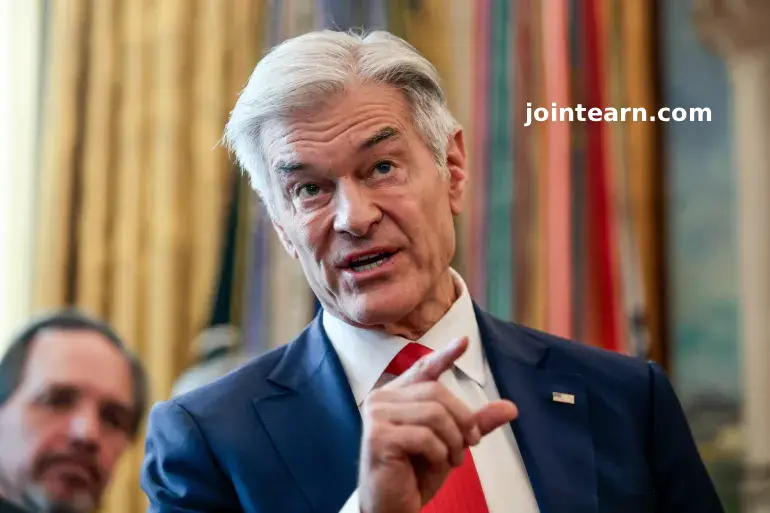
US Centers for Medicare & Medicaid Services (CMS) Administrator Mehmet Oz also highlighted the plan’s goals, stating it would strengthen competition, increase price transparency, and reduce unnecessary doctor visits. However, he acknowledged that Congress has yet to pass any legislation to implement the plan, and a divided legislature could slow progress significantly.
The Affordable Care Act and Subsidy Challenges
Trump’s plan comes as millions of Americans face higher healthcare costs under Obamacare, with the average premium rising from $888 in 2025 to $1,904 in 2026, according to the Kaiser Family Foundation (KFF). The White House aims to replace expired federal subsidies with direct consumer payments, a move opposed by some Democrats and certain Republicans.
Bipartisan negotiations continue in Congress over whether to retroactively restore COVID-era ACA tax credits, which could partially offset premium increases. Trump has suggested he may veto any extension of existing subsidies, further complicating prospects for swift healthcare reform.
Reactions from Experts and the Market
Healthcare analysts have expressed skepticism about the feasibility of Trump’s proposal, particularly regarding its impact on lower-income Americans and the uninsured. Experts note that while HSAs can reduce costs for wealthier populations, they may not provide adequate coverage for those with high medical needs.
On financial markets, healthcare insurance provider stocks responded positively:
- UnitedHealthcare: +0.8%
- Humana: +3.5%
- Oscar Health: +6.4%
Conversely, pharmaceutical stocks dropped, reflecting concerns over price controls and expanded over-the-counter availability:
- Eli Lilly: -3.7%
- AbbVie: -1.9%
- Bristol Myers-Squibb: -0.9%
- Johnson & Johnson: +0.3%
Challenges Ahead
Trump’s new proposal faces several hurdles:
- Legislative Approval – With Congress deeply divided, passing comprehensive healthcare reform remains uncertain.
- Funding Clarity – Without specified funding or eligibility criteria, the plan’s financial sustainability is unclear.
- Impact on Vulnerable Populations – Experts warn that the plan may disproportionately favor higher-income Americans who can contribute to HSAs.
- Interaction with Existing Programs – The plan’s relationship to Medicaid, Medicare, and Obamacare subsidies remains undefined.
Conclusion: Ambitious but Uncertain
While “The Great Healthcare Plan” promises lower costs, increased transparency, and more consumer choice, the absence of detailed funding mechanisms, a timeline for implementation, and bipartisan support raises significant questions about its effectiveness.
Millions of Americans awaiting affordable coverage and predictable costs will likely watch closely as lawmakers debate the feasibility and scope of the proposed reforms. Meanwhile, insurers and pharmaceutical companies navigate the market implications of Trump’s policy, reflecting the high stakes of healthcare reform in the United States.


Leave a Reply