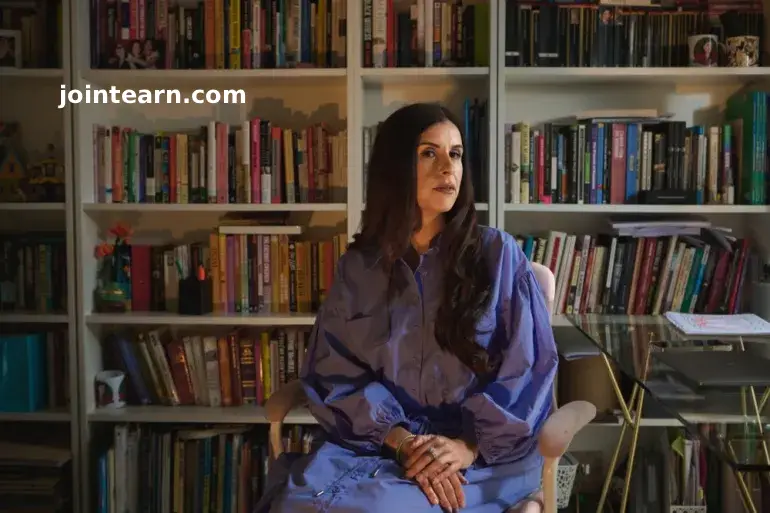
In a landmark reversal, the Adelaide Festival board has issued a public apology to Palestinian-Australian author Randa Abdel-Fattah after initially excluding her from participating in Adelaide Writers’ Week, triggering a mass boycott by more than 180 prominent local and international writers.
Festival Board Retracts Decision
On Thursday, the Adelaide Festival board announced it was retracting its earlier decision to exclude Abdel-Fattah from the festival lineup. The statement confirmed that the author’s invitation would be reinstated for Adelaide Writers’ Week 2027. The board offered an unreserved apology for the harm caused, emphasizing the importance of intellectual and artistic freedom.
“Intellectual and artistic freedom is a powerful human right,” the board said, acknowledging that it had fallen “well short” in protecting that principle.
Randa Abdel-Fattah, an award-winning novelist, lawyer, and sociologist, welcomed the apology. She said it represents recognition of her right to speak publicly about the atrocities committed against Palestinians and affirmed the collective power of solidarity in combating anti-Palestinian racism, bullying, and censorship.
“I accept this apology as acknowledgement of our right to speak publicly and truthfully about the atrocities that have been committed against the Palestinian people,” Abdel-Fattah said in a statement shared on social media. She added that she would participate “in a heartbeat” if Louise Adler, who resigned as director of the festival in protest, were in charge again.
The Boycott and Festival Cancellation
The controversy began when the festival board overruled Adler’s invitation to Abdel-Fattah, citing concerns about freedom of expression following Australia’s deadliest terror attack in history, the Bondi Beach shooting in December 2025. In that attack, 15 people were killed at a Jewish celebration, with the perpetrators reportedly inspired by ISIL (ISIS).
The board initially claimed the decision was “not about identity or dissent” but about navigating public discourse in the aftermath of the attack. However, the move sparked outrage among the literary community.
At least 180 writers withdrew from this year’s Writers’ Week in solidarity with Abdel-Fattah, forcing the festival to cancel its entire programme. The list of withdrawing authors included internationally renowned writers such as Zadie Smith, Masha Gessen, Yanis Varoufakis, and Helen Garner, as well as former New Zealand Prime Minister Jacinda Ardern.
Louise Adler, who resigned in protest, criticized the festival board’s lack of arts experience and its insensitivity to moral and ethical concerns. Writing in The Guardian, Adler highlighted the dangers of boards overruling artistic judgment and pointed to broader societal trends where protests are being curtailed, free speech constrained, and political decisions rushed in response to tragic events.
Abdel-Fattah’s Statement on Freedom and Accountability
Abdel-Fattah emphasized that the incident exposed systemic issues in public institutions, including the urgent need for anti-racism education and safeguards against political interference by lobbyists. She said the apology from the board was an important acknowledgment of the right to speak freely about Palestine and a vindication of collective activism against censorship and discrimination.
The author has not yet decided whether she will participate in the 2027 festival but made clear that her decision will take into account the leadership and moral integrity of the festival’s organizers.
Broader Implications for Artistic Freedom
The Adelaide Writers’ Week controversy has sparked wider debates in Australia about the intersection of politics, free expression, and artistic programming. Critics argue that political and social pressures should not override the principle of freedom of expression, especially in literary and cultural institutions.
Adler warned that the cancellation of protests and restriction of free speech in response to national tragedies could set a dangerous precedent, noting the irony of censoring Palestinian voices in a country that values democratic freedoms.
The festival board’s apology and commitment to reinstating Abdel-Fattah’s participation in 2027 represents a significant victory for writers’ rights and artistic freedom, while also underscoring the influence of collective action and solidarity in defending marginalized voices.


Leave a Reply