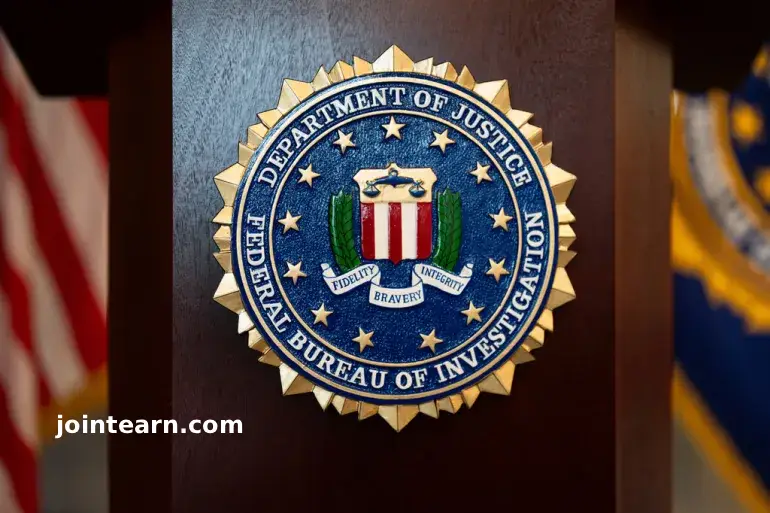
Washington, D.C. – January 15, 2026 – The Federal Bureau of Investigation (FBI) raided the home of Washington Post reporter Hannah Natanson on Wednesday, seizing her work and personal electronics, including laptops, her phone, and a Garmin watch. The raid, conducted as part of an investigation into a government contractor handling classified materials, has raised alarm among press freedom advocates and constitutional experts.
The operation has sparked debate over the balance between national security and press freedom, with media organizations warning that it sets a dangerous precedent for journalists reporting on sensitive government activities.
Context: The Investigation
According to federal authorities, the raid is connected to Aurelio Perez-Lugones, a government contractor accused of illegally retaining and sharing classified US intelligence documents. Prosecutors allege that Perez-Lugones took screenshots and printed reports while working for a Maryland-based contractor. Investigators also reportedly found classified documents in his car and basement.
The Trump administration claimed that Perez-Lugones contacted Natanson to leak the classified materials, prompting the Department of Justice to request the search warrant. Attorney General Pam Bondi stated:
“The Department of Justice and FBI executed a search warrant at the home of a Washington Post journalist who was obtaining and reporting classified and illegally leaked information from a Pentagon contractor. The leaker has been arrested. The Trump administration will not tolerate illegal leaks of classified information that pose a grave risk to national security.”
White House Press Secretary Karoline Leavitt echoed the sentiment online, emphasizing that President Trump has “zero tolerance” for leaks.
Concerns from Press Freedom Groups
Despite government assurances that Natanson was not the target of the investigation, media advocates have condemned the raid as aggressive and unprecedented.
- Washington Post executive editor Matt Murray described the seizure of her work materials as “extraordinary” and raising profound constitutional concerns about press protections.
- Reporters Without Borders (RSF) and the Committee to Protect Journalists (CPJ) highlighted that raids of this nature could chill investigative reporting, especially when journalists work with whistleblowers in national security or government accountability.
Katherine Jacobsen of CPJ said:
“Using the FBI – funded by American taxpayers – to seize a reporter’s electronic devices, including her official work laptop, is a blatant violation of journalistic protections and undermines the public’s right to know.”
The raid follows Natanson’s reporting on the Trump administration’s efforts to slash the federal workforce and align nonpartisan employees with political goals, as well as coverage of US military actions in Venezuela, including the January 3 abduction of President Nicolas Maduro.
Legal and Constitutional Implications
The raid raises questions about the protections afforded to journalists under the First Amendment, especially in cases involving sensitive national security matters. Legal experts warn that such actions can threaten whistleblower anonymity, discouraging government employees from sharing critical information with the press.
Historically, federal law includes safeguards to protect journalists from being treated as criminal targets when reporting on leaks or classified information. However, the Natanson raid may signal a shift in enforcement under the Trump administration, emphasizing aggressive prosecution of leaks even when journalists are involved.
National Security vs. Public Interest
The government maintains that the seizure was necessary to prevent further unauthorized dissemination of classified material. Yet critics argue that investigative journalism serves the public interest, ensuring transparency in government operations, particularly in areas such as:
- National security policies
- Military actions abroad
- Executive branch accountability
Natanson’s reporting on the Trump administration’s military operations in Venezuela and other sensitive topics illustrates the tension between government secrecy and press freedom.
Reactions and Wider Implications
The raid has sparked widespread concern among journalists and civil liberties advocates:
- Media organizations stress that it may create a chilling effect on investigative reporting.
- Legal scholars warn that repeated enforcement actions against reporters could weaken constitutional safeguards.
- Public discourse around government transparency and national security is expected to intensify, particularly given ongoing tensions between the Trump administration and the press.
What’s Next
As investigations into Perez-Lugones and the handling of classified materials continue, press freedom groups will likely monitor whether the government returns Natanson’s seized equipment and respects journalistic protections. The case may also prompt calls for legislative reforms to clarify the limits of federal authority in conducting searches of journalists’ homes and equipment.
For journalists covering sensitive topics, the Natanson raid serves as a stark reminder of the risks of reporting on national security and government misconduct in the United States today.


Leave a Reply