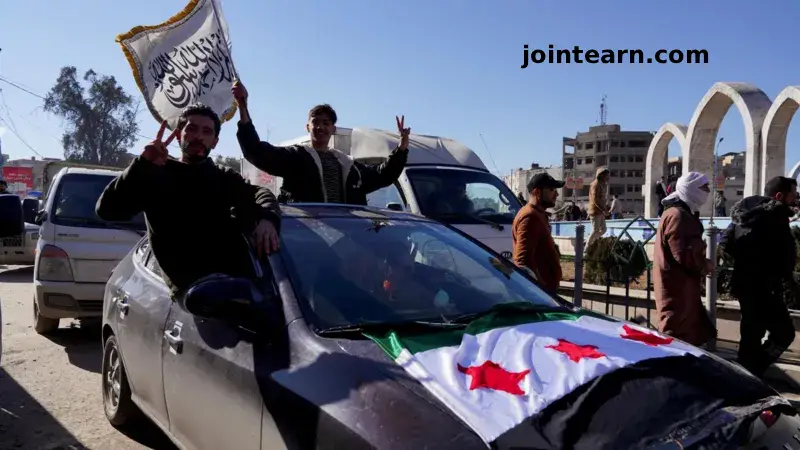
Fresh clashes erupted in north-eastern Syria just a day after a 14-point ceasefire agreement between the Syrian government and the Kurdish-led Syrian Democratic Forces (SDF) was signed. The agreement, aimed at ending nearly two weeks of intense fighting, grants the Syrian state control over much of the previously autonomous Kurdish region while integrating SDF fighters into government institutions.
Despite hopes for stability, reports indicate that fighting continues around key towns and strategic sites, including oil-rich regions and former Islamic State (IS) detention facilities.
Details of the Ceasefire Agreement
The ceasefire deal, signed on Sunday, includes the following major provisions:
- SDF Withdrawal – The SDF will pull back from Raqqa and Deir al-Zour provinces.
- Integration into State Institutions – Kurdish forces will be absorbed individually into the Syrian ministries of defense and interior, rather than as autonomous units.
- Government Control of Strategic Assets – All border crossings, oil and gas fields, prisons, and IS camps will now be administered by the Syrian government.
- Recognition of Kurdish Rights – A presidential decree acknowledges Syrian Kurds as an integral part of the Syrian people, grants Kurdish as a national language, recognizes cultural and civil rights, and makes Nowruz a paid national holiday.
- PKK Expulsion – All non-Syrian members of the Kurdistan Workers’ Party (PKK) must leave the region.
- Continued Anti-IS Efforts – Syria reaffirms its participation in the US-led coalition against IS.
President Ahmed al-Sharaa hailed the agreement as a “victory for all Syrians,” claiming it would allow the state to reunify and stabilize the country, bringing government institutions into all territories.
Immediate Clashes After the Ceasefire
Despite the agreement, Syrian government forces reported that they had entered Shaddadi, in Hassakeh province, after alleging that the SDF had released detained IS members from a local prison. Government sources claimed attempts to coordinate a handover failed, prompting security operations to contain escaped prisoners.
The SDF countered, saying Shaddadi prison had “fallen outside our control” following repeated attacks by factions aligned with Damascus. The clashes reportedly resulted in dozens of SDF casualties, while nine fighters were killed in confrontations near al-Aqtan prison in Raqqa.
Separately, Syrian authorities reported that three soldiers were killed in attacks by “terrorist groups” in the north-eastern Jazira region. The government accused PKK affiliates of attempting to disrupt the ceasefire.
SDF Reaction
SDF commander Mazlum Abdi stressed that the ceasefire was accepted to stop the bloodshed:
“This war was imposed on us. We wanted to prevent it, but unfortunately, because it was planned by many forces, it was imposed on us.”
Abdi indicated that he would travel to Damascus to discuss implementation details and clarify the terms of integration for SDF forces.
The agreement is widely seen as a major setback for Kurdish autonomy, which was gained during the fight against IS in Syria.
Civilian Perspective
Civilians welcomed the potential for stability. Safia Keddo, a local teacher, told AFP:
“The past few years have been very difficult… Today we must turn the page. We want children to return to school without fear, and for electricity, water, and bread to be restored. We’re not asking for a miracle; we just want stability and a normal life.”
Government forces have been deploying to Deir al-Zour and other key areas, including large movements of military vehicles across the Euphrates River, in an effort to enforce security and prevent further disruption.
Strategic and Economic Implications
The SDF’s withdrawal allows Syria to regain control over key oil and gas fields, including the al-Omar oil field, which is critical to the country’s energy infrastructure.
President Sharaa emphasized the unacceptability of militia control over a quarter of the country’s territory and strategic resources, underlining the Syrian government’s push for centralized authority.
International Reaction
US Special Envoy Tom Barrack described the agreement as a pivotal moment:
“Former adversaries embrace partnership over division. The United States stands firmly behind this process at every stage, as we safeguard our vital national security interests in defeating IS remnants and advance President Trump’s bold Middle East Peace Plan.”
The deal follows months of stalled negotiations over a March 2025 integration plan, with both sides previously accusing each other of deliberate delays.
Key Takeaways
- A 14-point ceasefire between Syria and the Kurdish-led SDF was signed on Sunday but clashes continue in key areas.
- The deal involves SDF withdrawal, integration into state institutions, and government control of oil fields, border crossings, and prisons.
- The agreement recognizes Syrian Kurds as a national community, including cultural and civil rights protections.
- SDF commanders emphasize the ceasefire was accepted to prevent further bloodshed.
- Civilians hope the deal will restore stability, essential services, and normal life.
- The US and Syrian authorities see the agreement as a strategic turning point in ending divisions and consolidating state control.


Leave a Reply