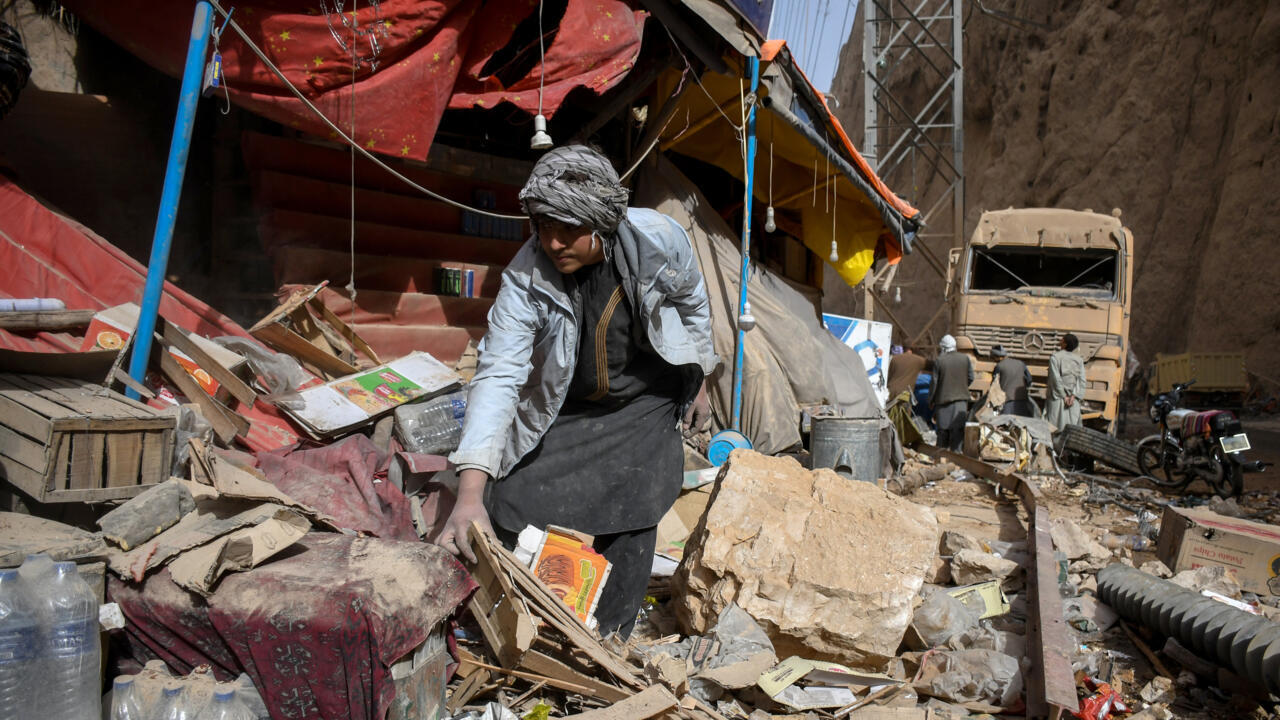
The 6.3 magnitude quake is the latest in a series of devastating natural disasters, highlighting Afghanistan’s ongoing humanitarian crisis
A powerful magnitude 6.3 earthquake struck northern Afghanistan near the historic city of Mazar-i-Sharif early Monday morning, killing at least 20 people and injuring more than 320, according to official preliminary reports. The quake, which struck at 12:59am local time (20:29 GMT on Sunday), has triggered urgent concerns for the region’s already vulnerable population.
Afghanistan’s Deadly Earthquake Strikes Again
This recent earthquake adds to a growing list of natural disasters that have battered Afghanistan since the Taliban regained power in 2021, testing the country’s strained capacity to respond as international aid dwindles. Just two months prior, a powerful quake in eastern Afghanistan killed more than 2,000 people.
The United States Geological Survey (USGS) measured Monday’s quake at a depth of 28km (17 miles), with an “orange alert” issued on its PAGER system, warning of significant casualties and widespread destruction.
Destruction in Mazar-i-Sharif and the Blue Mosque
Early visuals and reports confirm that several buildings collapsed or sustained heavy damage, including a portion of the iconic Blue Mosque of Mazar-i-Sharif. The famous religious landmark, also known as the Shrine of Hazrat Ali, suffered structural damage, according to Balkh province spokesperson Haji Zaid.
The provincial capital of Balkh, home to roughly 523,000 people, was panic-stricken as residents fled their homes in the dark out of fear of aftershocks and further collapses.
Aftershocks and Widespread Fear
Samira Sayed Rahman, a spokesperson for <i>Save the Children</i>, described the quake as extremely strong:
“In Kabul, it felt incredibly strong. It was one of the most terrifying earthquakes I have experienced, and the aftershocks have left people deeply shaken,” she told Al Jazeera.
This sense of fear was amplified by memories of previous earthquakes, including a deadly 6.0 magnitude quake that struck eastern Afghanistan in August 2025, killing more than 2,200 people — the deadliest natural disaster in the country’s recent history.
Humanitarian Concerns Amid Ongoing Crises
Afghanistan continues to face severe economic, political, and climate-related challenges. With foreign aid significantly reduced since the Taliban takeover, recovery and rescue efforts have grown increasingly difficult. Shoddily built homes and damaged infrastructure leave many communities highly vulnerable to natural disasters such as earthquakes.
Compounding the crisis, Afghanistan is dealing with severe drought, worsening poverty, and hundreds of thousands of returning refugees forced out by neighboring countries like Pakistan and Iran.
Since 1900, Afghanistan has experienced more than a dozen major quakes exceeding magnitude 7, particularly in the Hindu Kush region, where the Indian and Eurasian tectonic plates meet — making it one of the most earthquake-prone areas in the world.
Urgent Rescue and Relief Efforts Underway
Afghanistan’s National Disaster Management Authority said damage assessments and casualty updates are still being gathered. As rescue workers dig through the rubble, local hospitals are overwhelmed with the injured, and humanitarian groups are calling for global attention to prevent further catastrophe.


Leave a Reply