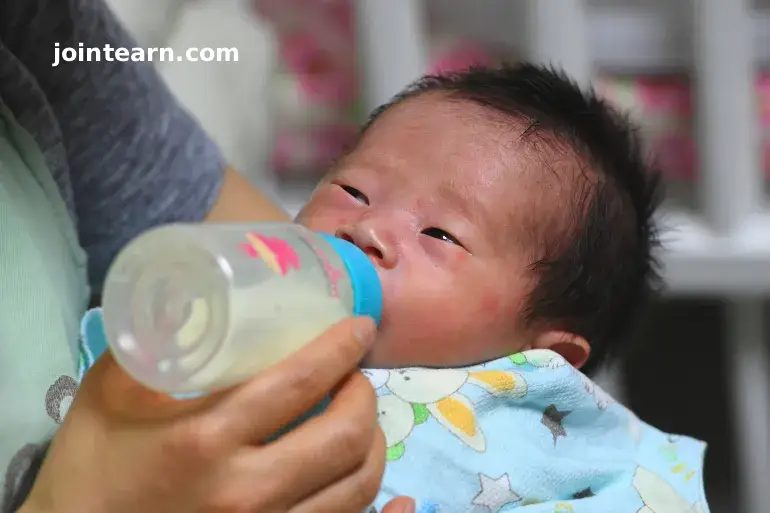
Geneva/Nairobi – Swiss food giant Nestlé is facing fresh scrutiny over its infant cereals in Africa, as a new report alleges the company is adding sugar to products marketed on the continent while selling sugar-free equivalents in Europe. Critics say this constitutes “double standards” that put babies’ health at risk for profit.
Public Eye Report Highlights Sugar Content
The NGO Public Eye, which monitors human rights and corporate practices, analysed nearly 100 samples of Nestlé’s Cerelac baby cereals sold in 20 African countries. Findings reveal that 90% of products contained added sugar, averaging nearly six grams per serving, equivalent to around 1.5 sugar cubes. The highest level detected—7.5 grams per serving—was in a product sold in Kenya for six-month-old infants.
By contrast, Cerelac products sold in Switzerland, Germany, and the UK contain zero added sugar, consistent with World Health Organization (WHO) 2022 guidelines, which warn that early sugar exposure can encourage lifelong preference for sweet foods and increase obesity risk.
Civil Society Groups Demand Action
In an open letter to Nestlé CEO Philipp Navratil on November 17, 19 Africa-based civil society organizations called for an end to sugary baby foods on the continent. The groups said:
“If added sugar is not suitable for Swiss and European children, it is not suitable for children in Africa and beyond. All babies have an equal right to healthy nutrition – regardless of their nationality or skin color.”
The organizations accused Nestlé of prioritizing profit over children’s welfare, calling for immediate corrective action.
Nestlé Responds
Nestlé denied wrongdoing, stating that Public Eye’s report contains “misleading and unfounded allegations.” A company spokesperson told Al Jazeera:
“We do not have double standards. Our approach to nutrition is consistent across all countries. Nestlé is committed to the wellbeing of children everywhere.”
The company said both sugar-added and sugar-free variants are available in Africa, and 97% of Nestlé markets now offer no-added-sugar options, with plans to reach 100% by the end of 2025.
Nestlé also emphasized that under-nutrition, not obesity, remains the most urgent health challenge in Africa, and that all products meet strict nutritional and safety standards.
Rising Childhood Obesity in Africa
Childhood obesity is increasingly a concern in Africa, where the number of overweight children under five has nearly doubled since 1990, according to the WHO. Many countries face a “double burden”, with obesity and malnutrition occurring side by side.
The Public Eye investigation noted that the sugar levels in African Cerelac products are 50% higher than those previously reported in Asia and Latin America and double that of products in India, the largest market for Cerelac worldwide.
Nestlé said it had requested details of Public Eye’s methodology and analyses but had not yet received the data. The company has previously introduced 14 new no-added-sugar Cerelac variants in India in response to earlier criticism.
Consumer Safety and Future Actions
Cerelac, one of Africa’s most popular baby cereals, is marketed as “specially designed to meet the nutritional needs” of infants. Nestlé reiterated that while obesity is rising in some African countries—currently affecting 5% of children under five—its products maintain nutritional quality across all regions.
However, civil society groups remain critical, insisting:
“By adding sugar to infant cereals, Nestlé is deliberately putting the health of African babies at risk for profit. This must end—now.”


Leave a Reply