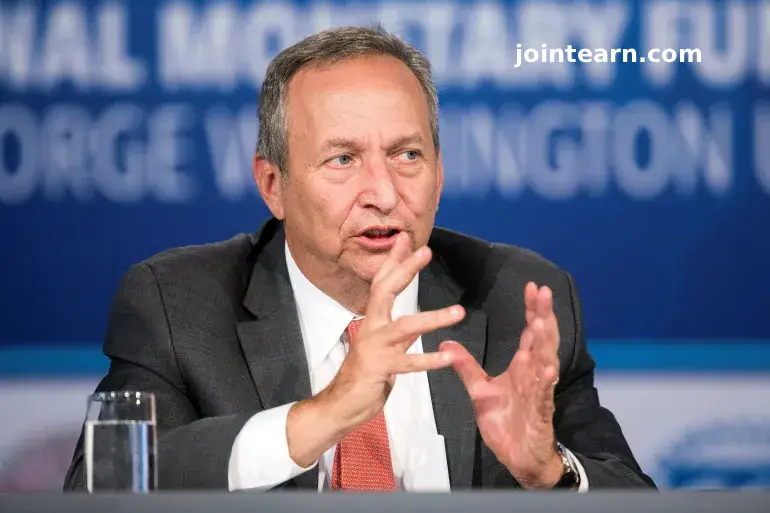
Former Harvard University president Larry Summers has publicly apologized and announced he will step back from public life after private email exchanges with the disgraced financier and convicted sex offender Jeffrey Epstein were recently made public. The revelation has ignited renewed scrutiny over Summers’ professional and personal interactions with Epstein.
Larry Summers’ Public Apology
In a statement released via CBS News, Summers expressed deep regret over his actions, stating:
“I am deeply ashamed of my actions and recognize the pain they have caused. I take full responsibility for my misguided decision to continue communicating with Mr. Epstein.”
Summers also confirmed that while he will continue fulfilling his teaching responsibilities at Harvard, he plans to step back from public engagements as part of his effort to rebuild trust and repair relationships.
The Emails: A Window Into Summers’ Correspondence With Epstein
The emails were included in the 20,000 pages of documents obtained from Epstein’s estate and recently released by the United States House Committee on Oversight. These emails shed light on Summers’ interactions with Epstein between 2017 and 2019, covering topics from U.S. foreign policy to Donald Trump’s presidency, as well as personal matters.
Key Details From the Emails:
- In a 2017 email, Summers advised Epstein on how billionaire Thomas Barrack Jr. should handle media scrutiny, calling potential press coverage “a staggering [expletive] show.”
- In December 2018, Summers asked Epstein for assistance in securing an invitation to the World Economic Forum in Davos, which Epstein declined.
- The emails also revealed Summers’ controversial views on women, echoing earlier remarks that led to his resignation from Harvard in 2006.
Summers’ Career and Background
Larry Summers is no stranger to public scrutiny. His career highlights include:
- U.S. Treasury Secretary under President Bill Clinton
- Economic adviser to President Barack Obama
- Harvard University president (2001–2006), resigning after controversial comments about gender and science
- Board member at OpenAI and distinguished senior fellow at the Center for American Progress
Despite stepping down from Harvard’s presidency, Summers maintained his tenured professor status.
Controversial Email Content and Public Reaction
The emails show that Summers retained some of his previously criticized beliefs about women more than a decade after leaving Harvard. Examples include:
- A 2017 email commenting on gender representation, stating he “observed that half the IQ in the world was possessed by women” without noting they represent over 51% of the population.
- A 2017 email expressing frustration with public backlash during the #MeToo movement, comparing sexual misconduct cases to more severe crimes.
- Email exchanges in late 2018 discussing a personal relationship with a female colleague, including comments about “cooling off” periods and personal impressions.
These revelations have sparked debates on ethics, professional conduct, and accountability in elite academic and political circles.
Background on Jeffrey Epstein
Jeffrey Epstein was a financier convicted in 2008 for soliciting prostitution from a minor, serving only 13 months in prison. He was awaiting trial on sex trafficking charges at the time of his suicide in August 2019.
Epstein was known for his high-profile connections, maintaining contact with world leaders, celebrities, and influential figures including Larry Summers.
Implications and Future of Summers’ Public Engagements
Following the email revelations, Summers has committed to focusing on:
- Teaching at Harvard University
- Reducing public appearances and board commitments
- Repairing personal and professional relationships
The fallout from these emails is expected to continue, raising questions about ethics, accountability, and the influence of elite networks.


Leave a Reply