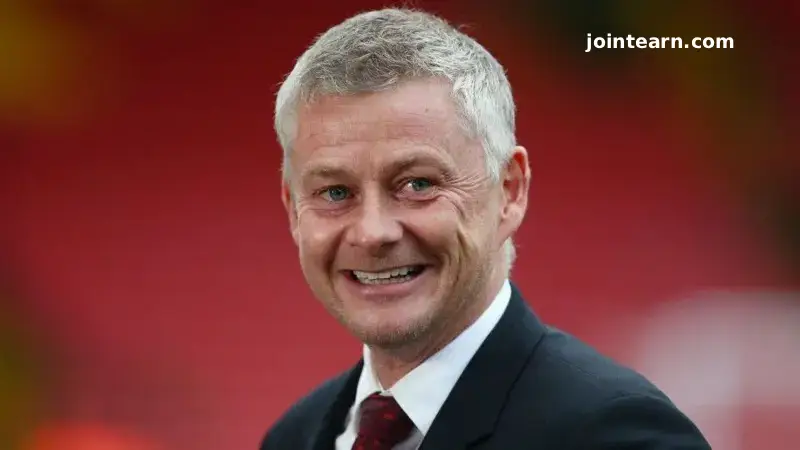
Manchester United’s recent stoppage-time equaliser at Tottenham Hotspur extended their unbeaten run to five matches, lifting optimism around Old Trafford. Yet it is worth pausing to reassess Ole Gunnar Solskjaer’s tenure as manager, which ended amid criticism but also notable achievements.
Early Success and Positive Impact
When Solskjaer took over as interim manager in December 2018 following Jose Mourinho’s dismissal, there was skepticism about his appointment. After stints with Molde, where he won the Norwegian league, and Cardiff, where he experienced relegation, many believed Solskjaer was fortunate to receive the role.
Despite this, Solskjaer quickly made an impact, reviving the morale of a disheartened club. His optimism and attention to detail—small gestures like greeting staff and fostering inclusivity—helped rebuild the positive culture at Manchester United.
“He is absolutely far better than many people give him credit for,” said a source familiar with Solskjaer’s tenure.
The team responded, winning eight consecutive matches early in his tenure and 14 out of his first 17 games, including a dramatic 2-1 victory over Paris Saint-Germain, securing a place in the Champions League quarter-finals.
Solskjaer’s Managerial Record
Solskjaer went on to win 91 of 168 matches, achieving a 54.2% win rate. Under his management, United recorded consecutive league finishes of third and second, the club’s highest since Sir Alex Ferguson retired. Additionally, United reached five semi-finals out of six cup competitions during his full campaigns, narrowly missing out on trophies such as the 2021 Europa League, which they lost on penalties to Villarreal.
Critics argue the absence of silverware defines his tenure, but insiders point to his man-management skills, coaching philosophy, and ability to restore club culture as notable strengths.
Challenges and Controversies
Solskjaer faced significant challenges, particularly after the high-profile return of Cristiano Ronaldo in 2021. While Ronaldo boosted morale and star power, integrating him disrupted a system that relied on team pressing and defensive discipline.
The final blow came in a period of poor results, including a 5-0 home defeat to Liverpool and a 4-1 loss at Watford. This led to his dismissal, although interim managers Michael Carrick and Ralf Rangnick quickly stabilised results with the same squad, prompting debate over whether Solskjaer could have achieved similar outcomes given more time.
“The scoreline suggested everything had gone wrong. It hadn’t, but that is when you need backing,” said a dressing room source.
Solskjaer’s Legacy
While Solskjaer did not win silverware, his contributions to restoring optimism, discipline, and a positive club culture cannot be understated. From implementing standards in dress codes and canteen access to boosting team morale, Solskjaer left a lasting impact on Manchester United’s environment.
His philosophy mirrored elements of Carlo Ancelotti, emphasising observation and man-management over constant hands-on coaching. Many players reportedly wanted to play for him, reflecting the trust and loyalty he cultivated during his tenure.
“Ole was brilliant at man-managing the players. The culture was incredible. He was a confidante,” said an insider.
Key Takeaways
- Ole Gunnar Solskjaer managed Manchester United from December 2018 to November 2021.
- Won 91 of 168 matches (54.2% win rate), with consecutive league finishes of third and second.
- Reached five semi-finals in six cup competitions, narrowly missing trophies.
- Known for restoring morale, culture, and optimism at Old Trafford.
- Faced challenges integrating high-profile signings like Cristiano Ronaldo, contributing to his dismissal.
- Solskjaer’s legacy lies in man-management and long-term impact rather than immediate silverware.


Leave a Reply