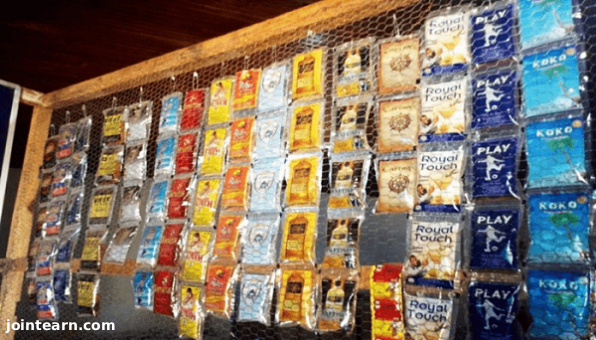
The Coalition for Healthy Food Advocacy (CHFA) has expressed full support for the National Agency for Food and Drug Administration and Control (NAFDAC) ahead of its December 2025 ban and January 2026 enforcement of the nationwide restriction on sachet and small-volume alcoholic beverages.
The coalition urged manufacturers, distributors, retailers, and market associations to comply with the directive and called on security agencies and state governments to assist NAFDAC in monitoring markets, stopping illegal production, and preventing banned products from returning to circulation.
CHFA also emphasised the need for sustained public awareness so Nigerians understand the health implications behind the policy.
According to the group, the ban is a crucial step toward protecting children, reducing non-communicable diseases, and improving Nigeria’s overall food environment. It warned that cheap, high-strength sachet alcohol—often sold in markets where age restrictions are poorly enforced—poses serious risks, particularly to young people and low-income communities.
The coalition recalled that the enforcement is the culmination of a five-year moratorium agreed upon in 2018 by NAFDAC, the Federal Ministry of Health, the Federal Competition and Consumer Protection Commission, and beverage manufacturers. The transition period was intended to give producers time to phase out high-risk packaging formats.
CHFA said community evidence shows that sachet alcohol has contributed to addiction, early alcohol exposure, violence, and worsening social and economic conditions, particularly in vulnerable neighbourhoods.
It noted that alcohol misuse is linked to more than 200 disease and injury conditions, including liver disease, hypertension, stroke, cancers, and complications for people with diabetes. Small sachets and mini-bottles, the group added, often contain high alcohol concentrations and enable quick consumption, encouraging binge drinking and increasing the risk of poisoning, unsafe sexual behaviour, road crashes, and premature death.
Beyond health concerns, the coalition highlighted alcohol’s impact on diet and nutrition, noting that it can displace healthy foods, affect nutrient absorption, and aggravate sodium, fat, and sugar intake—undermining ongoing national nutrition initiatives such as sodium reduction, trans-fat elimination, and Front-of-Pack Labelling.
The economic toll of harmful alcohol use, CHFA stated, outweighs the revenue it generates. The group cited rising healthcare costs, productivity losses, and social disruption as reasons stronger regulation is needed to protect Nigeria’s human capital.
Executive Director of Corporate Accountability and Public Participation Africa, Akinbode Oluwafemi, stressed that many communities have suffered from alcohol-related violence and addiction, saying public health must take precedence over profit. He encouraged industry stakeholders to support the ban.
Dr. Jerome Mafeni, Lead Technical Advisor at the Network for Health Equity and Development and CHFA Secretariat Lead, added that eliminating sachet alcohol aligns with broader efforts to prevent hypertension, diabetes, and cardiovascular diseases. A healthier population, he said, is essential for national development.
CHFA concluded that removing sachet alcohol from circulation is a vital step toward creating a safer, healthier, and more productive Nigeria.


Leave a Reply