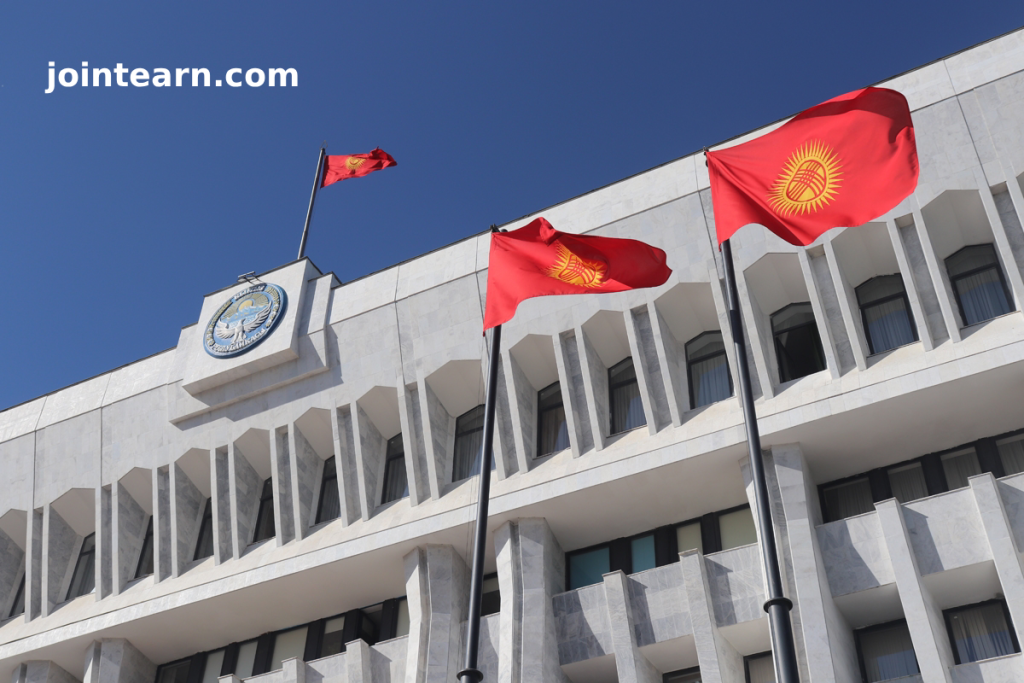
Bishkek, Kyrgyzstan – November 22, 2025 – Kyrgyz law enforcement authorities conducted a series of arrests, searches, and interrogations targeting opposition figures and journalists on Saturday, amid a government investigation into alleged calls for mass unrest. The actions come just days ahead of a snap parliamentary election scheduled for November 30, which is expected to consolidate the power of President Sadyr Japarov.
While officials denied any direct link between the detentions and the upcoming vote, the crackdown has drawn international attention, as Kyrgyzstan has historically been one of Central Asia’s most democratic nations. Critics describe the recent measures as politically motivated repression, reflecting growing restrictions on freedom of expression and dissent under Japarov’s administration.
Targets Include Former President’s Allies
Several individuals targeted in the crackdown are closely associated with former president Almazbek Atambayev, who led Kyrgyzstan from 2011 to 2017 and currently resides in exile in Spain. Reports indicate that Atambayev’s wife and son were summoned for interrogation, while a number of former lawmakers aligned with the ex-president were detained. These actions have fueled concerns about the use of legal mechanisms to suppress political opposition ahead of key elections.
In late October, a Kyrgyz court labeled three major independent media outlets as “extremist organizations”, effectively banning their operations. Human rights groups have described the move as placing unprecedented pressure on journalists, signaling an erosion of press freedom in the country. Observers say the measures contribute to an environment where opposition voices are increasingly marginalized.
Election Context and Economic Considerations
Parties loyal to President Japarov are widely expected to perform strongly in the upcoming parliamentary elections. Japarov, a populist and nationalist, has overseen a rapidly growing economy, partly driven by Kyrgyzstan’s role in facilitating imports to Russia in response to Western sanctions over the Ukraine war. His administration has leveraged economic growth and nationalist rhetoric to consolidate political influence, raising concerns about the future of democratic institutions in Kyrgyzstan.
The snap elections and ongoing detentions highlight the tension between political consolidation and democratic governance in the country. Analysts warn that these developments could further weaken checks and balances, while international human rights observers continue to monitor restrictions on political activity and press freedoms.


Leave a Reply