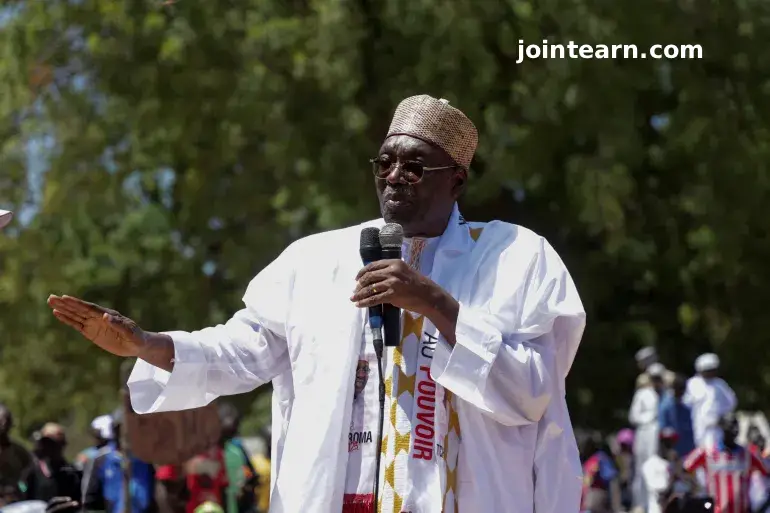
Cameroon’s opposition leader Issa Tchiroma Bakary has fled to The Gambia for his safety following a controversial presidential election that returned longtime ruler Paul Biya to power amid violent protests. The Gambian government confirmed it is hosting Tchiroma temporarily on humanitarian grounds while working with regional partners to facilitate a peaceful resolution to the post-election crisis.
Tchiroma Bakary’s Flight and Gambia’s Role
The Gambian Presidency, led by Adama Barrow, stated that Tchiroma is in the country while authorities pursue a diplomatic solution with Cameroon and regional stakeholders, including Nigeria. The statement emphasized The Gambia’s commitment to supporting a “peaceful and negotiated outcome” in response to tensions following Cameroon’s October election.
Tchiroma, a former government minister and current leader of the Cameroon National Salvation Front, left the country after claiming electoral fraud in the vote that officially secured Biya’s eighth term.
Election Results and Opposition Claims
Official results indicate that 92-year-old Biya, the world’s oldest head of state, won 53.7 percent of the vote, while Tchiroma received 35.2 percent. However, Tchiroma rejected the outcome, calling it “electoral theft” and “a constitutional coup,” insisting that he was the legitimate winner.
During the election campaign, Tchiroma repeatedly encouraged supporters to stage protests and “dead city” operations, urging citizens to close shops and halt daily activities in opposition to Biya’s declared victory.
Post-Election Violence
The Cameroonian government confirmed that at least five people were killed during protests following the election. Civil society organizations and opposition groups, however, claim that the death toll is significantly higher.
Authorities have announced plans to pursue legal proceedings against Tchiroma for his repeated calls for insurrection, reflecting the administration’s firm stance against political opposition.
Paul Biya: Cameroon’s Longest-Serving Leader
Biya has ruled Cameroon since 1982, taking office following the resignation of the country’s first president. A 2008 constitutional amendment abolished term limits, allowing Biya to secure multiple re-elections. His governance has been marked by strict control over political opposition and civil liberties, and his eighth-term victory has continued that trend.
Regional and International Implications
The unrest in Cameroon underscores ongoing political instability in the region. The involvement of The Gambia and Nigeria highlights West African diplomatic efforts to mediate the crisis. Analysts warn that unresolved tensions could escalate if dialogue fails to produce a mutually acceptable outcome, especially as opposition leaders like Tchiroma continue to mobilize supporters.
The international community has expressed concern over human rights violations during post-election protests and has called for restraint and adherence to democratic principles in Cameroon.
Conclusion
Issa Tchiroma Bakary’s flight to The Gambia reflects the highly charged political climate in Cameroon following Biya’s contested re-election. With ongoing protests, legal challenges, and regional diplomatic engagement, the country faces continued uncertainty regarding political stability and the protection of democratic rights.


Leave a Reply