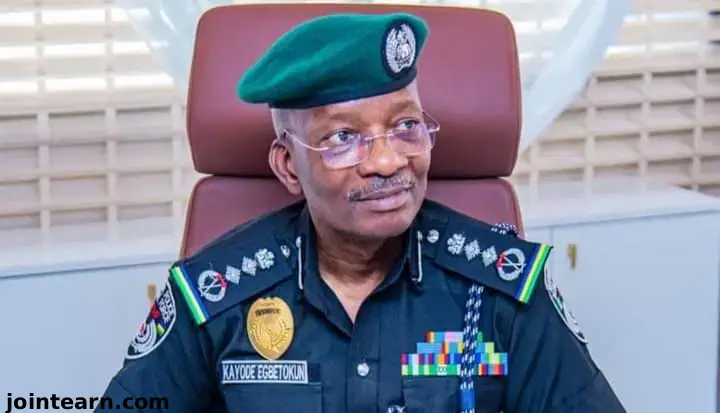
A wave of apprehension has swept through Nigeria’s very important persons (VIPs) following President Bola Tinubu’s directive to withdraw police escorts assigned to their protection.
Presidential spokesman Bayo Onanuga stated on Sunday that police personnel would now focus on their core duties. VIPs requiring protection would have to request well-armed personnel from the Nigerian Security and Civil Defence Corps (NSCDC) instead.
According to police sources, the directive has led to a flood of inquiries from affected VIPs, many expressing doubts about the NSCDC’s capacity to provide the same level of protection as police personnel.
“It will be like engaging boy scouts for protection. Mobile policemen are more agile and battle-ready to confront any threat,” one VIP reportedly said.
Another source highlighted broader concerns, noting that while police escorts have long been a fixture in Nigeria’s security landscape, diverting officers for VIP protection comes at a high cost to public safety.
“The allocation of police officers to VIPs often compromises response times in high-crime areas, leaving communities vulnerable while officers are redeployed to escort convoys,” said an anonymous serving police officer.
The officer also confirmed that resource distribution across the police force is strained due to growing VIP security demands.
“Units deployed to protect governors or influential businessmen leave their assigned zones understaffed, undermining overall policing effectiveness,” he said.
Human rights activist Tony Udemmadu warned that VIP police escorts erode public trust, creating a perception of inequality as ordinary Nigerians face mounting insecurity without adequate police support.
When contacted, Force Public Relations Officer CSP Benjamin Hundeyin promised details on the number of officers involved and the timeline for withdrawal but had not responded by press time.
Political Criticism: ADC Calls Withdrawal ‘Drama’
The African Democratic Congress (ADC) has criticized the directive, describing it as political theatre that fails to address Nigeria’s deepening security crisis.
“A country battling terrorism, banditry, mass abductions, and violent crime cannot afford to confuse public relations for policy,” said ADC spokesperson Mallam Bolaji Abdullahi.
The party noted that similar directives in 2025 had produced no tangible results. Abdullahi also questioned claims that the move would free up 100,000 officers for frontline security, arguing that capability, not numbers, remains the pressing issue, given the sophistication of insurgent tactics and the limited training of police personnel.
“Even our military struggles against evolving insurgents. Relieving the police of VIP duties may boost numbers, but it does nothing to address the real challenge: ill-equipped, ill-trained officers facing complex security emergencies,” Abdullahi added.
As Nigeria grapples with insurgencies, kidnappings, and other violent crimes, the debate over VIP police escorts versus community security priorities is expected to continue.


Leave a Reply