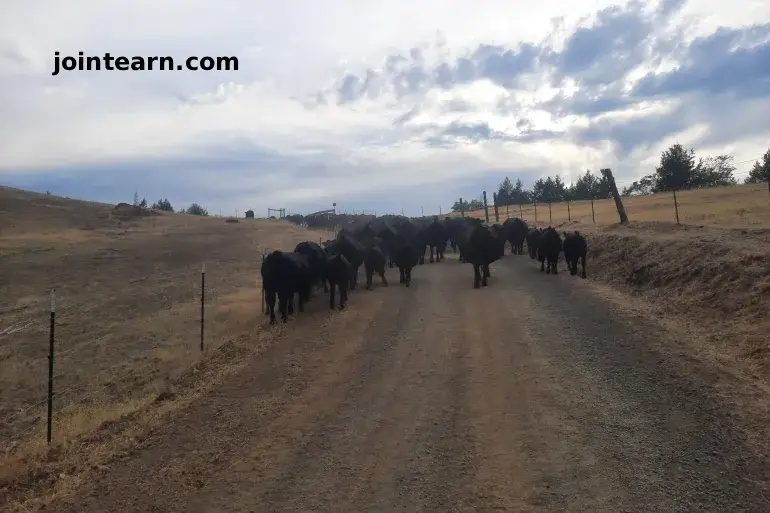
American ranchers, a traditionally loyal voting bloc for former President Donald Trump, have experienced a month of unprecedented uncertainty in the cattle industry. Recent policy shifts and statements by Trump—ranging from beef import plans to investigations into major meatpackers—have left ranchers navigating between their economic interests and the administration’s political priorities.
Trump’s Argentina Beef Comments Trigger Backlash
On October 19, 2025, Trump suggested increasing beef imports from Argentina, sparking immediate backlash from U.S. ranchers. Many viewed the proposal as a threat to their recent gains from rising cattle prices, which have been driven by historically low herd numbers.
Corbitt Wall, a commercial cattle manager and market analyst, commented:
“There was not a person in the cattle business on any level that was not insulted by that post.”
Following the announcement, futures prices for cattle fell more than 15 percent, directly affecting ranchers’ expected sale prices. Futures markets are critical in the beef industry, as they dictate the price ranchers can secure for cattle in upcoming months.
Beef Prices and Herd Challenges
The United States is currently experiencing its lowest beef cattle herd numbers since the 1950s. Contributing factors include:
- Years of drought affecting grazing lands
- Increased feed costs
- Tariffs on foreign beef
- Closure of the Mexican border to live cattle due to screwworm concerns
While rising cattle prices have benefited ranchers, consumer beef prices have also surged. As of September 2025, the average price for a pound (453 grams) of ground beef reached $6.32, an 11% increase compared to September 2024.
Oregon rancher David Packham described the financial strain on ranchers:
“I regularly sell cattle at a loss and just try to keep my equipment running because I can’t afford a new tractor.”
Despite these challenges, many ranchers remain politically loyal to Trump, although dissenting voices within the community are emerging.
Meatpacking Industry Investigation
Trump’s November 7 announcement of a Department of Justice investigation into the “big four” U.S. meatpackers—Tyson, JBS, Cargill, and National Beef—drew mixed reactions from ranchers. The probe targets potential collusion, price-fixing, and manipulation in the meatpacking industry, where over 80% of U.S. cattle sales pass through these four companies.
James MacDonald, a research professor at the University of Maryland, criticized the timing:
“It is a perennial issue that p***es off ranchers, and you can gain some political ground by attacking the packers.”
While ranchers generally support investigations into price-fixing, some argue that the market is already operating under tight margins due to historically low cattle inventories.
Impact of Plant Closures and Supply Shortages
On November 22, Tyson announced the closure of a Nebraska beef-processing plant employing over 3,000 workers. Analysts point to low cattle supply and long-term drought effects as primary drivers for the closure. Restoring U.S. herd numbers is expected to take years, making immediate relief from import adjustments unlikely.
MacDonald explained:
“Increased imports from Argentina or Brazil won’t significantly affect the overall U.S. beef supply because the cattle numbers remain critically low.”
Heifer retention—the practice of holding back female cattle to grow future herds—also remains low, further delaying recovery.
Ranchers’ Political and Economic Outlook
Despite the turbulence, many ranchers continue to support Trump, viewing him as the preferable choice over political opponents. Corbitt Wall observed:
“You look at what the other side has to offer, and there’s no way people are going to go for that. In the long run, they’ll stick with him.”
However, for ranchers like Packham, the combination of high feed costs, equipment expenses, and market uncertainty has opened doors for more critical voices within the traditionally conservative sector.
Conclusion
Trump’s beef policies, including import announcements and meatpacking investigations, have created a complex landscape for U.S. ranchers. While short-term market reactions have caused financial volatility, long-term herd shortages and supply chain challenges mean that the industry will continue facing uncertainty. As the 2026 election cycle approaches, the intersection of politics and cattle economics will remain a focal point for ranchers, consumers, and policymakers alike.


Leave a Reply