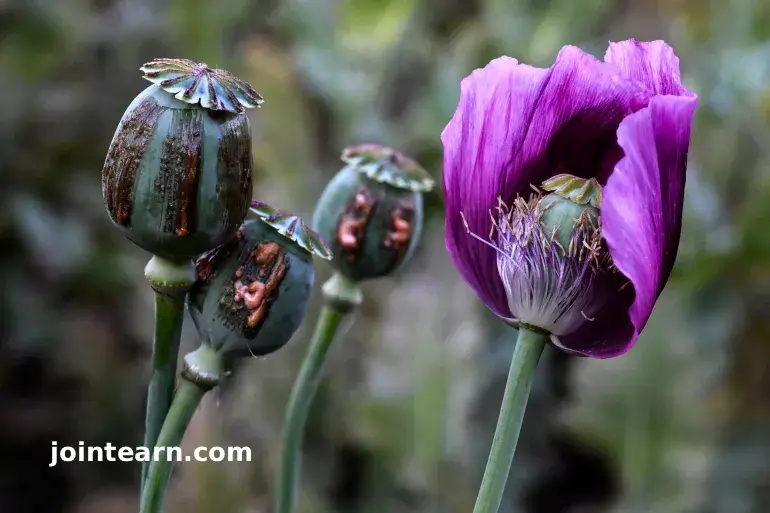
Opium poppy farming in Myanmar has surged to a 10-year peak, according to the latest findings from the United Nations Office on Drugs and Crime (UNODC). The report highlights a sharp increase in cultivation across all major growing regions in the conflict-affected country, reaffirming Myanmar’s position as the world’s leading source of illicit opium.
Surge in Poppy Cultivation
The UNODC’s Myanmar Opium Survey 2025 found that the total area under opium poppy cultivation rose by 17% compared with 2024, increasing from 45,200 hectares (111,700 acres) to 53,100 hectares (131,200 acres).
Delphine Schantz, UNODC’s representative for Southeast Asia and the Pacific, said:
“This major expansion in cultivation shows the extent to which the opium economy has re-established itself over the past years – and points to potential further growth in the future.”
The report notes that Myanmar has overtaken Afghanistan as the world’s primary source of illicit opium, following continued declines in poppy cultivation in Afghanistan.
Production vs. Cultivation
While the area of land under poppy cultivation has increased, the yield per hectare has not kept pace. UNODC attributed this to rising instability and ongoing conflict, which make it increasingly difficult for farmers to maintain their crops and produce high-quality opium.
Despite lower yields, the price of opium in Myanmar has more than doubled since 2019, rising from $145 per kilogram to $329 per kilogram. This surge in value has incentivized more farmers to turn to poppy cultivation despite the risks.
Implications for Global Drug Trade
The UNODC report warns of emerging signs that heroin from Myanmar is reaching international markets that were previously supplied primarily by Afghan opiates. Myanmar’s opium is processed into heroin, a highly addictive narcotic, and global demand is expected to increase due to heroin shortages originating from Afghanistan.
The European Union’s Drugs Agency (EUDA) reported that around 60kg of heroin linked to Myanmar was seized from passengers flying to the EU from Thailand between 2024 and early 2025.
Schantz highlighted the human and economic factors driving this trend:
“Driven by the intensifying conflict, the need to survive, and the lure of rising prices, farmers in Myanmar are increasingly drawn to poppy cultivation. The increase we have seen in the past year will have significant implications for Myanmar’s future and for drug markets regionally and globally.”
Regional and Global Concerns
The resurgence of opium poppy farming in Myanmar poses serious challenges for Southeast Asia’s drug markets. Rising production may affect heroin supply, trafficking patterns, and public health both regionally and internationally. UNODC has called for urgent coordinated action to address the growing opium economy and its implications for illegal drug trade and conflict-affected communities.


Leave a Reply