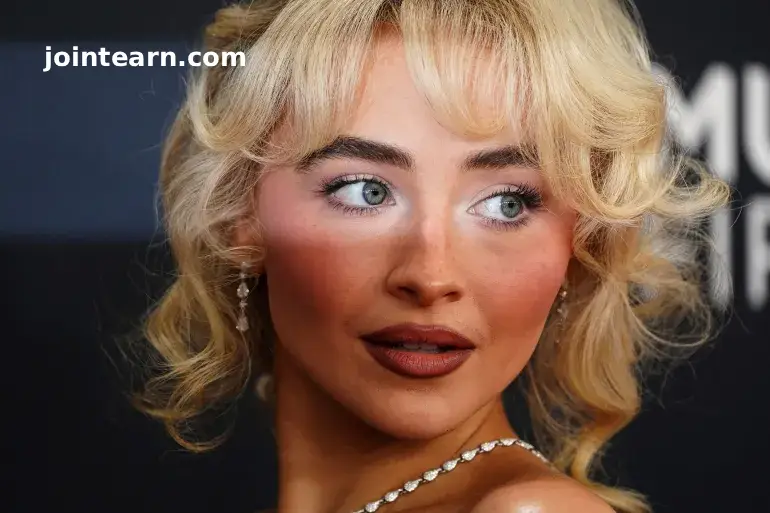
Pop singer Sabrina Carpenter and the publisher of the beloved children’s character Franklin the Turtle have publicly condemned the Trump administration for using their music and imagery to promote controversial policies. The incident highlights the ongoing tension between artists’ rights and political use of creative works in the United States.
Carpenter Responds to White House Video
Carpenter’s 2024 song “Juno” from her album Short n’ Sweet was featured in a White House video montage depicting US Immigration and Customs Enforcement (ICE) raids. In response, Carpenter posted on social media:
“This video is evil and disgusting. Do not ever involve me or my music to benefit your inhumane agenda.”
The video caption even quoted lyrics from her song, “Have you ever tried this one? Bye-bye.” Carpenter’s statement underscores her strong opposition to her music being used to support government actions she considers unethical.
White House Responds
A White House spokesperson, Abigail Jackson, defended the administration’s actions, stating:
“Here’s a Short ‘n Sweet message for Sabrina Carpenter: we won’t apologise for deporting dangerous criminal illegal murderers, rapists, and pedophiles from our country. Anyone who would defend these sick monsters must be stupid, or is it slow?”
The comment reflects the administration’s unapologetic stance on its immigration enforcement policies, but it has drawn criticism from artists and civil rights advocates alike.
Franklin the Turtle Publisher Denounces Violent Imagery
In a related incident, Kids Can Press, the publisher of Franklin the Turtle, condemned US Defense Secretary Pete Hegseth’s post on X featuring a digitally manipulated image of Franklin aiming a bazooka at boats, captioned: “Franklin Targets Narco Terrorists.”
The publisher emphasized:
“Franklin the Turtle is a beloved Canadian icon who has inspired generations of children and stands for kindness, empathy, and inclusivity. We strongly condemn any denigrating, violent, or unauthorized use of Franklin’s name or image, which directly contradicts these values.”
Hegseth’s post comes amid scrutiny over allegations that he ordered a second deadly strike on survivors of a previous Caribbean Sea attack involving alleged drug-smuggling boats. The incident has prompted calls for investigation into potential war crimes.
Other Musicians Protest Political Use of Their Music
Sabrina Carpenter is not alone in challenging political use of her work. Other notable artists include:
- Kenny Loggins, who demanded removal of a video using his hit “Danger Zone” with AI-generated imagery of Trump.
- Celine Dion, who condemned the use of “My Heart Will Go On” in a 2024 campaign video.
- Beyoncé, who objected to the use of “Freedom” the same year.
However, some musicians, such as Victor Willis of the Village People, have publicly supported the Trump administration’s use of “YMCA” at campaign rallies, despite the song’s historical association with the gay liberation movement.
Implications
These incidents have sparked broader conversations about copyright, artists’ moral rights, and political messaging. They underscore the importance of consent and ethical use of music and artwork in public campaigns, as well as the ongoing tension between political messaging and creative expression.


Leave a Reply