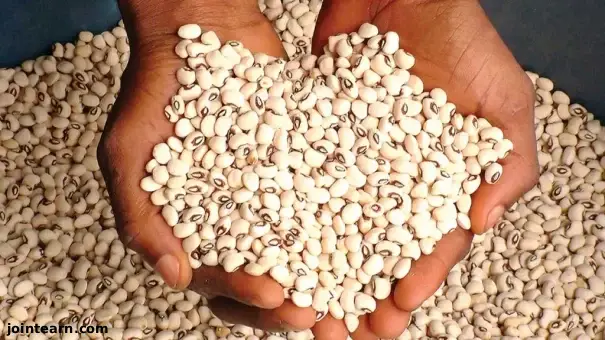
Nigeria’s agricultural sector is losing an estimated $362.5–$363 million annually in foreign exchange because of the ongoing European Union (EU) ban on dried beans exports, primarily due to high pesticide residues.
The ban, in place since 2015, was triggered by unsafe levels of Dichlorvos (DDVP) in Nigerian beans—well above the EU’s Maximum Residue Limit. This chemical, widely used locally to prevent pest damage, has been banned in the EU since 2006 for its toxicity.
At the National Summit on Agroecology and Public-Private Partnerships in Lagos, stakeholders highlighted the health risks of hazardous pesticide use, particularly for farmers. Key points include:
- Developing countries like Nigeria account for only 25% of pesticide use but experience 99% of pesticide-related deaths.
- 75% of surveyed smallholder women farmers reported health issues such as dizziness, respiratory problems, skin rashes, and nausea due to pesticide exposure.
The summit also criticised 2025 budget allocations for agroecology, noting they are concentrated in the Presidency rather than under the Ministry of Agriculture and Food Security for effective implementation.
Recommendations from the summit included:
- Increase budgetary allocations for agriculture, agroecology, and extension services.
- Promote Nigeria’s indigenous seeds and livestock through community seed banks.
- Focus on strategic investments to raise agricultural GDP to at least 6%, including access to credit, climate-resilient farming, post-harvest loss reduction, and women and youth empowerment in agriculture.
The summit stressed that improving food safety, sustainable practices, and agro-biodiversity is critical to reversing export losses, increasing food production, and ensuring long-term economic and nutritional security.


Leave a Reply