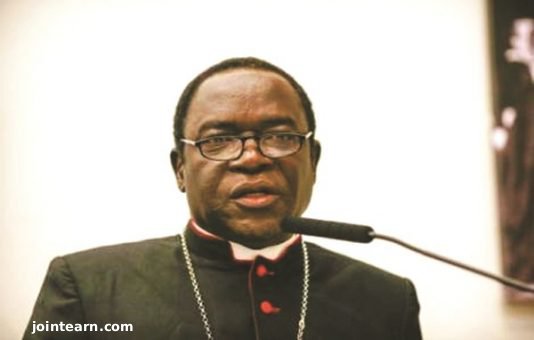
The Bishop of the Catholic Diocese of Sokoto and Convener of the National Peace Committee, Bishop Matthew Hassan Kukah, has warned that Nigeria’s persistent indigene–settler divide continues to threaten national unity, weaken citizenship, and derail the aspirations of the country’s founding fathers.
Speaking in Abuja at a National Peace Committee dialogue on identity—supported by the EU Delegation to Nigeria and ECOWAS—Kukah said the country is drifting because unresolved tensions have turned nation-building into “a syllabus of forced errors and crises.”
He lamented that despite the country’s growing appetite for public dialogue, such conversations rarely translate into policies that strengthen democracy or foster a shared sense of belonging.
“We need to elevate the Nigerian identity to a higher pillar of common citizenship around which all other identities can stand,” he said, noting that many Nigerians continue to feel excluded and live in “tension, misery, trauma and desolation.”
Kukah stressed that migration and settlement are part of human history and must not determine who belongs, warning that Nigeria’s fractures—compounded by state indifference and governance failures—could lead to deeper instability if left unaddressed.
EU: Resolving Identity Tensions Is Key to Nigeria’s Stability
The European Union echoed these concerns, stressing that Nigeria must urgently confront disputes around citizenship and belonging to secure its future.
EU Ambassador to Nigeria and ECOWAS, Gautier Mignot, said rising insecurity and communal tensions make national dialogue indispensable.
“What is at stake is not merely social harmony but stability itself,” he warned, insisting that every Nigerian—regardless of ancestry or length of settlement—must fully enjoy constitutional rights in practice, not just on paper.
Mignot urged Nigeria to adopt governance models that prioritise residency rights, inclusion, and equality, adding that Europe’s own history of ethnic conflict shows that diversity can become a strength with deliberate policies and political will.
Constitutional Reform, Enforcement of Rights Critical — Experts
Policy strategist Kunle Fagbemi linked the identity crisis to colonial legacies and constitutional inconsistencies. He argued that the 1999 Constitution deepened divisions because it was imposed without national consensus.
He called for a new constitution based on participatory governance, residency-based rights, and reforms that encourage intra-Nigerian mobility while distinguishing it from cross-border movement under ECOWAS.
Fagbemi criticised political elites for exploiting ethnic fractures and bypassing structures such as the Police Council, saying genuine nation-building requires enforcing existing laws, changing attitudes, and promoting cross-cultural relationships.
NOA: Nigerians Must See Every Citizen as a Stakeholder
The Director-General of the National Orientation Agency (NOA), Lanre Isa-Onilu—represented by Dr. Olukemi Afolayan—said identity tensions shape access to opportunities, rights, and social cohesion.
He highlighted the National Values Charter, civic education programmes, and community dialogue initiatives as part of efforts to promote national unity and inclusive citizenship.
“This discourse aligns with our mandate to shape national consciousness and cultivate shared allegiance,” he said, urging Nigerians to look beyond ethnicity or place of origin in defining belonging.


Leave a Reply