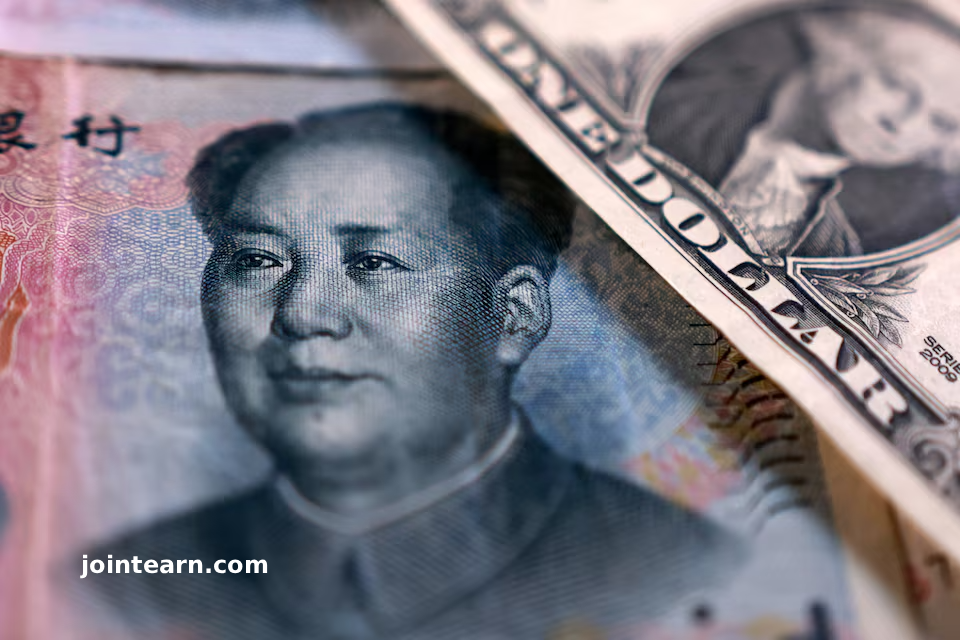
China’s State Banks Intervene to Smooth Yuan Strength
December 4, 2025 – Major Chinese state-owned banks have been purchasing U.S. dollars in the onshore spot market in a concerted effort to rein in yuan gains, according to sources with direct knowledge of the matter. The intervention comes as the yuan reached a 14-month high earlier this week, reflecting strong appreciation against the dollar.
Unlike typical operations, the banks did not recycle the dollars into the swap market, suggesting that the move was intended to tighten dollar liquidity and increase the cost of holding long yuan positions, rather than to reverse the currency’s upward trend.
Impact on the Yuan and Swap Markets
The intervention caused back-end dollar/yuan swap points to drop, signaling a negative carry for holding yuan over one-year tenors. Market participants noted that the central aim was to moderate the pace of yuan appreciation, preventing abrupt rallies that could prompt exporters to rush yuan purchases.
Following reports of the state bank activity, the yuan weakened slightly to 7.072 per U.S. dollar, having already dipped earlier in the day due to a softer-than-expected daily trading band fixing by Chinese authorities.
Why State Banks Are Moderating the Yuan
Sources explained that slowing the yuan’s rise makes it less profitable to hold long positions, as gains from currency appreciation do not offset the lower interest income compared to the higher-yielding U.S. dollar.
State-owned banks sometimes act on behalf of the People’s Bank of China (PBOC), though they may also trade independently or execute orders for clients. Their coordinated dollar buying reflects a strategy to guide a gradual yuan appreciation, projecting stability and encouraging global use of the currency.
Yuan Set for Largest Annual Gain Since 2020
The yuan has appreciated roughly 3.3% against the U.S. dollar so far in 2025, poised for its largest annual gain since the pandemic year of 2020. The currency’s strength has been partly supported by authorities’ tacit approval, with the midpoint of the daily trading band repeatedly set firmer than market expectations.
However, the state banks’ interventions have smoothed the currency’s rise, avoiding sharp fluctuations and sudden surges in yuan purchases by exporters, which could destabilize the market.
Market Implications
Investors and currency traders should note the following impacts of the state banks’ actions:
- Increased cost for long yuan positions, due to tighter dollar liquidity and negative swap carry
- Moderated pace of yuan appreciation, reducing volatility and sudden market spikes
- Signaled stability, supporting confidence in yuan’s international use and its role in global trade settlements
Analysts suggest that the gradual approach allows China to balance domestic financial stability with international currency influence, while maintaining controlled capital flows.
Conclusion
China’s state-owned banks are actively buying dollars to manage yuan gains, reflecting a strategic effort to smooth currency appreciation and promote stability in the onshore market. The intervention highlights Beijing’s careful approach to currency management, ensuring a steady rise in the yuan while mitigating risks from speculative long positions.


Leave a Reply