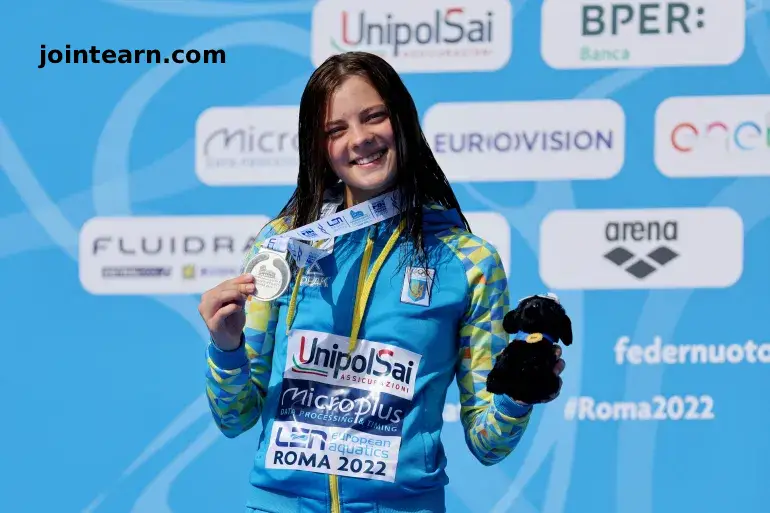
In a major sports controversy, Ukrainian diver Sofiia Lyskun has switched her allegiance to Russia, prompting the Ukrainian Diving Federation to strip her of all medals and awards. The decision has sparked a heated debate in international sports circles and raised questions about athlete nationality changes amid ongoing geopolitical tensions.
Ukrainian Officials Condemn Lyskun’s Decision
The Ukrainian Diving Federation described Lyskun’s move as “categorically unacceptable.” In an official statement, the federation emphasized that Lyskun failed to notify Ukrainian sports authorities, her coaching staff, or the Ministry of Youth and Sports of Ukraine about her decision to adopt Russian citizenship.
“Such steps are categorically unacceptable. They discredit not only an individual athlete but also the entire team of Ukraine, which every day selflessly fights for the right to represent our country in the international arena,” the statement read.
The federation also announced plans to appeal to international sports institutions, urging them to apply a sports quarantine to Lyskun in line with international standards.
Lyskun’s Achievements Representing Ukraine
Sofiia Lyskun has been a prominent figure in Ukrainian diving, winning multiple accolades at the European Aquatics Championships. Highlights of her career include:
- Gold in 10-metre synchronised diving at the 2024 European Aquatics Championships in Belgrade alongside Kseniia Bailo.
- Team gold in 2018 in Glasgow.
- Representing Ukraine at the Tokyo 2020 Olympics and the Paris 2024 Olympics.
Her departure marks a significant loss for Ukraine, which has been striving to maintain a strong presence in international diving competitions despite limited resources.
Lyskun’s Reasoning Behind the Switch
In an interview with the Russian newspaper Izvestia, Lyskun explained that her decision was motivated by concerns about her athletic development. She cited that most Ukrainian diving coaches have backgrounds in gymnastics or trampoline, which she felt limited her growth in the sport of diving.
“How can someone from a completely different field teach you anything? Over the past few years in sports in Ukraine, I realized I wasn’t growing,” Lyskun said.
Her remarks have sparked further debate over Ukraine’s sports infrastructure and the challenges athletes face in pursuing elite-level training.
International Context: Russian and Belarusian Athletes
The issue of Lyskun’s nationality change comes amid broader international sports restrictions. Following Russia’s invasion of Ukraine in 2022, Russian and Belarusian athletes were banned from World Aquatics events. However, some athletes were later allowed to compete under neutral flags at the Paris 2024 Olympics after restrictions were eased.
The Lyskun case highlights the tension between athlete rights to personal growth and national representation in sports, particularly in a politically sensitive environment.
Reactions and Implications
The stripping of Lyskun’s medals has drawn attention across global sports media, raising questions about:
- How sports federations handle nationality changes.
- The influence of politics on international sports competitions.
- The future of Ukrainian athletes amid ongoing conflicts and limited support.
Sports analysts suggest that Lyskun’s case may set a precedent for other athletes considering nationality switches, particularly in sports where coaching infrastructure and development opportunities vary significantly between countries.


Leave a Reply