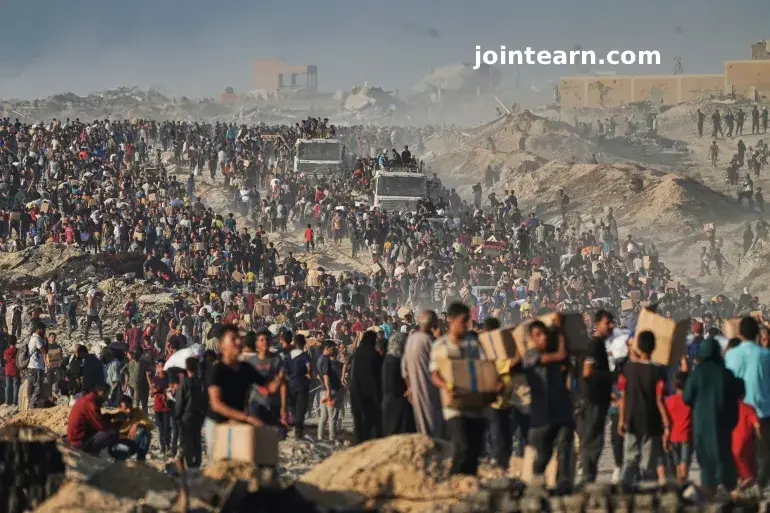
The United Nations has launched its 2026 humanitarian aid appeal, requesting $23 billion to respond to global crises—roughly half of the total funding it says is required. Despite unprecedented humanitarian needs worldwide, cuts in donor funding are forcing the UN to prioritize only the most urgent cases.
The announcement comes amid escalating global instability, with millions of people in conflict zones, disaster areas, and regions impacted by epidemics and climate change facing life-threatening conditions.
Funding Shortfalls and Consequences
The UN originally sought $47 billion for 2025 but received only $12 billion by November, the lowest in a decade. This covered just a quarter of its needs, forcing the organization to focus resources on the most desperate populations.
UN aid chief Tom Fletcher warned of mounting challenges:
“We are overstretched, underfunded, and under attack… we drive the ambulance towards the fire. But we are also now being asked to put the fire out. And there is not enough water in the tank. And we’re being shot at.”
Fletcher criticized international “apathy” despite the widespread suffering witnessed in 2025, highlighting the “brutal choices” the UN faces in allocating aid.
Priority Areas in 2026
The 2026 appeal identifies 87 million people as priority cases, whose lives are considered most at risk. However, approximately 250 million people globally require urgent assistance. Should funding allow, the UN aims to assist 135 million people at a total cost of $33 billion.
The largest single appeal, amounting to $4 billion, targets the occupied Palestinian territory, with the majority allocated to Gaza, devastated by prolonged conflict. Almost all of Gaza’s 2.3 million inhabitants remain dependent on humanitarian aid.
Other key priority regions include Sudan, where ongoing civil war has displaced millions and created famine conditions, and Syria, still grappling with the aftermath of 14 years of civil war and mass displacement. Fletcher emphasized:
“This appeal is laser-focused on saving lives where the shocks hit hardest: wars, climate disasters, earthquakes, epidemics, crop failures.”
Global Humanitarian Needs
The UN estimates that 240 million people worldwide require emergency assistance due to conflict, epidemics, and climate disasters. Without adequate funding, the organization warns that millions more could face severe deprivation or death.
To fill the gap, Fletcher indicated that the UN will expand appeals to civil society, the corporate sector, and the global public, beyond traditional donor governments. Historically, the UN relies heavily on voluntary donations from Western countries, with the United States as the top contributor.
Although the US remained the largest donor in 2025, its share dropped from over one-third of total funding to just 15.6%, reflecting aid cuts under President Trump and similar reductions from other Western donors, including Germany.
Challenges Ahead
The UN’s 2026 appeal underscores the dual pressures of soaring global needs and shrinking financial support, forcing the international community to confront difficult decisions about who receives life-saving aid. Fletcher warned that, without urgent funding, millions in Sudan, Syria, Gaza, and other hotspots may face worsening humanitarian disasters.
The organization is calling on governments, corporations, and individuals alike to contribute, aiming to prevent humanitarian collapse amid ongoing global crises.


Leave a Reply