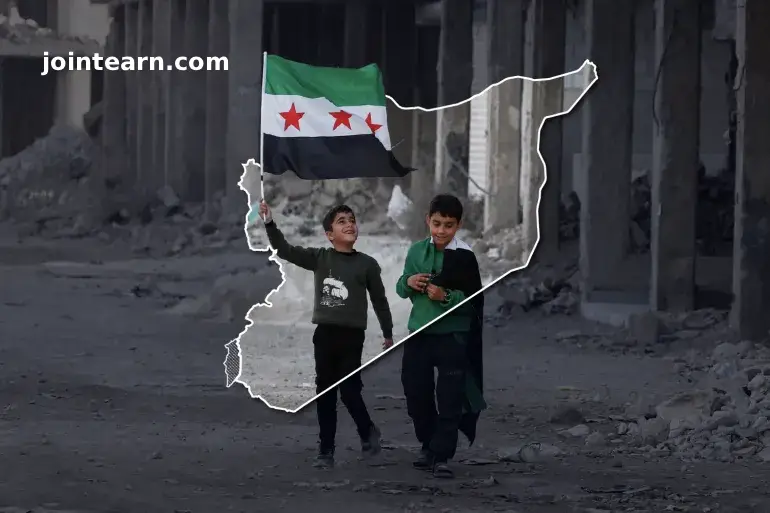
December 8, 2025, marks one year since the fall of the al-Assad regime in Syria, ending 54 years of family rule. The past year has seen a significant number of displaced Syrians beginning the long process of returning home, following a 14-year civil war that triggered one of the largest migration crises in modern history.
Millions of Syrians Return Home
According to the International Organization for Migration (IOM), over the past year, 782,000 Syrian refugees returned from abroad, while nearly 1.8 million internally displaced persons (IDPs) returned to their towns and cities.
This brings the total number of returnees to roughly 2.6 million. Among those returning from abroad, major destinations included:
- Aleppo: 170,000
- Homs: 134,000
- Rural Damascus: 124,000
For internally displaced Syrians, return patterns included:
- Aleppo: 471,000
- Idlib: nearly 460,000
- Hama: 314,000
Despite these returns, more than 6 million Syrians remain internally displaced, primarily in rural Damascus (1.99 million), Aleppo (1.33 million), and Idlib (993,000).
Stories of Return
For many returnees, the experience of coming home after years in exile is bittersweet. Khalid al-Shatta, a 41-year-old from Damascus, fled Syria in 2012 with his wife and son, first to Jordan and then to Turkiye. Upon al-Assad’s fall, he returned to Damascus, opening a business focused on power solutions, reflecting both the challenges and opportunities of rebuilding life in post-Assad Syria.
Similarly, Talal Nader al-Abdo, 42, from Maaret al-Numan in southern Idlib, returned to his hometown after living in multiple displacement camps for years. Despite homes being damaged or demolished, he expressed hope in rebuilding his home and future, reflecting the resilience of returnees across Syria.
Economic and Social Challenges
While returns are increasing, many Syrians face economic and social difficulties. Job opportunities are limited, salaries are low, and housing remains unaffordable, forcing many to live in damaged homes, costly rentals, or with host families. The IOM reports:
- 69% of returnees still own property
- 19% are renting
- 11% are being hosted for free
- 1% are squatting
Living costs vary widely, with some families surviving on $150–$200 per month, while others earn $1,500–$2,000 or more, creating disparities that affect the pace of resettlement.
EU Asylum Policy and the Syrian Diaspora
The fall of al-Assad also impacted Syrian asylum policies in Europe. Several EU countries—including Austria, Belgium, Denmark, Germany, Greece, Italy, Sweden, and the UK—temporarily paused asylum applications from Syrians. By mid-2025, asylum applications dropped 23%, with only 25,000 Syrians applying in the first half of the year, a two-thirds decrease from 2024.
For the first time in over a decade, Syrians are no longer the largest nationality group seeking asylum in Europe. Updated EU guidance in December 2025 stated that opponents of al-Assad and military service evaders are “no longer at risk of persecution,” further encouraging returns.
Moving Forward
One year after al-Assad’s fall, Syria faces the enormous task of rebuilding infrastructure, restoring services, and reintegrating displaced populations. While millions have returned, challenges such as housing shortages, limited employment, and uneven access to essential services remain.
Despite these hurdles, the determination of Syrians to return home reflects a deep sense of belonging and hope for the future, signaling the start of a new chapter in Syria’s recovery.


Leave a Reply