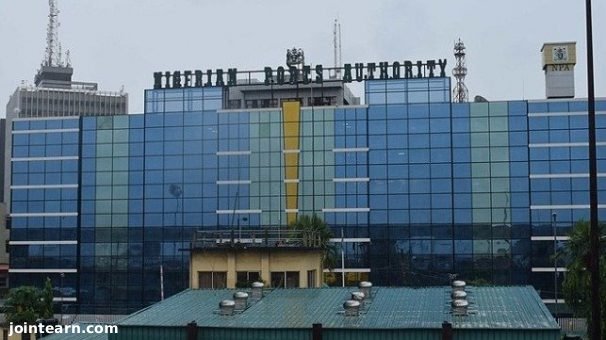
Nigeria’s port digitalisation drive has recorded significant milestones, with the Electronic Call-Up System (E-Call Up) processing 3.4 million truck movements since its launch in February 2021 and reducing cargo transportation costs by 65 per cent. The achievements come as the country prepares to roll out the National Single Window (NSW) platform in the first quarter of 2026, aimed at cutting clearance times to less than 24 hours.
The system, introduced by the Nigerian Ports Authority (NPA), was initially designed to address chronic gridlock along the Apapa and Tin Can Island port corridors. Over time, it has evolved into a robust logistics management framework, improving transparency, operational discipline, and truck sequencing.
“Today, the E-Call Up System has become a transformative tool, enabling structured truck inflow, improving logistics coordination, and aligning Nigerian port operations with global best practices,” said Dr. Abubakar Dantsoho, NPA Managing Director, during the Maritime Correspondents Organisation of Nigeria (MARCON) retreat in Lagos.
Recent upgrades to the system include enhanced ticket security, tying ETO tickets directly to Terminal Delivery Orders and Vehicle Entry Permits, as well as full integration with terminal gate barriers to prevent unauthorized access. These improvements have strengthened transparency, eliminated fraudulent ticket duplication, and reduced human interference across port operations.
Jama Onwubuariri, Managing Director of Truck Transit Parks Limited, the system’s concessionaire, highlighted the tangible impacts:
- Cargo costs have fallen from N1.4 million to N350,000–N500,000, a 65% reduction.
- Truck turnaround time has dropped from 2–3 weeks to 2–3 days.
- System uptime has remained 100%, with 170 new feature updates deployed since launch.
Onwubuariri noted ongoing challenges, including truck plate duplication, non-compliance with Terminal Delivery Orders, terminal inefficiencies, and isolated cases of extortion by security personnel. Planned solutions include the deployment of E-tag digital identities on trucks, stronger terminal infrastructure, and strict enforcement against extortion.
Meanwhile, progress on the National Single Window (NSW) platform, designed as a central digital portal for all importers and exporters, has reached an advanced stage. When fully operational, the NSW is expected to:
- Cut clearance times to under 24 hours
- Reduce export processing durations
- Lower business costs
- Improve regulatory transparency
The system has been synchronized with the Central Bank’s Nigerian Export Proceeds portal and integrated with the Nigeria Customs Service NICIS II platform, ensuring seamless regulatory compliance.
“The President’s consistent support has provided the momentum needed to harmonize agency positions and push the project forward where earlier versions stalled,” said Ayokunnu Ojeniyi, Head of Change and Stakeholder Management for NSW.
Ismail Aniemu, President of MARCON, emphasized that these technological advancements not only enhance Nigeria’s competitiveness in West African maritime trade but also significantly contribute to employment, operational efficiency, and national productivity.
The E-Call Up System and NSW platform collectively demonstrate Nigeria’s commitment to leveraging technology for trade facilitation, ensuring smoother cargo flows, lower costs, and stronger regional integration.


Leave a Reply