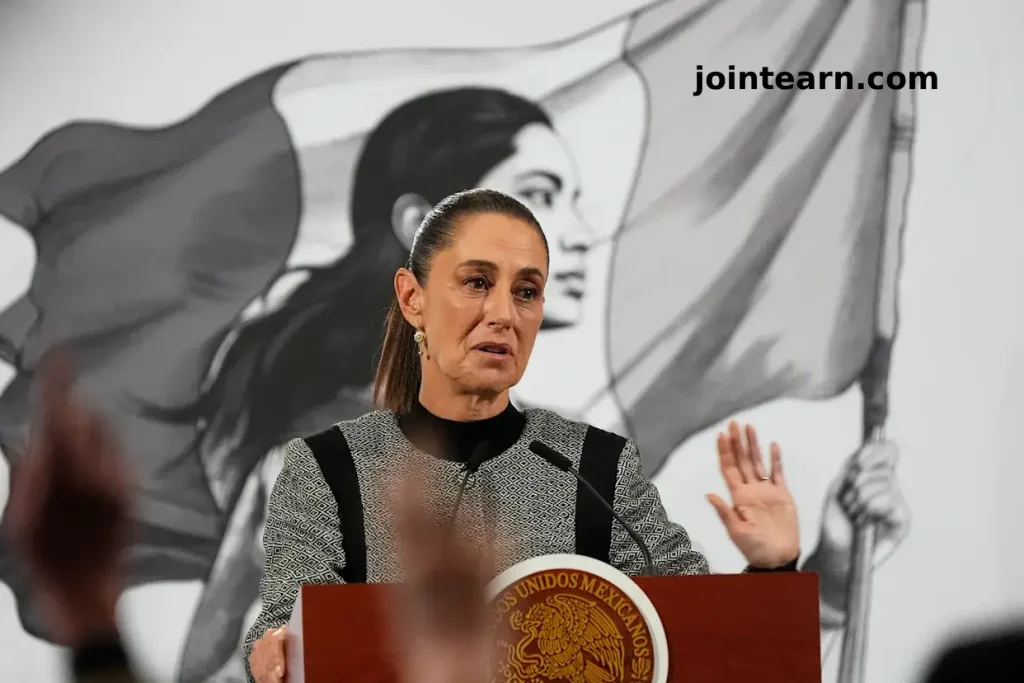
Mexico’s Congress has approved significant tariff increases on over 1,400 imported products from China and other countries that do not have free trade agreements with Mexico, a move aimed at boosting domestic production and influencing ongoing trade negotiations with the United States.
The legislation passed the Senate on Wednesday evening following approval by the lower chamber in the early hours of the morning. The ruling Morena party, led by President Claudia Sheinbaum, controls both chambers and has championed the tariffs as a way to encourage domestic manufacturing and reduce dependency on foreign imports. The Senate vote concluded with 76 in favor, 5 against, and 35 abstentions.
Impact on Imports and Domestic Production
The tariff increases, which will take effect in January 2026, could be as high as 50% and target a wide range of goods, including textiles, footwear, home appliances, cars, and auto parts.
China is expected to be the most affected, as Mexico imported $130 billion worth of products from China in 2024, making it Mexico’s second-largest trading partner after the United States. The Chinese government had previously criticized the proposed tariffs when they were announced in September, warning that they could strain bilateral trade relations.
Strategic Trade Considerations
Experts say that while Mexico frames the tariff hike as a domestic production initiative, the underlying motivation is closely linked to U.S.-Mexico trade relations. President Sheinbaum has been engaged in negotiations with the Trump administration to secure relief from existing U.S. tariffs imposed on Mexican imports.
According to Oscar Ocampo, director of economic development at the Mexican Institute for Competitiveness, the tariff hikes are largely connected to the upcoming review of the USMCA (United States-Mexico-Canada Agreement). “The real reason has to do with the United States… with the negotiations to obtain reductions or exemptions from the tariffs that Mexico is facing at this moment to access the U.S. market,” he explained.
Economic and Industry Concerns
While the government argues the tariffs will support domestic industries, analysts warn of potential disruptions to supply chains and inflationary pressures. Key sectors likely to be affected include automotive parts, plastics, chemicals, textiles, and appliances.
Ocampo added that the policy represents a response to the unpredictability of U.S. trade policy under President Donald Trump, but it risks creating economic instability at a time when Mexico’s economy is slowing.
Looking Ahead
As the tariffs take effect in January, industries and consumers in Mexico may face higher prices for imported goods, while domestic manufacturers could see increased demand for locally produced alternatives. International observers are also closely watching China’s response and the potential for trade tensions to escalate, particularly given the strategic importance of Mexico-China trade relations.


Leave a Reply