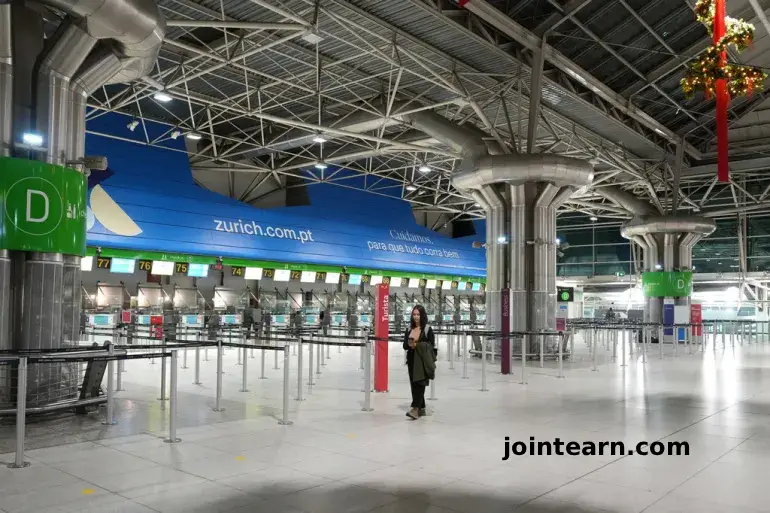
Portugal is experiencing widespread disruption across public services, transportation, healthcare, and education as trade unions launch the country’s largest general strike since June 2013. Workers are protesting a government-backed draft law aimed at simplifying dismissal procedures, extending fixed-term contracts, and defining minimum service levels during industrial disputes.
In Lisbon, streets were unusually quiet as public transport ground to a near halt. Lisbon’s main train station saw most services cancelled, while TAP Air Portugal called off roughly two-thirds of its 250 daily flights. Hospitals remained open, but non-urgent surgeries and appointments were postponed as nurses and medical staff joined the strike.
Union Opposition and Demonstrations
The strike has been organized by the General Confederation of the Portuguese Worker (CGTP) and the General Union of Workers (UGT), which staged around 20 demonstrations nationwide. Tiago Oliveira, CGTP’s secretary-general, described the reforms as “among the biggest attacks on the world of work,” warning that the legislation would “normalize job insecurity,” deregulate working hours, and make dismissals easier.
Oliveira emphasized that of Portugal’s 5 million-strong working population, about 1.3 million workers already occupy insecure positions, and the reforms would worsen this trend. He added that public awareness of the issue marked the strike “already a success” and signaled growing resistance ahead of the 2026 presidential elections.
Government Position
Prime Minister Luis Montenegro defended the reforms, arguing that the package of over 100 measures is designed to “stimulate economic growth and pay better salaries.” He acknowledged the strike but urged citizens that “the country will function as normally as possible… because the rights of some must not infringe on the rights of others.”
Although Montenegro’s party lacks an outright parliamentary majority, it can rely on support from liberal and far-right parties, which have grown in influence, to push the reforms through. Opposition parties argue that voters were not fully informed about the potential rollback of workers’ rights during previous elections.
Public Support
Despite disruptions, public opinion largely favors the strike, with surveys indicating 61 percent of Portuguese citizens back the action. The strike has disrupted urban life, transport, and healthcare services, drawing attention to the ongoing debate about workers’ rights, economic reform, and social protections in Portugal.
While Portugal has reported economic growth of 2 percent and a low unemployment rate of around 6 percent, unions contend that growth should not come at the expense of worker protections. The general strike has highlighted tensions between economic liberalization, labor rights, and political pressures in the country.


Leave a Reply