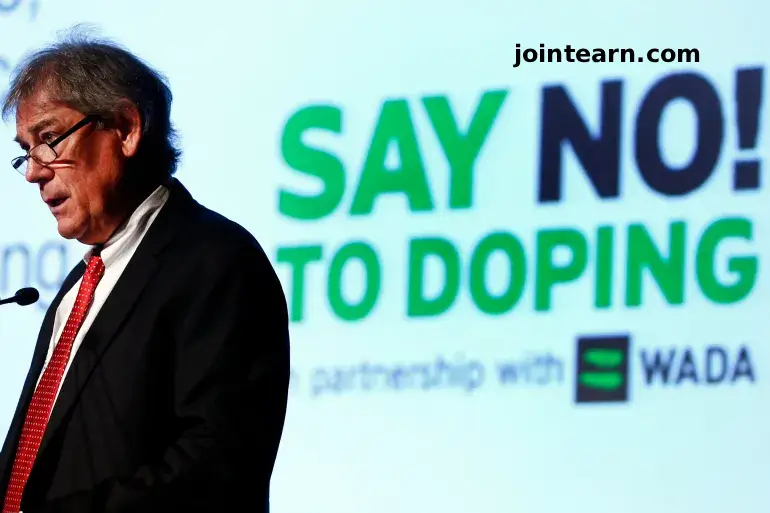
The global fight against doping in sport is faltering, with elite athletes increasingly slipping through anti-doping controls, Athletics Integrity Unit (AIU) Chair David Howman has warned. Speaking at last week’s World Conference on Doping in Sport, Howman delivered a stark assessment of the system, acknowledging that while the AIU has a strong track record of identifying rule-breakers, it is still “not catching enough of them.”
Anti-Doping System Struggles to Keep Pace
According to AIU annual reports, the number of international disciplinary cases has risen from 62 in 2021 to 100 in 2024. National-level cases increased from 185 to 305 over the same period, demonstrating the growing scale of enforcement efforts. Yet, despite this apparent increase, Howman stressed that intentional dopers at the elite level continue to evade detection.
“Let’s be honest and pragmatic … intentional dopers at elite level are evading detection. We are not effective enough nowadays in catching cheats,” he said.
Howman, who spent 13 years as Director General of the World Anti-Doping Agency (WADA) before leading the AIU, highlighted that current education programmes, while helpful in raising awareness, cannot deter determined elite athletes.
High-Profile Cases Highlight System Gaps
Several prominent athletes have faced sanctions this year, underscoring both successes and limitations of the anti-doping system:
- Ruth Chepngetich, women’s marathon world record-holder, admitted to anti-doping rule violations and received a three-year ban. Her marathon record, however, remains official as it was set prior to her positive test.
- Fred Kerley, U.S. Olympic 100 metres silver and bronze medallist, was provisionally suspended in August due to whereabouts failures.
- Marvin Bracy, world 100 metres silver medallist, accepted a 45-month sanction for anti-doping violations.
Despite these high-profile suspensions, Howman cautioned that many elite-level cheats remain undetected, threatening the integrity and public credibility of anti-doping initiatives.
Calls for Reform and Scientific Innovation
Howman stressed that the system needs a “fundamental shift” from compliance-focused approaches toward more proactive and ambitious anti-doping measures capable of outsmarting sophisticated cheats.
He recommended closer alignment between WADA and cutting-edge anti-doping organisations (ADOs) to prioritise scientific research, improve testing methods, and scrutinise international standards to better support investigative efforts.
“Our ineffectiveness in dealing with those who are beating the rules is hurting the anti-doping movement’s credibility,” Howman said. “The resulting risk is that our clean-sport message falls on deaf ears.”
Experts and advocates argue that without these reforms, doping scandals will continue to erode public trust in elite athletics and undermine the credibility of major sporting competitions, from the Olympics to global track-and-field events.
The Road Ahead
Howman’s warning serves as a wake-up call for the global sporting community. While education and compliance programmes remain essential, tackling the most determined cheaters will require innovation, rigorous enforcement, and a willingness to adapt to rapidly evolving doping methods.
He concluded, “A renewed focus on scientific research, smarter testing strategies, and stronger investigative frameworks is essential to restore confidence in the anti-doping movement and protect clean sport for future generations.”


Leave a Reply