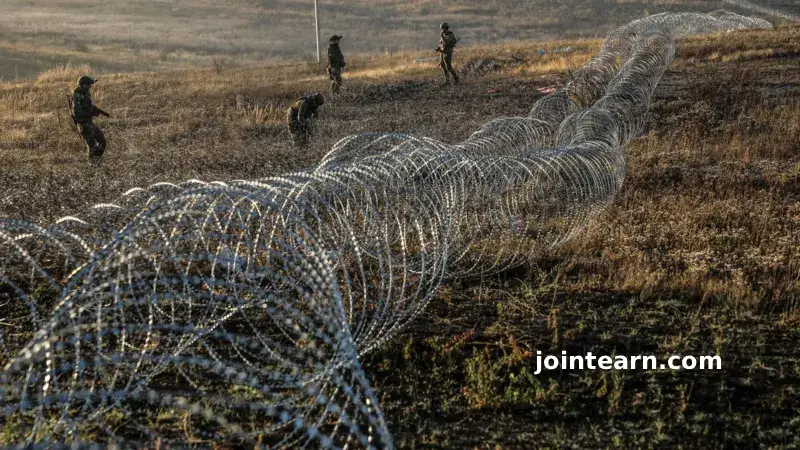
The ongoing war in Ukraine has left a deep scar on the nation, not just through the visible destruction and the tens of thousands of frontline casualties but also in the hidden tragedies that unfold quietly behind the headlines. Among the most overlooked victims are Ukrainian soldiers who have died by suicide. While official records are sparse, families and human rights advocates warn that these deaths are far from isolated.
A Mother’s Pain: Orest’s Story
Kateryna, a grieving mother, struggles to speak about her 25-year-old son, Orest, without tears. According to the army’s official investigation, Orest died by a “self-inflicted wound” in 2023 while serving on the front line in the Donetsk region. Kateryna, however, finds this difficult to believe and has asked that their identities remain protected due to the heavy stigma surrounding suicide and mental health in Ukraine.
Orest was a quiet young man who loved books and aspired to an academic career. Initially deemed unfit for service because of poor eyesight, he was later recruited during a patrol that re-evaluated his vision. Soon after, he was deployed as a communications specialist near Chasiv Yar in Donetsk.
Kateryna recalls that Orest became increasingly withdrawn and depressed after his deployment. She continues to write letters to her son—over 650 so far—her grief compounded by the fact that Ukraine classifies suicide as a non-combat loss. This classification denies families of soldiers who take their own lives any military honors, compensation, or public recognition.
“In Ukraine, it feels like we’ve been divided,” Kateryna says. “Some died the right way, others the wrong way.”
Wives Left Behind: Mariyana’s Experience
Mariyana from Kyiv shares a story that echoes Kateryna’s sorrow. Her husband Anatoliy, initially refused for lack of military experience, persisted until he was accepted. He served as a machine-gunner near Bakhmut, one of the bloodiest battlefields of the war.
After surviving a mission in which around 50 soldiers were killed, Anatoliy returned home physically wounded and emotionally scarred. Following a phone call with his wife, he tragically took his own life in the hospital yard. Because his death was ruled a suicide, he was denied a military burial, leaving Mariyana feeling abandoned by the state.
Her only solace has come from an online community of widows whose husbands died by suicide, a group advocating for equal rights, recognition, and support for families who have lost loved ones in these circumstances.
Viktoria’s Battle for Truth
Viktoria, another widow, experienced a similar loss. Her husband, Andriy, despite a congenital heart condition, joined the army and served in some of the most dangerous missions, including the liberation of Kherson. In June 2023, Andriy took his own life, leaving Viktoria devastated. She faced further trauma when the military initially refused to allow her to see his body.
With the help of a lawyer, Viktoria uncovered inconsistencies in the official investigation. The Ukrainian military has since agreed to reopen the case. “I’m fighting for his name,” she says. “He can’t defend himself anymore. My war isn’t over.”
Community Support and Advocacy
Oksana Borkun, who runs a support network for military widows, now assists around 200 families affected by military suicides. She explains that societal perceptions prevent these soldiers from being honored. “If it’s suicide, then he’s not a hero—that’s what people think,” she says. Many churches refuse funerals, and some towns refuse to display memorial photos.
Military chaplains and veteran advocates note that these deaths reflect systemic failures. Father Borys Kutovyi has witnessed suicides among soldiers and believes that many non-career recruits are particularly vulnerable to psychological trauma.
Olha Reshetylova, Ukraine’s Commissioner for Veterans’ Rights, confirms that up to four military suicides are reported each month and admits that not enough support systems exist. She emphasizes that families deserve transparency, noting that in some cases, suicides may obscure other causes of death.
Breaking the Silence: Reform and Recognition
Experts and advocates stress the urgent need for reforms to address mental health in the Ukrainian military. Reshetylova highlights the long-term efforts to establish a comprehensive military psychology unit. Meanwhile, families and communities are calling for recognition and respect for those who have died by suicide, honoring them as heroes rather than marginalizing their sacrifice.
“The state must acknowledge the hidden suffering of these soldiers,” Reshetylova says. “These were our neighbors, our colleagues. By supporting them and their families properly, we can prevent future tragedies.”
As Ukraine continues to fight on the front lines, the silent struggles of soldiers like Orest, Anatoliy, and Andriy remind the nation that war’s toll extends far beyond the battlefield. These stories reveal the urgent need for mental health support, societal awareness, and systemic change to honor all who serve, regardless of how they die.


Leave a Reply