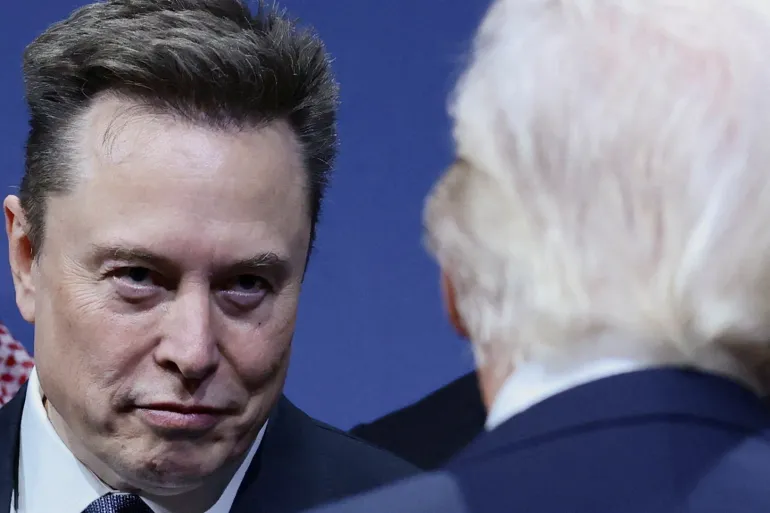
Elon Musk’s historic 2018 Tesla compensation package has been reinstated by the Delaware Supreme Court, overturning a previous ruling that had canceled the $56 billion pay deal. This landmark decision marks a major victory for Musk and underscores the complex legal and corporate governance landscape surrounding executive compensation in the United States.
Delaware Supreme Court Rules in Favor of Musk
In a decisive ruling on December 19, 2025, the Delaware Supreme Court restored Musk’s 2018 Tesla stock option plan. The decision reverses a lower court ruling that had deemed the package “unfathomable,” sparking significant backlash from Musk and criticism of Delaware’s business-friendly legal reputation.
The 2018 compensation package, approved by Tesla shareholders, allowed Musk to acquire approximately 304 million Tesla shares at a heavily discounted price, contingent upon Tesla achieving specific performance milestones. Initially estimated to be worth $56 billion, the rapid rise in Tesla’s stock price had increased the potential value to around $120 billion by early November 2025. These options account for roughly 9% of Tesla’s outstanding shares, highlighting the extraordinary scale of the plan.
Legal Battle and Background
Musk never received the stock options due to a lawsuit filed by investor Richard Tornetta, who held only nine Tesla shares. In 2024, after a five-day trial, Delaware Judge Kathaleen McCormick ruled that Tesla’s board of directors had conflicts of interest and failed to disclose key facts to shareholders, leading to the rescission of the 2018 plan.
Following this decision, Musk publicly criticized Delaware judges as activist and hostile toward tech founders, encouraging businesses to consider reincorporating in states like Texas or Nevada. Some companies, including Dropbox, Roblox, The Trade Desk, and Coinbase, have already moved their legal headquarters to these states. Despite this, Delaware remains the most popular legal home for U.S. public companies due to its well-established corporate law framework.
Implications for Tesla and Musk
The Supreme Court’s ruling ensures that Musk can now claim his 2018 compensation for leading Tesla from a struggling startup to one of the world’s most valuable electric vehicle companies. Tesla’s board has indicated that Musk, also the CEO of SpaceX and AI startup xAI, could potentially leave the company if his compensation demands and voting power are not met.
In November 2025, Tesla shareholders approved a new pay package potentially worth $878 billion, linked to ambitious targets including self-driving vehicle deployment, a robotaxi network, and sales of humanoid robots. To prevent future legal disputes, Tesla has incorporated in Texas, where investors must hold at least 3% of company stock before initiating corporate lawsuits—effectively reducing litigation risks for large-scale executive pay plans.
What This Means for Corporate Governance
Musk’s reinstatement sets a significant precedent for corporate compensation law in the U.S., particularly for tech executives at rapidly growing companies. It emphasizes the importance of shareholder approval, corporate governance, and state-level legal frameworks in determining executive pay.
This case also reignites the debate about mega-compensation packages for CEOs and the role of legal jurisdictions in protecting or challenging such deals. With Musk’s compensation restored, attention now turns to the ambitious 2025 Tesla pay plan and its impact on the broader tech and automotive industries.


Leave a Reply