Officials from Thailand and Cambodia will meet next week to discuss the possibility of reviving a ceasefire as deadly border clashes enter their third week. The renewed fighting this month has killed at least 41 people and displaced nearly one million residents on both sides of the border, according to official reports.
Background: Ceasefire Collapse
Both countries had previously signed a ceasefire in July 2025, brokered by US President Donald Trump. However, hostilities resumed earlier this month, with each side blaming the other for reigniting the conflict. The clashes have included exchanges of artillery fire along the 800-kilometre (500-mile) border and Thai airstrikes targeting Cambodian positions.
Speaking after a regional summit in Malaysia, Thailand’s Foreign Minister Sihasak Phuangketkeow described the July ceasefire as “rushed” due to pressure for it to coincide with Trump’s visit. He emphasized that a sustainable ceasefire must be carefully negotiated and reflect realities on the ground:
“Sometimes we really just need to sit down, trash things out… make sure that the ceasefire reflects the situation on the ground. And the ceasefire is one that really holds.”
Scheduled Border Talks
A meeting between military officials from Thailand and Cambodia is scheduled for December 24, 2025, according to Minister Phuangketkeow. He stressed that this military-level discussion must take place before any formal ceasefire agreement can be finalized. Cambodia has yet to provide an official comment on the upcoming talks.
ASEAN and International Mediation
The Association of Southeast Asian Nations (ASEAN) has played a central role in seeking to halt the violence. During Monday’s ASEAN meeting in Kuala Lumpur, Malaysia’s Foreign Minister Mohamad Hasan urged both sides to treat the situation with urgency, citing its humanitarian and political ramifications:
“We must consider the wider ramifications of the continued escalation of the situation for the people we serve.”
The conflict is considered the worst between ASEAN member states since the bloc’s founding in 1967, representing a significant challenge to ASEAN’s credibility as a regional peace broker.
International actors, including the United States and China, have also been engaged in mediation. China’s special envoy for Asian affairs, Deng Xijun, visited Phnom Penh last week to facilitate dialogue, while Chinese Foreign Ministry spokesperson Lin Jian confirmed Beijing’s ongoing efforts to mediate the dispute.
Historical Context
The Thailand-Cambodia border conflict traces back more than a century, marked by sporadic clashes that have claimed soldiers’ and civilians’ lives. Tensions escalated in May 2025 after a Cambodian soldier was killed, followed by a Cambodian rocket attack on Thailand on July 24, which prompted Thai airstrikes. Five days of intense fighting ensued, resulting in numerous casualties.
The two countries later agreed to an “immediate and unconditional ceasefire,” brokered by Malaysian Prime Minister Anwar Ibrahim and US President Trump. A follow-up agreement, referred to by Trump as the “Kuala Lumpur peace accord,” was signed in October 2025. However, this ceasefire collapsed in December, leading to the current wave of violence.
Humanitarian Impact
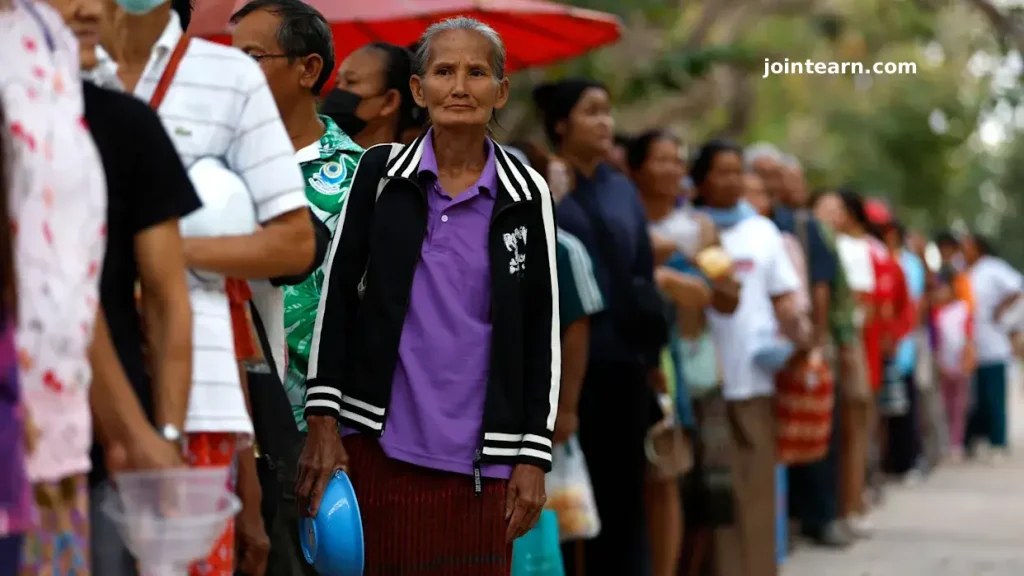
The latest clashes have displaced nearly one million people, forcing villagers on both sides to flee their homes. Civilians have endured artillery fire, airstrikes, and insecurity in the border provinces. The ongoing conflict underscores the urgent need for dialogue, de-escalation, and international mediation to prevent further loss of life and suffering.
Looking Ahead
The December 24 military talks represent a crucial step toward stabilizing the Thailand-Cambodia border. Observers expect discussions to focus on verifying ceasefire commitments, addressing territorial disputes, and exploring long-term measures to prevent further escalation. ASEAN and international stakeholders, including the US and China, are likely to continue supporting mediation efforts to achieve a lasting peace in the region.


Leave a Reply