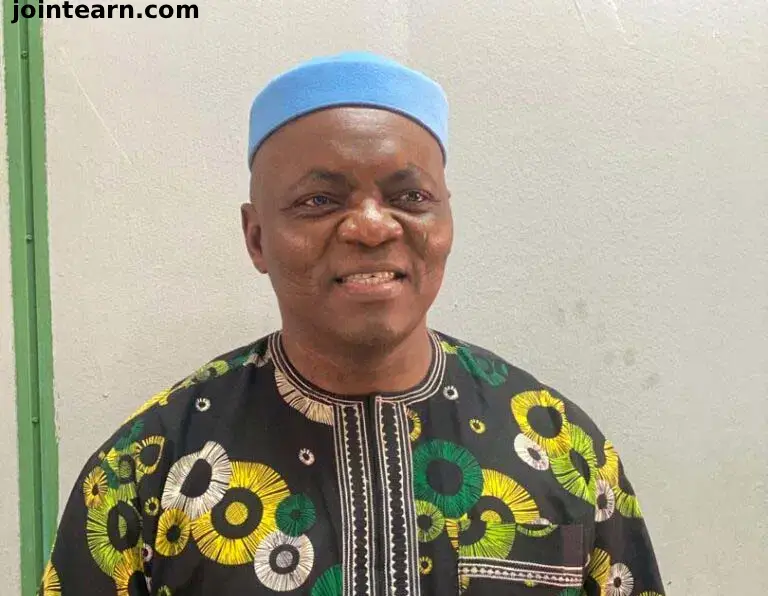
The World Health Organisation (WHO) has appointed Professor Martins Emeje, Director-General of the Nigerian Natural Medicines Development Agency (NNMDA), as a member of its Strategic and Technical Advisory Group on Traditional, Complementary and Integrative Medicine (STAG-TM).
Emeje was appointed alongside 19 other experts from across the world. He was also named Co-Chair of the advisory group during the recently concluded WHO Global Summit on Traditional Medicine, held from December 17 to 19 in New Delhi, India.
The establishment of the advisory group marks a major milestone in the implementation of the WHO Global Traditional Medicine Strategy 2025–2034, which aims to strengthen the safe and effective integration of traditional medicine into global health systems.
Speaking to journalists on Monday in Abuja, Emeje described his appointment as an opportunity to ensure that Nigeria and other African countries align with global standards in the practice, regulation, and development of traditional medicine.
“This appointment is the highest form of honour in this field, and I am grateful to the WHO, my country, and my parents,” he said. “I cannot be part of global discussions on the future of traditional medicine while my country is left behind.”
He noted that Africa has significant potential in natural medicine but has lagged due to limited research, regulation, and investment. According to him, the appointment serves as both recognition and a call to action for the region.
Emeje attributed the recognition to sustained efforts in developing Nigeria’s natural medicine ecosystem, adding that the Federal Government is beginning to give the sector more attention. He referenced the recent House of Representatives resolution urging prioritisation of natural medicine, as well as President Bola Tinubu’s call for African-led research solutions.
He explained that the advisory group was constituted to address the sensitive and complex issues surrounding traditional medicine, including cultural diversity, research standards, regulation, and commercial interests.
“These issues require neutrality, balance, and global collaboration, especially to support underserved populations,” he said. “Our goal is to move traditional medicine to the next level and lay a solid foundation for its global acceptance.”
Emeje was appointed Co-Chair alongside Prof. Susan Wieland, Director of Cochrane Complementary Medicine in the United States. Both were selected based on their long-standing leadership in evidence-based research and natural product development.
He called on African countries to support the group’s work to ensure meaningful progress in the development of traditional medicine across the continent.
Members of the STAG-TM will serve two-year terms and operate through annual meetings and thematic sub-groups focusing on areas such as evidence generation, regulation, integration into health systems, and international collaboration.
The group will advise the WHO on global policy directions and provide technical and scientific support in setting standards and shaping research priorities for traditional, complementary, and integrative medicine worldwide.


Leave a Reply