From Grassroots Pain to Global Advocacy
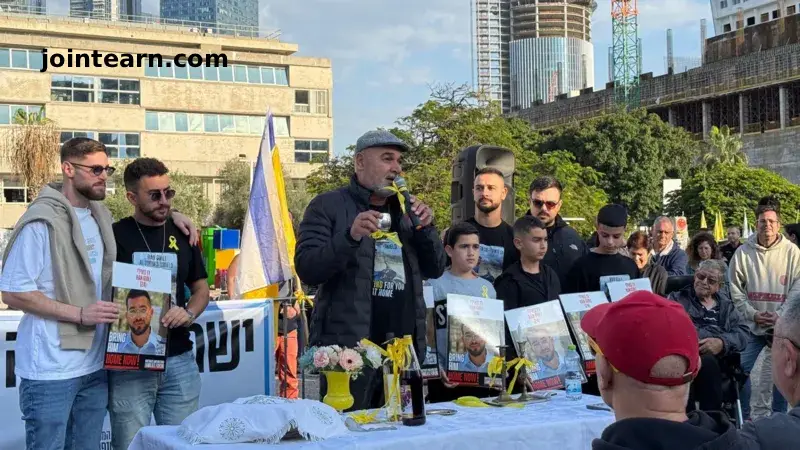
In central Tel Aviv, Hostages Square stands as a powerful symbol of Israel’s ongoing struggle to bring home its citizens abducted during the October 7, 2023 Hamas-led attacks. Over the past two years, the Hostages and Missing Families Forum has transformed from a grassroots network of grieving relatives into a globally recognized advocacy force.
Of the 251 hostages taken by Hamas and other Palestinian groups, 168 have been safely returned, eight were rescued, and tragically, only one deceased hostage, Ran Gvili, remains. Each Friday, the Gvili family and supporters gather in the square, lighting candles and holding prayers, maintaining hope for his return.
“I feel every day is still the 7 October. We didn’t pass the 7 October, but we are strong, and we’re waiting for him,” said Itzik Gvili, Ran’s father.
The Birth of the Hostages Families Forum
Immediately after the devastating attacks that killed over 1,200 Israelis, families of missing loved ones gathered in an underground car park in Tel Aviv, seeking answers. Amid rocket fire from Gaza, they forged a community of solidarity.
Gil Dickmann, cousin of kidnapped Carmel Gat, recalls:
“We were together, shocked… and it fell on me that this is actually real, that now we are going to face this unbelievable challenge… And the second thing is that we’re going to do this together. I’m not going to stand alone.”
The Forum’s slogan, “Bring them home now”, provided families with a sense of agency and control in a time of chaos. With thousands of volunteers, including former diplomats, lawyers, and security officials, the Forum became a hub of advocacy, lobbying, and family support.
Mobilizing Public Support and International Attention
Beyond providing emotional support, the Forum engaged in nationwide and international campaigning. Demonstrations, concerts, art installations, and media outreach helped keep the hostage crisis at the forefront of public and diplomatic attention.
“This place became like a foreign ministry for the country, for the families of 250 people,” said Tal Schneider, political correspondent at the Times of Israel.
The Forum’s efforts were instrumental in shaping public opinion, even as polls showed growing Israeli focus on military action over hostage negotiations in early 2024. Political strategist Lior Chorev was brought in to manage campaigns aimed at influencing both domestic and international stakeholders.
Hostage Exchanges and Ceasefire Negotiations
In November 2023, a Qatar-mediated truce allowed the return of many women and children hostages in exchange for over 240 Palestinian prisoners. Despite this, fighting resumed shortly thereafter, leaving approximately half of the hostages still in Gaza.
Throughout 2024, the Forum worked tirelessly to maintain public attention and international pressure, including trips to Washington to lobby U.S. leadership. Michael Levy, whose brother Or was taken hostage, noted:
“The only thing that helped me was becoming active… You need to stay optimistic all the time.”
By January 2025, a new ceasefire deal brokered by U.S. officials, backed by Arab allies, returned 33 hostages—eight deceased—and involved nearly 2,000 Palestinian prisoners.
Continued Advocacy Amid Tragedy
Even after hostages were released, the Forum’s work continued. Former hostages, often frail and traumatized, traveled to the White House to urge U.S. intervention for those still captive.
“I got my brother back, but I couldn’t just stop,” said Michael Levy. “I almost felt I knew all the other hostages… that every hostage still there was part of my family.”
The Forum also provided support for families of those who had been killed, such as Carmel Gat, maintaining solidarity and keeping public attention on the humanitarian dimension of the crisis.
Symbolism, Solidarity, and Lasting Impact
Hostages Square, with its symbolic tunnel, large “Hope” sign, and countdown board, has become a site of collective memory and ongoing advocacy. Volunteers continue weekly vigils, supporting the remaining family of Ran Gvili.
“We have been here in the rain and in nearly 50-degree [Celsius] heat, from winter to summer… I will stay until the last one,” says Tali, a long-term volunteer.
The Forum’s work exemplifies civil society’s power in shaping international diplomacy, demonstrating how grassroots mobilization can influence negotiations and ensure that humanitarian concerns remain central during complex conflicts.
Conclusion: A Legacy of Resilience
The Hostages and Missing Families Forum has redefined advocacy in Israel and beyond, turning immense personal loss into organized, international action. Through persistence, public engagement, and strategic lobbying, it has ensured that the plight of Israeli hostages remains visible, and that promises of return are honored.
Even as Gaza continues to suffer the aftermath of the war, the Forum’s message of endurance, solidarity, and accountability offers a model for how families and civil society can impact global humanitarian and political outcomes.


Leave a Reply